Israel Votes as Netanyahu and Rivals Clash Over National Identity
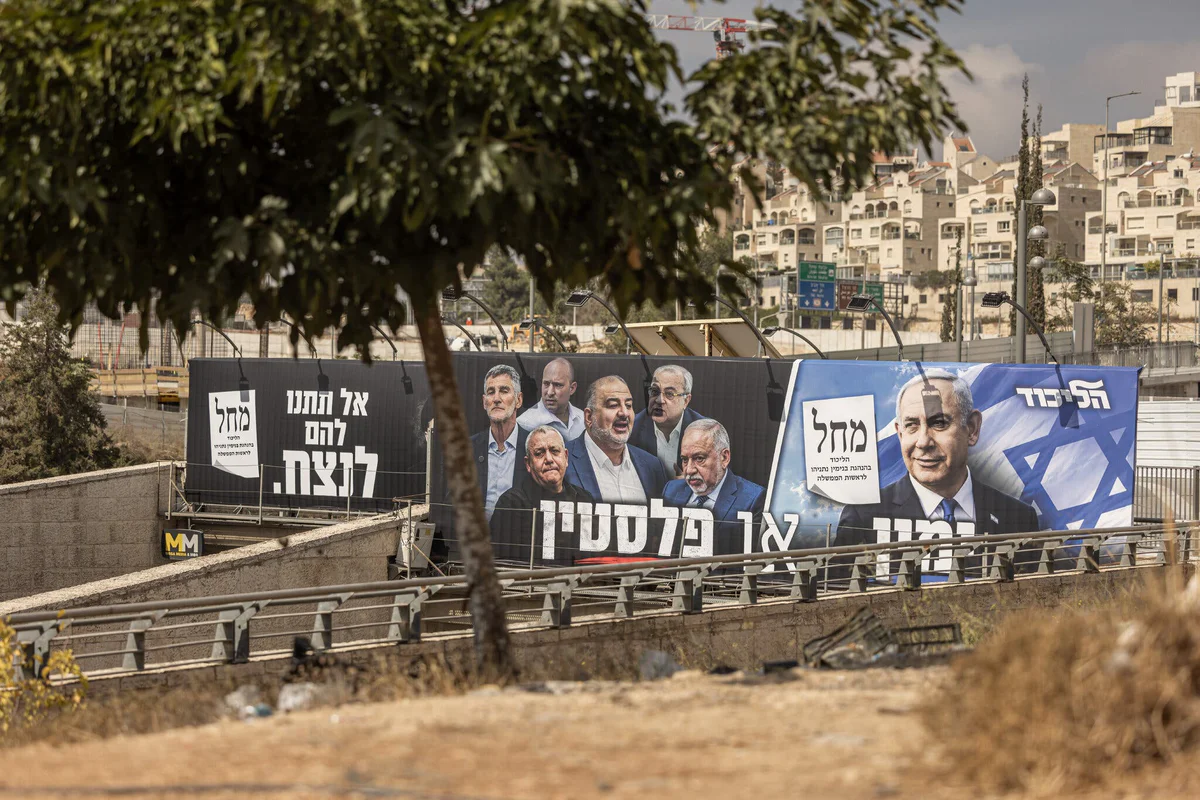
Israelis voted on 27 October 2026 in a parliamentary election that could determine whether Prime Minister Benjamin Netanyahu remains in power, with his nationalist coalition facing a centrist challenge led by former military chief Gadi Eisenkot after three years of regional conflict.
According to AFP, the election is Israel’s first since the Hamas attack of 7 October 2023. The campaign has exposed deep divisions over national security, religious nationalism and the direction of Israeli democracy.
Netanyahu’s Coalition Defends Nationalist Policies
Netanyahu’s Likud party leads a right-wing alliance that includes religious nationalist figures Bezalel Smotrich and Itamar Ben-Gvir. Its political priorities include maintaining military deterrence, expanding Jewish settlements in the occupied West Bank and opposing Palestinian statehood.
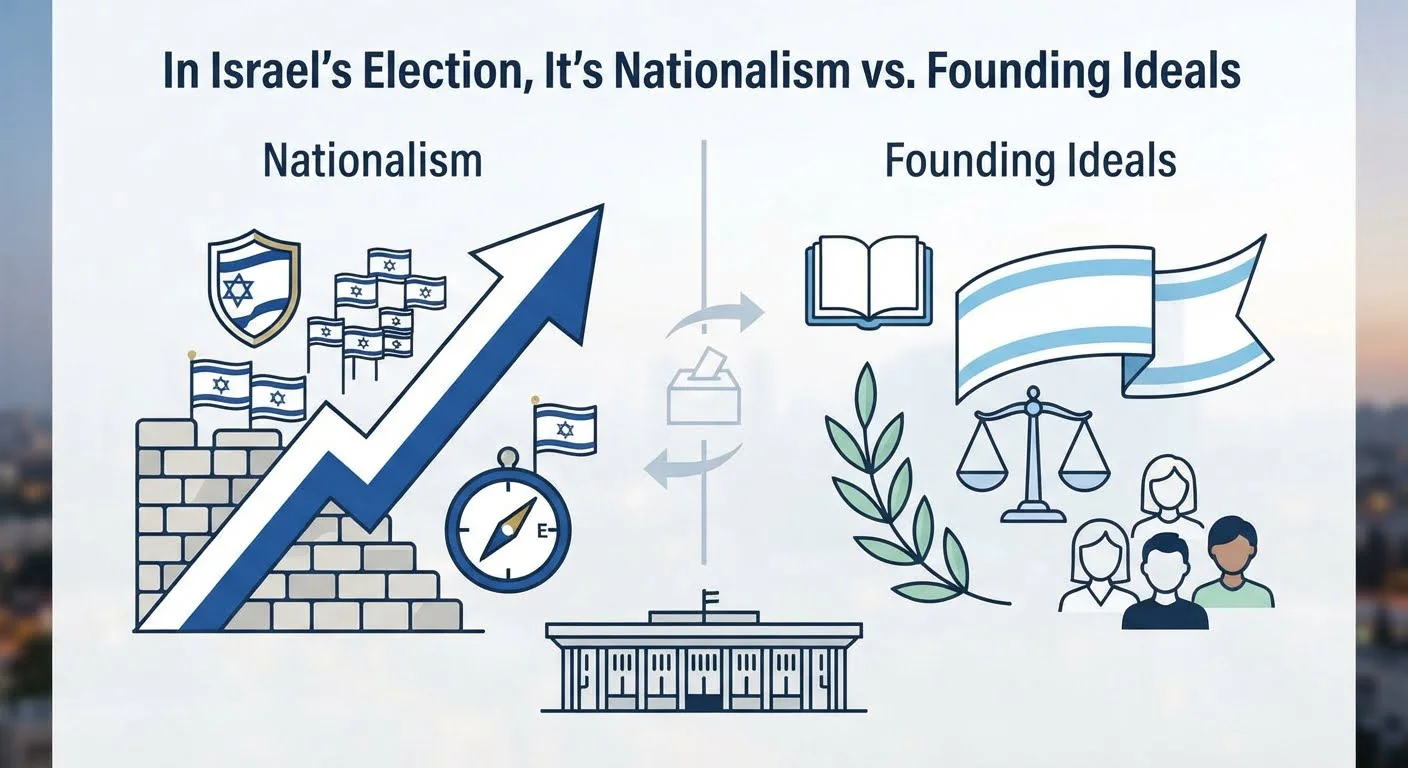
The governing bloc’s approach has also intensified debate over the relationship between Jewish national identity and democratic institutions. Judicial independence, religious authority and military conscription remain central political disputes.
Opposition Campaign Invokes Israel’s Founding Principles
Gadi Eisenkot, who leads the centrist Yashar party, has emerged as a major challenger. Former prime ministers Naftali Bennett and Yair Lapid represent separate opposition forces seeking political change.
The dispute has renewed attention on Israel’s 1948 Declaration of Independence, which promises “complete equality of social and political rights to all its inhabitants, irrespective of religion, race or sex”, according to the historical text.
Opposition proposals concerning judicial independence and ultra-Orthodox military exemptions reflect broader disagreements over how the state should balance religious commitments, individual rights and shared civic responsibilities.
Coalition Negotiations Could Decide the Outcome
According to Reuters, parties must secure at least 3.25% of valid votes to enter the 120-seat Knesset. A governing majority requires 61 seats.
The Associated Press reported that smaller parties could become decisive if neither major political bloc secures a majority.
Polling stations close at 10 p.m. local time, followed by television exit polls. The final count is expected by 30 October, with official results scheduled for 4 November.
President Isaac Herzog will then consult party leaders before selecting a candidate to form a government. That candidate can receive up to 42 days to assemble a coalition, making negotiations potentially as important as the election-night results.