President Lee Attends Cabinet Meeting Amid Agency Independence Row
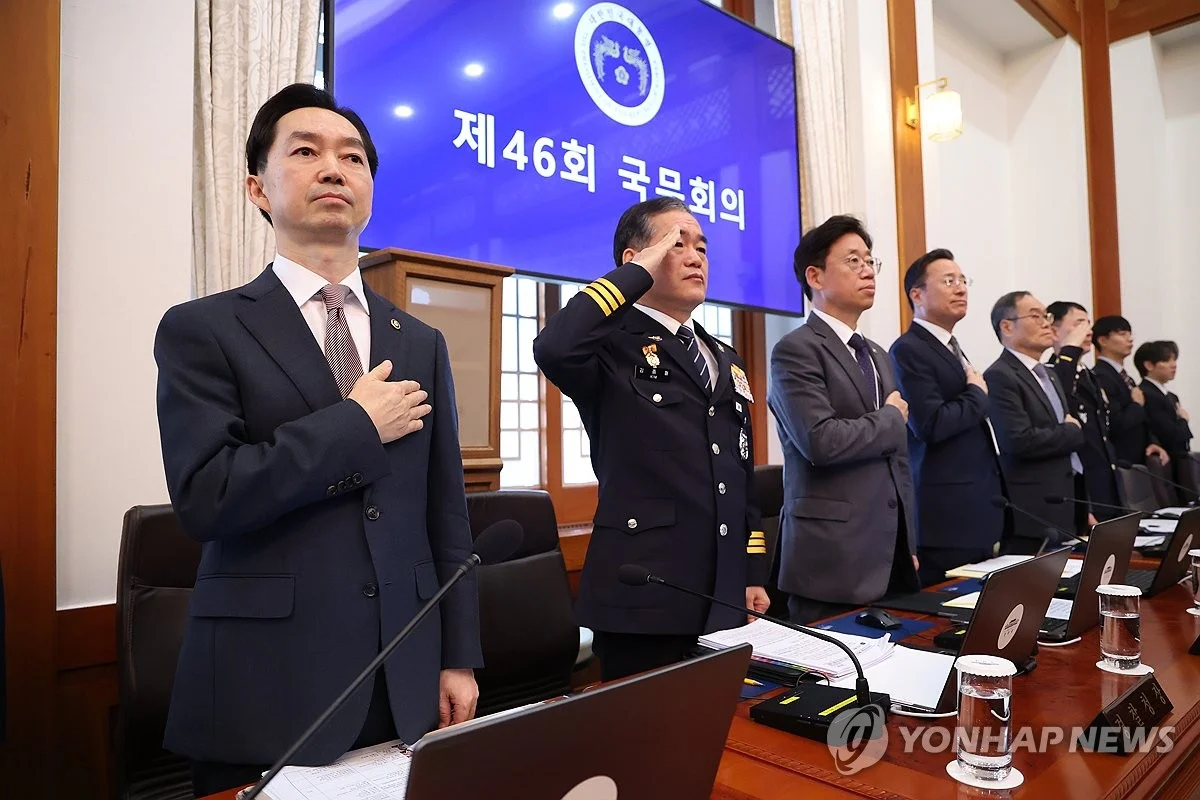
SEOUL, South Korea, October 27, 2026: President Lee Jae-myung attended a Cabinet meeting at Cheong Wa Dae in Seoul on Tuesday as controversy continued over the participation of investigative agency chiefs in government meetings and its possible effect on political neutrality.
The meeting followed a dispute involving Kim Ji-yong, head of South Korea’s Serious Crime Investigation Agency (SCIA), who first attended a Cabinet meeting on October 20 after taking office. His attendance prompted criticism from opposition politicians and civic groups concerned about investigative independence.
Why Investigative Agency Chiefs Are Attending Cabinet Meetings
Kim Ji-yong, head of the Serious Crime Investigation Agency, and Kim Jong-chul, acting commissioner general of the National Police Agency, attended the earlier Cabinet meeting, according to Yonhap News Agency.
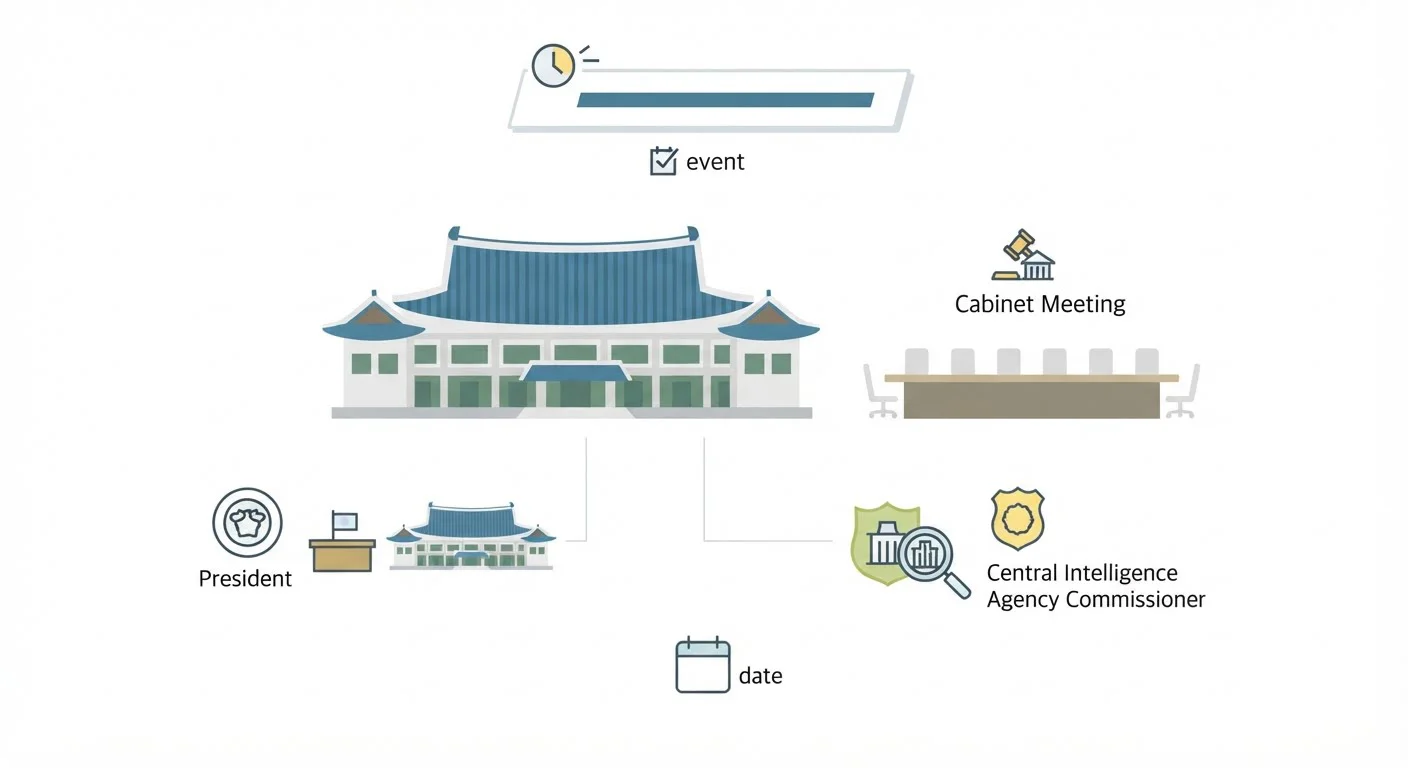
Their participation marked a departure from the longstanding practice of keeping investigative agency chiefs outside regular Cabinet discussions. Critics argue that frequent meetings with the president could create doubts about the impartiality of investigations involving government officials.
Lee has maintained that agency chiefs should participate in government policy discussions, while arguing that Cabinet meetings must not interfere with individual criminal investigations. He has described administrative supervision as part of the president’s responsibilities under South Korean law.
The controversy comes as the newly established Serious Crime Investigation Agency assumes responsibilities within South Korea’s restructured criminal justice system, which separates investigative and prosecutorial functions.
Lee Says Cabinet Attendance Does Not Mean Interference
President Lee defended his authority to supervise government agencies in social media statements on October 21, arguing that investigative bodies should not be treated differently from other administrative organisations.
In one statement, reported by SBS News, Lee said:
“You do not need to worry, as I will not direct investigations into specific cases.”
His argument rests partly on Article 11 of the Government Organization Act, which establishes the president’s authority to direct and supervise central administrative agencies in accordance with the law.
The administration reinforced that position on October 22, when senior presidential secretary Seong Ghi-hong addressed concerns about whether Cabinet discussions could influence prosecutors and investigators.
“The government is strenuously working toward maintaining fairness and political neutrality in investigations and independence in indictments. This principle will remain unwavering going forward,” Seong told reporters.
He also said Cabinet meetings would not discuss individual investigations or instructions concerning indictments. The presidential office described the meetings as opportunities for government agencies to exchange information and coordinate administrative priorities.
Opposition Challenges Lee’s Use of Gemini
The disagreement expanded on October 21 when Lee shared responses from Google’s Gemini artificial intelligence chatbot to support his argument that investigative agency chiefs should be permitted to attend Cabinet meetings.
The president posted the responses on X under the heading “I asked Gemini”, citing constitutional provisions and the Government Organization Act to defend his position on administrative oversight.
The opposition People Power Party challenged the use of AI-generated legal interpretations in a dispute concerning investigative independence.
On October 22, party Supreme Council member Kim Jae-won played a recorded conversation with Gemini during a party meeting, presenting responses that raised concerns about the appearance of political interference.
The exchange illustrated a limitation of using generative AI to settle constitutional disagreements: responses can differ depending on the questions and context provided. The chatbot’s conclusions do not constitute an authoritative legal ruling.
Why Investigative Independence Is at the Centre of the Dispute
The central question is whether regular Cabinet attendance allows the government to coordinate policy without creating pressure on agencies responsible for investigating potential wrongdoing by public officials.
Critics say regular presidential meetings could create an appearance of political influence even without direct instructions about specific criminal cases. The concern is particularly relevant when investigations involve the administration or the ruling party.
Lee’s position distinguishes general administrative oversight from interference in individual investigations. His administration argues that agency chiefs can participate in government discussions without compromising their operational independence.
The disagreement also reflects changes to South Korea’s prosecution system. The new investigative agency forms part of reforms intended to separate the responsibilities of investigating serious crimes and prosecuting criminal cases.
Those changes have made the relationship between the presidency and investigative bodies a subject of political scrutiny.
The administration’s stated commitment to excluding individual criminal cases from Cabinet discussions remains central to its response to criticism. Whether regular attendance can preserve that separation is the issue raised by opposition politicians and civic groups as Lee continues his Cabinet meetings.