Meloni Weighs Snap Italian Election Amid Falling Ratings and Budget Fears
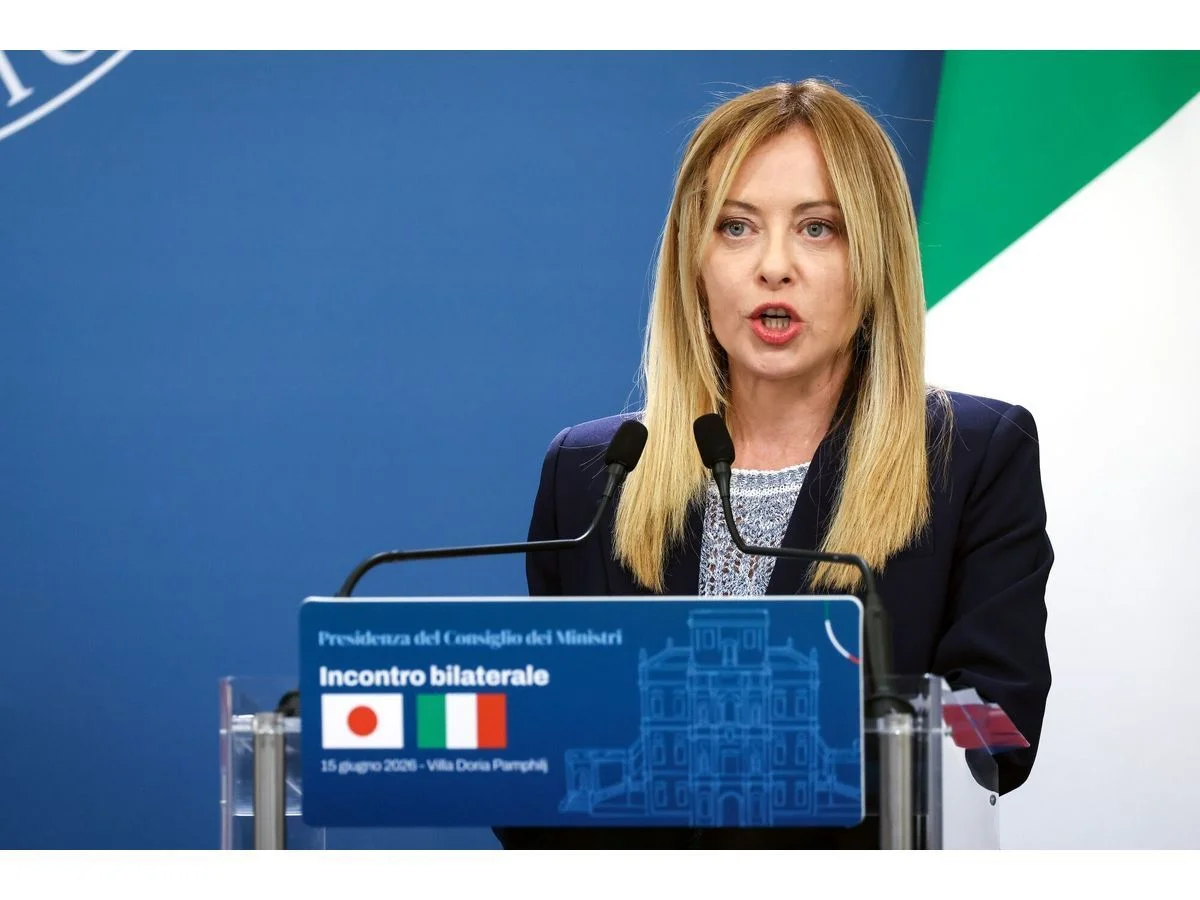
Italian Prime Minister Giorgia Meloni is exploring an early national vote for April, bypassing the standard 2027 timeline. Meloni aims to secure her mandate before legislative challenges and dipping popularity stall her administration.
Key Highlights
- Early Vote Consideration: Prime Minister Meloni has discussed a potential April snap election with President Sergio Mattarella.
- Sinking Popularity Risks: Fears of a polling decline and year-end budget complications drive the push for an early vote.
- Coalition Friction: A failed justice reform referendum in March energized rival right-wing factions.
- Economic Pressures: Rising deficits above the 3% EU cap limit domestic spending programs.
Italian Prime Minister Giorgia Meloni is contemplating a snap legislative election as early as next April, moving well ahead of the official expiration of the parliamentary term in 2027, according to individuals close to the discussions.
Meloni is concerned that her current public approval could deteriorate if she delays the vote. Informants speaking anonymously stated that she also fears a late-year election would disrupt the incoming administration’s ability to pass the national financial budget before the absolute December deadline.
The prime minister has introduced this strategy as one of multiple potential paths during discussions with President Sergio Mattarella. The head of state holds the sole constitutional authority to dissolve parliament and schedule new national elections.
Official representatives for both the prime minister and the president declined to issue statements regarding the private deliberations.
Meloni has faced intensifying political blowback since March, when a defeated referendum on judicial changes forced the resignation of three administration officials. Following that setback, the right-wing National Future party has gathered momentum in public polling while critiquing the premier for shifting too close to the political center.
National Future emerged as the sole political faction demonstrating growth in the latest Agi/Youtrend consolidated polling data. Concurrently, the center-left opposition bloc managed to edge out Meloni’s center-right alliance, leading 44.6% to 43.8% in voter intentions.
The prime minister is also navigating the fallout from a sharp diplomatic dispute with US President Donald Trump during a recent Group of Seven summit. While the confrontation could rally domestic supporters, her delicate foreign policy approach since Trump re-entered office last year has proven problematic domestically and globally.
Geopolitical conflict in Iran and American-led international trade disputes have pressured the Italian economy, which ranks as the third-largest in the Eurozone. The country’s 2025 fiscal deficit outpaced internal targets, breaching the 3% economic ceiling set by the European Union and forcing planners to downgrade GDP expansion targets. Total sovereign debt remains entrenched beyond 130% of gross domestic product.
These fiscal constraints leave less funding available for popular initiatives designed to satisfy Meloni’s core electorate, such as sustained tax reductions and energy subsidies for struggling households. The prime minister has kept public accounts mostly aligned with targets so far, but maintaining this balance is becoming increasingly complex.
Furthermore, the Italian legislature is scheduled to open debates on a comprehensive overhaul of national voting laws as early as this week. The revised framework would transition the state to a strict proportional representation model, granting a sweeping seat bonus to any coalition that clears the 42% popular vote threshold.
Barring a sudden collapse, Meloni’s administration is on track to achieve historical status later this summer as the longest-running Italian government since the conclusion of World War II.
Economic Indicators and Polling Data
| Indicator / Metric | Value / Proportion | Impact Context |
|---|---|---|
| National Debt Status | Exceeds 130% of GDP | Restricts government spending flexibility |
| 2025 Deficit Level | Greater than 3% EU limit | Triggers European Union fiscal scrutiny |
| Center-Left Coalition Polls | 44.6% | Holds narrow lead over ruling bloc |
| Center-Right Alliance Polls | 43.8% | Reflects narrowing support for Meloni |
Future Outlook
The political trajectory of Italy depends heavily on the upcoming parliamentary debate regarding proportional representation. If the 42% bonus seat threshold passes, it will fundamentally alter campaign strategies for both Meloni’s center-right coalition and the rising National Future faction. Financial analysts warn that if a snap election is called for April, the compressed timeline could trigger short-term volatility in Italian bonds as markets assess the next government’s ability to manage the country’s 130% debt-to-GDP load under strict EU deficit rules.
FAQs
Why is Giorgia Meloni considering an early election in Italy?
Prime Minister Meloni is concerned that her popular approval ratings may decline over the coming year. Additionally, she wants to avoid a late-year election that would leave a new government with insufficient time to draft and approve the national budget before the end of the year.
What is the current economic situation affecting Italy’s budget?
Italy is dealing with a 2025 fiscal deficit that exceeded European Union limits of 3% of GDP, alongside a total national debt that remains above 130% of economic output. This financial pressure limits the government’s ability to fund public programs like tax cuts and energy assistance.
How would the proposed electoral reform change Italian voting?
The draft legislation moving to parliament would establish a purely proportional voting system. Crucially, it introduces a mechanism that awards a significant majority bonus of parliamentary seats to any political coalition that secures more than 42% of the total vote.