Pranab Mukherjee Diaries Reveal PM Modi Read Pulse Like Indira Gandhi
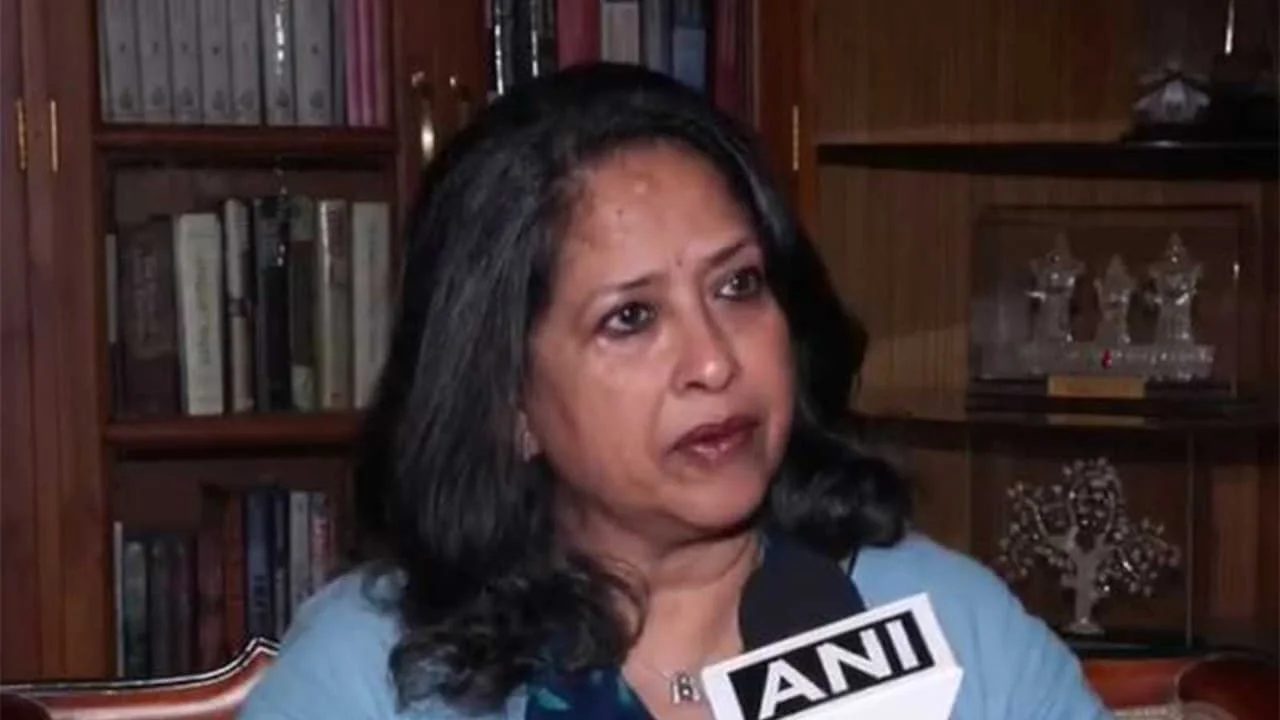
Sharmistha Mukherjee, daughter of former Indian President Pranab Mukherjee, revealed key observations from her father’s personal journals on Saturday. The diaries state that Prime Minister Narendra Modi possesses an exceptional capacity to gauge public sentiment, a political trait previously matched only by former Prime Minister Indira Gandhi.
Key Highlights
- Former President Pranab Mukherjee wrote that PM Modi and Indira Gandhi uniquely understood the public pulse.
- The insight was recorded after PM Modi’s swift and empathetic response during the 2014 Jammu and Kashmir floods.
- Pranab Mukherjee defended his 2018 RSS headquarters visit, emphasizing that public mandates grant institutional legitimacy.
- The late leader advocated for parliamentary cooperation, urging opposition forces to avoid continuous legislative obstructions.
Sharmistha Mukherjee, an author and former politician, disclosed multiple records from her father’s private journals detailing his interactions with Prime Minister Narendra Modi. The writings underscore the former president’s assessment that PM Modi holds a rare capability to comprehend national sentiment, drawing comparisons to Indira Gandhi.
The author explained that this specific diary entry was written following a devastating natural disaster in Jammu and Kashmir. Prime Minister Modi traveled to the region to observe Diwali alongside the affected citizens and military personnel stationed at Siachen. Furthermore, the late president highly valued how rapidly the prime minister mastered intricate global diplomatic dynamics.
On Pranab’s 2018 RSS Headquarters Visit
Reflecting on the controversial 2018 event at the Rashtriya Swayamsevak Sangh platform in Nagpur, Sharmistha Mukherjee stated her father viewed open discourse as fundamental to democratic systems. She noted that the statesman firmly dismissed allegations that his presence validated or elevated the organization inappropriately.
The author recalled her personal objections during her active tenure in Congress politics, expressing deep discontent directly to her father. She argued that the visit provided unearned validation to the organization. In response, the former president noted that the electorate had already validated the movement by democratically electing its member.
‘An Excellent Rapport’ With PM Modi
Sharmistha Mukherjee highlighted the deep mutual respect between the two leaders, which commenced long before the prime minister assumed leadership in Gujarat. The prime minister previously conveyed to her that their foundational connection developed during his early years working within national political networks.
The prime minister recalled routinely encountering the senior statesman during morning walks in New Delhi while working as an organizational representative. He noted a spontaneous sense of reverence that prompted him to greet the veteran leader traditionally. These interactions established a lasting foundation of mutual esteem.
The former president noted in his personal logs that the Gujarat leader maintained a distinctive deferential attitude during official meetings at the Rashtrapati Bhavan. Despite being a fierce opponent of the United coalition government, the prime minister consistently maintained a respectful, warm, and deeply traditional approach during private state audiences.
‘Consensus Generator’ on Parliament Functioning
The senior statesman earned a reputation for bridging deep ideological divides, maintaining constructive communications with diverse political factions, including left-wing and right-wing leadership. He consistently maintained that the systematic disruption of legislative assemblies fundamentally weakened democratic institutions.
The late leader previously counseled senior party executives against deploying continuous obstructive tactics during prior administrations. He emphasized that legislative debates must persist uninterrupted. The author concluded that contemporary political organizations share a collective obligation to discover middle ground to serve the broader national interest.
Historical Context
The relationship between a president and a prime minister from opposing ideological backgrounds remains a defining element of Indian constitutional history. Pranab Mukherjee, a lifelong Congress stalwart, assumed the presidency in 2012 under the UPA government. When Narendra Modi secured a decisive mandate in 2014, political analysts anticipated institutional friction.
Instead, the period between 2014 and 2017 demonstrated a highly functional model of cohabitation. The governance model relied on absolute constitutional propriety and mutual administrative respect. Mukherjee’s diaries offer a rare, institutional look into how statecraft transcended partisan divides during major national transitions.
FAQs
What did Pranab Mukherjee write about PM Modi’s political capabilities?
Pranab Mukherjee noted in his diaries that Prime Minister Narendra Modi possessed a rare ability to read the public pulse accurately, comparing this specific capability to the political instinct demonstrated by former Prime Minister Indira Gandhi.
Why did Pranab Mukherjee visit the RSS headquarters in 2018?
The former president believed that continuous dialogue is the core foundation of a healthy democracy. He argued that engaging with different organizations did not confer legitimacy, as the Indian electorate had already provided validation through democratic mandates.
How did the relationship between Pranab Mukherjee and PM Modi begin?
Their rapport developed in New Delhi well before PM Modi became the Chief Minister of Gujarat. The two leaders occasionally met during morning walks while PM Modi was working as an ordinary organizational worker, establishing a foundation of mutual respect.