Indian Parliament Panel Evaluates Make In India Program
The Parliamentary Standing Committee on Communications and Information Technology has convened to analyze strategies for advancing the central government’s flagship manufacturing program. The legislative panel scrutinized domestic employment expansion and methods to enhance economic penetration into international markets.
Key Highlights
- The parliamentary panel reviewed strategies to advance the domestic manufacturing initiative.
- Officials defended the 2015 decision to opt out of the Information Technology Agreement-2.
- Recent panel sessions also audited Prasar Bharati operations and telecom service quality.
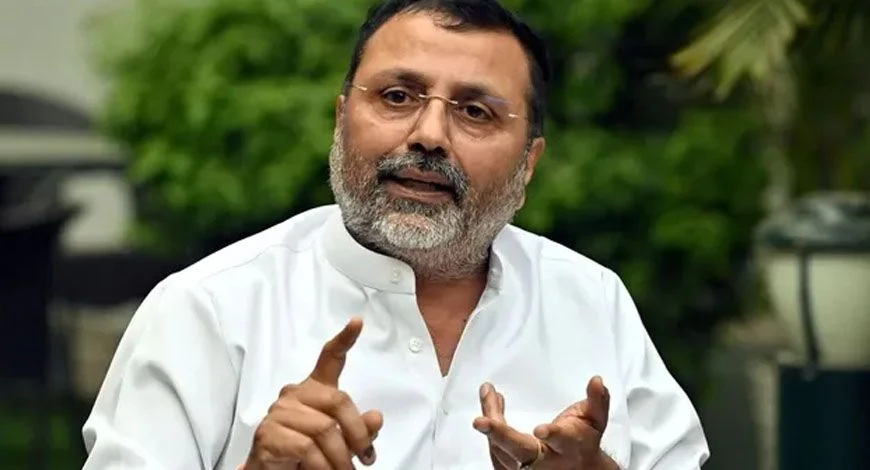
The legislative committee evaluated methods to accelerate the domestic manufacturing initiative. Panel chairperson Nishikant Dubey noted that discussions centered heavily on expanding employment opportunities and securement of global market share. Dubey lauded the administration for refusing to sign the Information Technology Agreement-2 in 2015, asserting the decision safeguarded national economic priorities.
The central manufacturing program, introduced on September 25, 2014, operates to incentivize inbound investments, stimulate domestic innovation, and transform the nation into an international manufacturing hub.
Prior to this session, on June 17, representatives from the Ministry of Information and Broadcasting briefed the parliamentary panel regarding operational reviews of the Prasar Bharati Organisation.
During the preceding month, the committee obtained regulatory updates from both the Department of Telecommunications and the Telecom Regulatory Authority of India. Those previous briefings centered on consumer protection protocols, quality of service benchmarks, and net neutrality regulations within the domestic telecom marketplace.
History of Make in India
The central government launched the domestic manufacturing drive in 2014 to elevate the industrial sector’s contribution to the national gross domestic product. By declining to sign the international ITA-2 framework in 2015, the administration aimed to protect local electronic manufacturers from zero-tariff import competitions, establishing a foundation for the regulatory updates reviewed by the panel today.
FAQs
What did the Parliamentary Standing Committee discuss regarding the manufacturing initiative?
The committee examined strategies to progress the domestic manufacturing drive, focusing heavily on generating local employment opportunities and expanding access to international industrial marketplaces.
Why did India choose not to sign the Information Technology Agreement-2?
According to committee chairperson Nishikant Dubey, the government declined to sign the agreement in 2015 to protect domestic industrial interests and support local manufacturing growth.
What other sectors has the communications and IT panel reviewed recently?
The panel recently evaluated the operational functioning of the Prasar Bharati Organisation, checked net neutrality compliance, and reviewed consumer protection and quality of service standards alongside telecom regulators.