Clocks Fall Back Sunday: Safety Checks for Darker Evenings
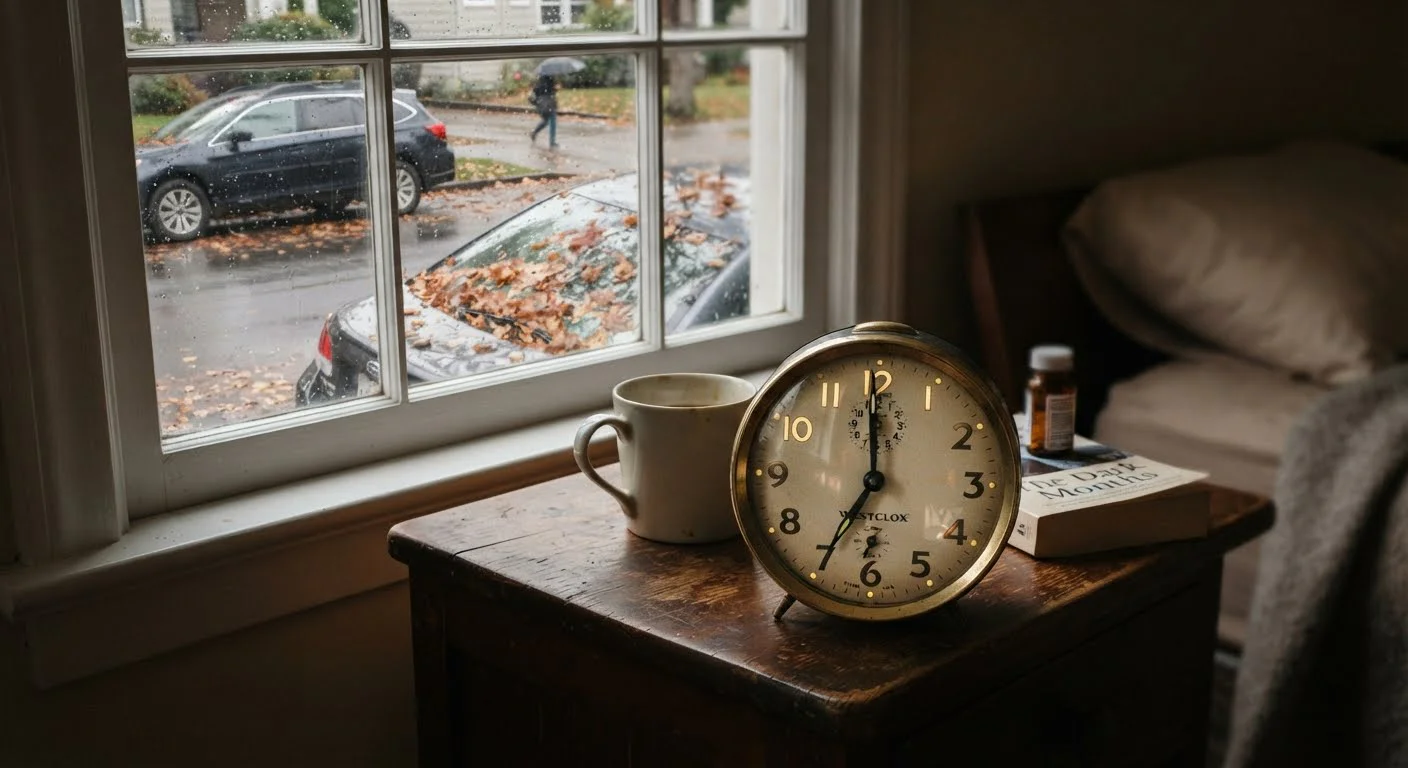
Daylight saving time ends at 2 a.m. local time on Sunday, 1 November 2026, across most of the United States, moving clocks back one hour and bringing earlier evening darkness. Hawaii and most of Arizona do not observe the change.
The transition provides an additional hour overnight and shifts sunrise and sunset approximately one hour earlier by the clock. Standard time remains in effect until 14 March 2027, when daylight saving time resumes in participating areas.
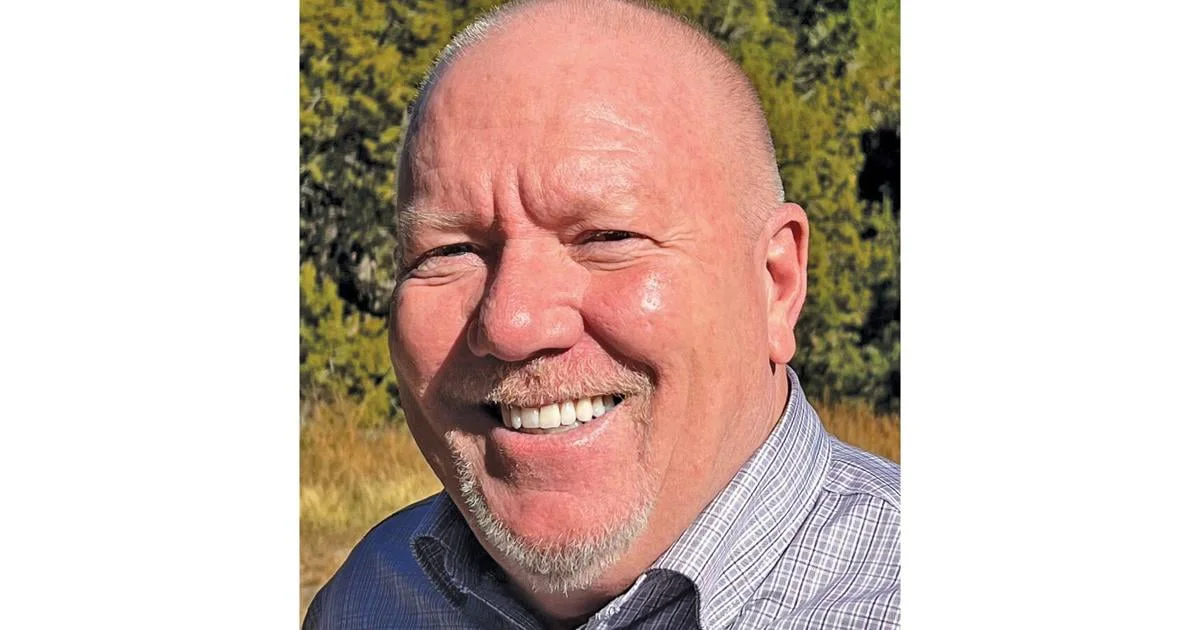
The seasonal adjustment also creates an opportunity to check household safety equipment and prepare vehicles for darker evening journeys. Allen McQuiston of the Jemez Insurance Agency, writing for the Los Alamos Daily Post, outlined practical steps residents can take before winter conditions become more demanding.
Key Takeaways
- Clocks move back from 2 a.m. to 1 a.m. in participating US states.
- Check smoke and carbon monoxide alarms, including batteries and manufacturing dates.
- Inspect headlights, brake lights, indicators, windscreen wipers and washer fluid.
- Watch for pedestrians and wildlife during darker evening journeys.
- Parts of the Delmarva Peninsula could experience frost as November begins.
Why the Clock Change Matters
The shift affects the relationship between daylight and daily routines rather than changing the amount of sunlight available. Morning light arrives earlier by the clock, while commuters, pedestrians and drivers encounter darkness sooner in the evening.
According to the National Institute of Standards and Technology, the 2026 daylight saving period began on 8 March. The national schedule follows federal rules, with the US Department of Transportation responsible for daylight saving time and time-zone regulation.
The Transportation Department explains that states may exempt themselves from seasonal clock changes. The Navajo Nation in Arizona observes daylight saving time, despite the exemption covering most of that state.
Many mobile phones and computers update automatically, but manually operated clocks may require adjustment. Checking household clocks, vehicle displays and appliances helps prevent confusion over appointments and departure times.
Smoke and Carbon Monoxide Alarm Checks
McQuiston’s safety guidance places particular emphasis on smoke and carbon monoxide alarms as homes move towards greater use of heating equipment.
Residents should press the test button on each alarm, replace depleted batteries where applicable and confirm that working devices are installed on every level of the home and near sleeping areas.
The manufacturing date also deserves attention. Standard smoke alarms generally require replacement after approximately ten years, even when their test buttons continue to produce a sound.
A successful test does not establish that an ageing detector should remain in service indefinitely.
Carbon monoxide protection becomes especially relevant when households operate furnaces, wood stoves and fireplaces. Checking alarm placement and condition before relying heavily on heating equipment is a practical precaution during colder months.
Alarm tests should be supplemented by checking manufacturers’ replacement instructions and the condition of each device.
Vehicle Maintenance Before Darker Journeys
Motorists can use the transition to inspect their headlights, brake lights and indicators, particularly where vehicles will be driven during evening hours.
McQuiston recommends walking around a vehicle with its lighting systems activated to identify failed bulbs. Any defective lights should be replaced before regular night-time driving.
Headlight condition is another concern. Cloudy or yellowed lenses can reduce the effectiveness of illumination, making it harder to see hazards ahead.
Lens restoration may improve visibility where deterioration is present.
Windscreen maintenance also matters. Wiper blades that streak or chatter should be replaced, particularly before wet or freezing conditions become more frequent.
Washer reservoirs should contain fluid suitable for expected temperatures.
Cleaning the inside of the windscreen can reduce glare from approaching headlights. Dirt and film on the glass can interfere with visibility, especially when combined with rain, reflections and darkness.
Pedestrians, Wildlife and Driver Alertness
The earlier evening darkness changes the conditions motorists encounter on familiar routes. Pedestrian crossings and residential streets deserve additional attention, particularly where walkers, joggers or children may be difficult to distinguish from their surroundings.
Drivers should leave adequate following distances, reduce speed where visibility is limited and switch on headlights before fading daylight makes hazards difficult to recognise.
Rural roads present a separate concern. Deer and elk may be active around dawn and twilight, making careful observation important where wildlife can enter the carriageway.
Drivers experiencing fatigue after the clock change should avoid driving until sufficiently alert.
Frost Concerns Across the Delmarva Peninsula
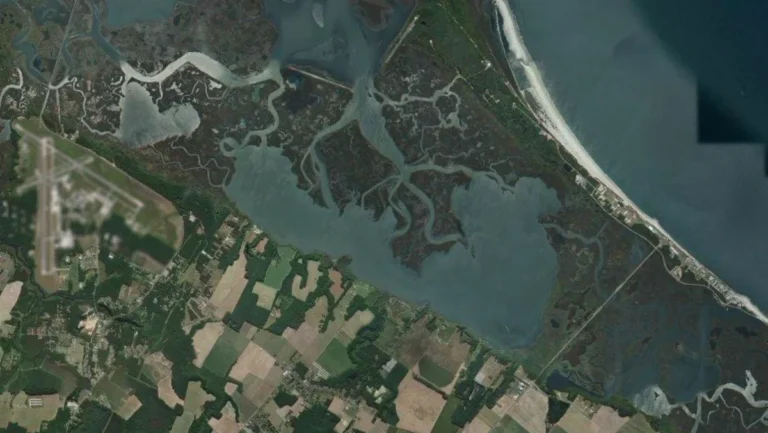
The clock change also coincides with colder conditions in parts of the East Coast. CoastTV meteorologist Bob Trihy highlighted the possibility of temperatures in the 30s across inland areas of the Delmarva Peninsula as November begins.
Coastal communities were expected to remain somewhat milder, with temperatures around the 40s. The distinction matters for residents monitoring outdoor plants and areas susceptible to frost.
The regional forecast also described a cool Sunday, with highs in the lower to mid-60s, followed by a potential warming trend early in the week. Daytime temperatures could climb into the upper 60s and low 70s on Monday and Tuesday, with the mid-70s possible by Wednesday.
Those changes reflect local weather conditions rather than any direct effect of resetting clocks. The daylight saving transition occurs independently of temperature, rainfall and other atmospheric conditions.
Residents concerned about frost can monitor updated forecasts before deciding whether outdoor plants require protection. Conditions may differ between inland and coastal locations, particularly where overnight temperatures approach freezing.
What to Watch Next
The next daylight saving time change is scheduled for 14 March 2027 in participating US states.