Emerging Hubs and Wildlife Circuits Drive India Tourism Expansion
State tourism officials are actively promoting lesser-known destinations, community-led initiatives, and tribal experiences to fuel India‘s next wave of travel growth. Domestic travel expansion is shifting attention toward hidden regions to distribute economic benefits evenly across local communities.
Key Takeaways
- Emerging Hubs Take Center Stage: Growth is shifting from saturated hotspots like Goa and Kerala to underexplored territories in states like Odisha and Chhattisgarh.
- Community-Led Conservation Models: Integrating local tribal populations and former poachers into tourism creates sustainable livelihoods and protects natural ecosystems.
- Infrastructure and Policy Enablers: Improved regional connectivity, security updates, and private investment incentives are transforming previously restricted or remote zones.
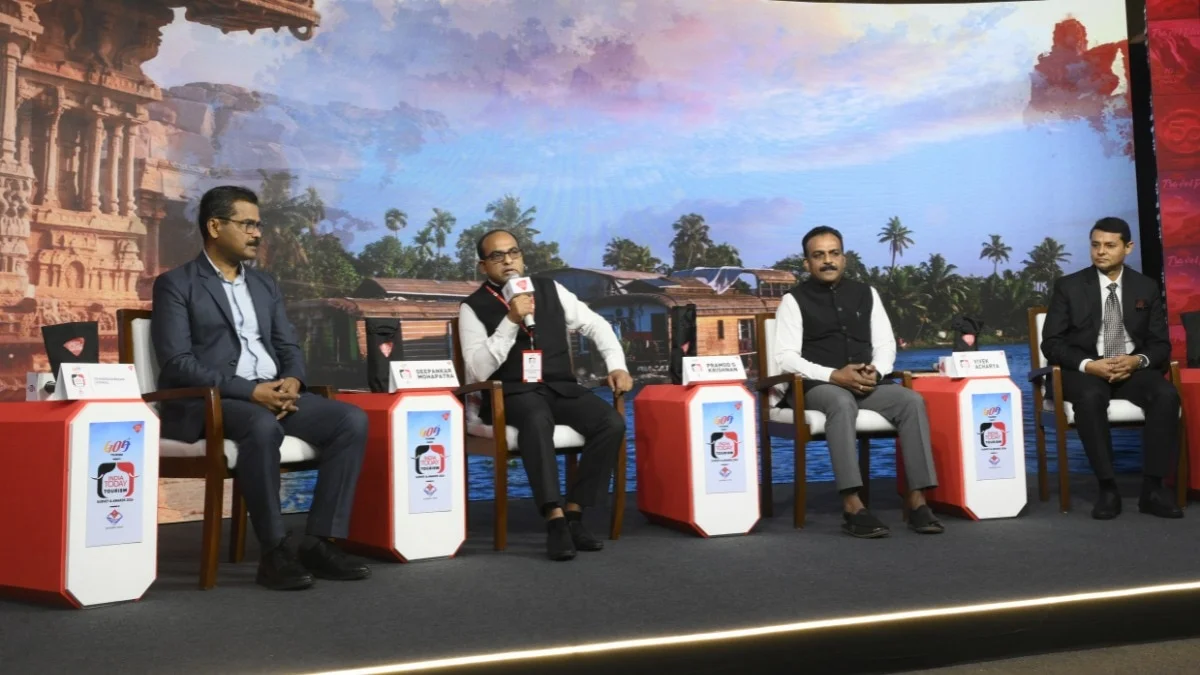
As domestic travel in India continues to surge, tourism officials from Odisha, Chhattisgarh, Kerala and Maharashtra pitched lesser-known destinations, tribal experiences and community-led tourism as the next frontier of growth. The platform for the discussion was the India Today Tourism Survey & Awards 2026 in Goa.
The session ‘Hidden India: How emerging destinations are fuelling domestic tourism growth’ focused on states moving beyond established attractions to spread tourism benefits more evenly across regions.
Opening the conversation, Odisha tourism director Deepankar Mohapatra said the state was seeking to move beyond its traditional “golden triangle” of Puri, Konark and Bhubaneswar. Odisha is promoting its 574-km-long coastline, national parks, hill destinations and Buddhist heritage sites, such as Ratnagiri, Udayagiri and Lalitgiri.
Mohapatra highlighted the state’s amended tourism policy, which offers incentives for private investment in hotels and tourism infrastructure, and stressed on efforts to strengthen the Buddhist circuit and improve connectivity to heritage sites.
For Vivek Acharya, managing director of the Chhattisgarh Tourism Board, the biggest opportunity lay in reshaping the perception of Bastar following the decline of Left-Wing Extremism in the region. Acharya said Chhattisgarh was now investing in tourism-specific infrastructure, training tribal youth as guides and developing adventure tourism products, such as glass bridges, water-based experiences and eco-tourism circuits.
Calling tourism “the business of selling stories”, Acharya argued that Bastar’s forests, waterfalls and tribal culture could emerge as major attractions. He emphasised on cooperation with neighbouring states to create multi-state tourism circuits rather than competing for visitors.
Pramod G. Krishnan, Kerala’s principal chief conservator of forests (wildlife), showcased his state’s community-driven wildlife tourism model. He explained how former poachers and forest-dependent communities had been integrated into tourism activities around protected areas, creating livelihoods while strengthening conservation efforts.
According to Krishnan, nearly 80 nature-based tourism destinations now operate in and around Kerala’s forest landscapes. He cautioned, however, that tourism planners must also anticipate cultural and social changes that accompany increased visitor flows into tribal regions.
Representing Maharashtra, Chandrashekhar Jaiswal, general manager in the state’s tourism department, argued that the state’s tourism story extended far beyond its celebrated Maratha forts. He pointed to tribal cultural museums in Nashik, lesser-known cave complexes, wildlife destinations and indigenous knowledge centres as examples of attractions that can complement mainstream heritage tourism.
A common theme across the panel was the need to diversify India’s tourism map and ensure that local communities, especially tribal populations, benefit directly from growing tourist footfalls. As domestic travel expands rapidly, the officials agreed that India’s next tourism boom may well come from destinations that have long remained off the mainstream travel circuit.
Key Takeaways
- India’s tourism growth will increasingly come from emerging destinations, not just established hotspots like Uttar Pradesh, Goa or Kerala.
- States such as Odisha and Chhattisgarh are leveraging improved security, connectivity and policy incentives to bring hidden cultural, tribal and natural attractions into the mainstream.
- Community-led tourism is becoming a key model, with local and tribal communities being integrated into tourism value chains as guides, hosts and conservation partners.
- Wildlife, adventure and experiential tourism are emerging as major drivers of visitor growth, particularly in forested and previously underexplored regions.
- Inter-state collaboration and tourism circuits, rather than state-wise competition, are essential to dispersing tourist traffic and unlocking India’s full tourism potential.
Future Outlook
The diversification of India’s travel map signals a structural shift toward regional inclusivity. By moving beyond high-density cultural monuments and coastal resorts, state boards are constructing multi-state wildlife and adventure corridors. This collaborative approach distributes economic gains to marginalized communities while preventing the ecological strain typically seen in traditional vacation hubs.
FAQs
What is community-led tourism?
Community-led tourism is a sustainable travel model where local populations, particularly tribal or forest-dependent communities, directly manage, operate, and benefit from travel infrastructure and experiences as hosts, guides, and conservation partners.
Which new destinations is Odisha promoting beyond its traditional circuit?
Odisha is expanding its travel offerings beyond the traditional Puri, Konark, and Bhubaneswar triangle by developing its 574-km-long coastline, Buddhist heritage sites like Ratnagiri, Lalitgiri, and Udayagiri, alongside various national parks and hill stations.
How is Chhattisgarh transforming the Bastar region for travelers?
Following a decline in regional extremism, the Chhattisgarh Tourism Board is training local tribal youth as certified guides and installing specialized infrastructure, including eco-tourism circuits, water sports, and glass observation bridges.
What model is Kerala using for eco-tourism?
Kerala operates nearly 80 nature-based tourism centers focused on a community-driven model that integrates former poachers and forest-dependent residents into wildlife conservation and guided travel programs.