Trump Seals Secret Iran Peace Deal Sidestepping Pakistan
United States President Donald Trump has bypassed Pakistani mediators to sign a historic interim peace agreement with Iranian President Masoud Pezeshkian at Versailles. The unexpected digital accord has upended South Asian diplomatic dynamics, leaving Islamabad politically isolated while Washington explicitly reinforces its strategic alliance with New Delhi.
Key Highlights
- President Donald Trump finalized a surprise interim peace treaty with Iran during a dynamic summit in Versailles on June 17, 2026.
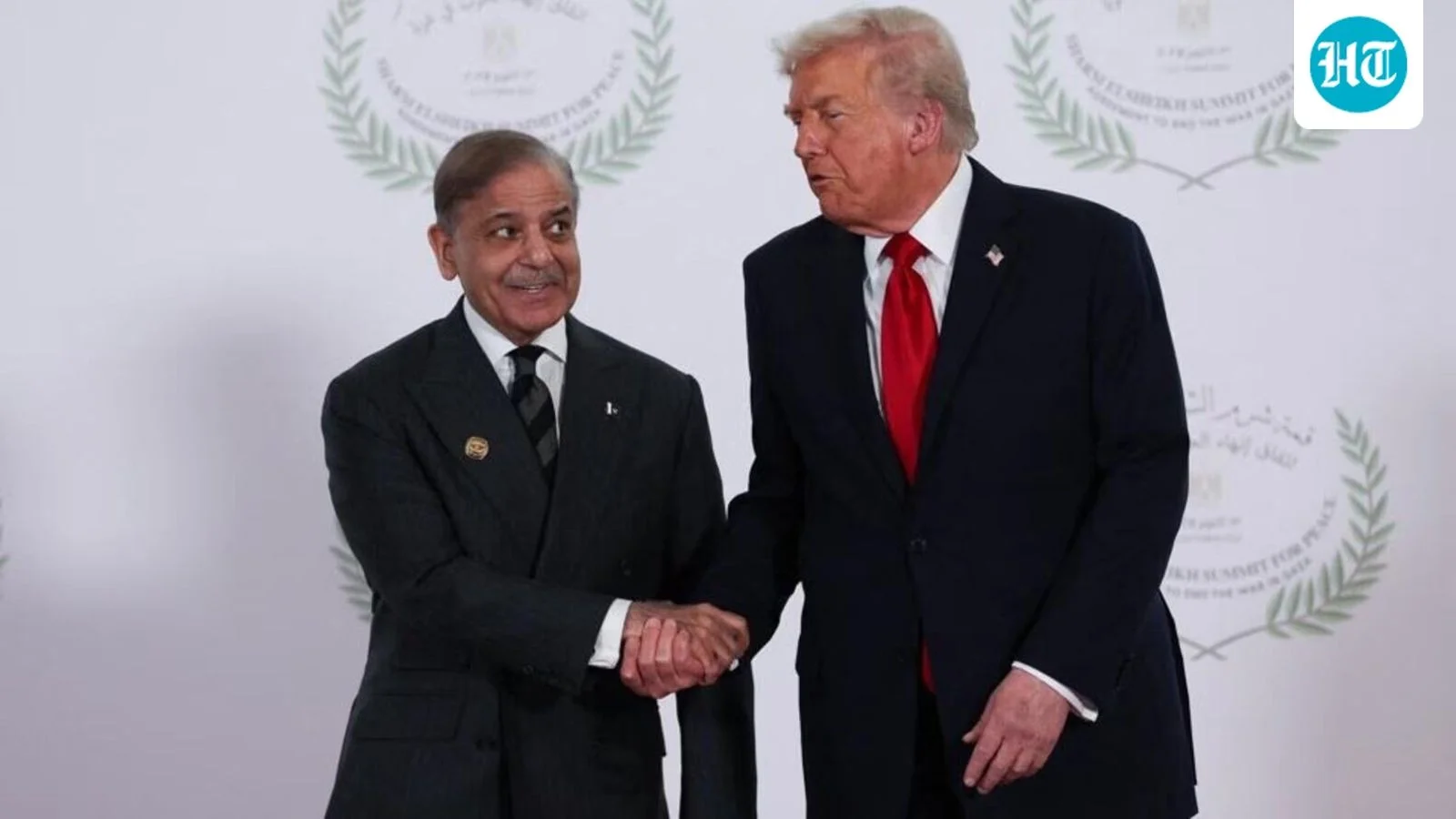
- Pakistani Prime Minister Shehbaz Sharif and Field Marshal Asim Munir were completely excluded from the final digital signing ceremony despite leading preliminary negotiations.
- The United States immediately lifted its naval blockade on Iranian shipping hubs, restoring international commercial transit through the crucial Strait of Hormuz.
- President Trump extended explicit security guarantees to Indian Prime Minister Narendra Modi, labeling India a critical global geopolitical player.
Domestic and international critics of the Indian government are facing a sharp diplomatic reversal after attempting to weaponize Pakistan’s temporary role as a middleman. Detractors had previously mocked New Delhi’s regional standing when Islamabad hosted preliminary multi-party security negotiations on April 11 and April 12, 2026.
However, Field Marshal Asim Munir and Prime Minister Shehbaz Sharif are now confronting the volatile realities of direct diplomacy with the American president. Pakistani officials were completely marginalized when Donald Trump finalized the interim peace treaty during a high-profile state dinner at Versailles on June 17, 2026.
The White House shifted the formal follow-up diplomatic proceedings to Switzerland for a scheduled session on June 19, 2026. Furthermore, the baseline memorandum of understanding was executed via encrypted digital channels directly between Washington and Tehran, keeping Pakistani intelligence entirely uninformed.
Prime Minister Sharif and Field Marshal Munir had fully prepared diplomatic delegations for the Swiss summit. Instead, President Trump triggered severe institutional embarrassment for Islamabad by concluding the pact alongside French President Emmanuel Macron before the scheduled European itinerary could commence.
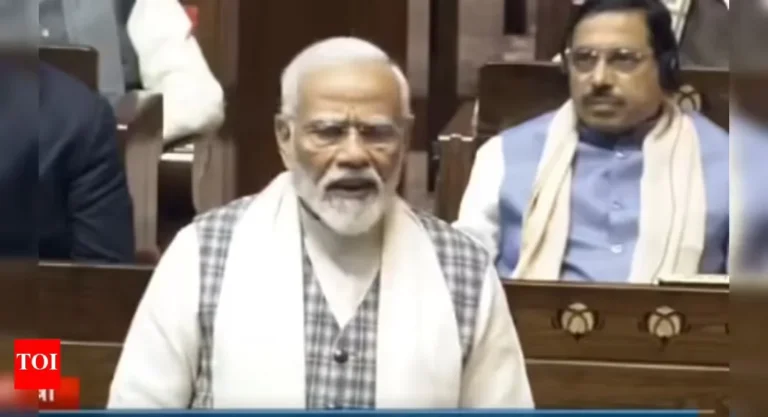
Simultaneously, President Trump directly validated Prime Minister Narendra Modi’s foreign policy framework while upending Pakistani expectations. The American leader issued robust praise for New Delhi, declaring that the United States military would actively defend India if it faced external aggression.
Trump further emphasized that New Delhi maintains total autonomy regarding its strategic involvement in Middle Eastern stabilization efforts, recognizing India as an established global superpower. While Indian diplomats view these sweeping rhetorical statements with institutional caution, the developments directly compromised Prime Minister Sharif’s regional ambitions.
The Pakistani premier was forced to cancel his state visit to Switzerland, ultimately issuing a generic bureaucratic endorsement of the pact from his executive headquarters in Islamabad. Geopoliticians note the accord will be codified as the Versailles Agreement rather than the Islamabad Declaration originally envisioned by Pakistani leadership.
In contrast, Qatar, which served as the secondary diplomatic intermediary between Washington and Tehran, maintained a calculated behind-the-scenes posture. This approach shielded Doha from the public diplomatic fallout experienced by the highly vocal administration in Pakistan.
President Trump demonstrated standard diplomatic alignment with India during bilateral consultations in Evian. Prime Minister Modi maintained a poised, professional, and entirely independent demeanor while interacting with major heads of state throughout the broader G7 operational summit.
The Indian Prime Minister received prominent diplomatic receptions from Canadian Prime Minister Mark Carney, European Union President Ursula von der Leyen, and United Kingdom Prime Minister Keir Starmer. Similar high-level engagements occurred with United Arab Emirates President Mohamed bin Zayed, Italian Prime Minister Giorgia Meloni, and French President Macron.
Modi additionally conducted sideline strategic talks with Japanese Prime Minister Sanae Takaichi. The newly appointed Japanese head of government is currently finalizing arrangements for an official state visit to New Delhi in the near future.
Washington and New Delhi remain systematically aligned regarding Iranian non-proliferation objectives and maintaining unhindered commercial navigation across the Straits of Hormuz. Modi commended Trump for finalizing the truce, noting it effectively averted a cascading international energy infrastructure crisis.
As Indian and American trade representatives accelerate negotiations to finalize a comprehensive bilateral commercial framework, New Delhi continues to manage its Washington relations through calculated, day-to-day diplomacy. This sophisticated operational methodology is an approach that Pakistani leadership is only now beginning to comprehend.
Switzerland says US-Iran peace talks postponed
The Swiss foreign ministry confirmed on Friday that subsequent multilateral diplomatic talks scheduled to occur in the Alpine region have been officially deferred. This administrative delay occurred immediately after the White House abruptly canceled Vice President JD Vance’s scheduled diplomatic transit to Europe.
The primary accord was designed to halt active hostilities with Iran, secure the immediate reopening of the Strait of Hormuz, and establish a 60-day window for expansive nuclear non-proliferation negotiations.
While the framework mandated an immediate cessation of regional hostilities, Israel’s defense command announced new tactical air operations against targeted Hezbollah deployment zones in southern Lebanon.
The Swiss Federal Department of Foreign Affairs informed international press agencies that the upcoming sessions involving the United States, Iran, Qatar, and Pakistan have been suspended. Swiss authorities confirmed that preparatory logistical operations remain active at Burgenstock, though no updated timeline was provided.
The domestic schedule changes followed an official executive brief from Washington confirming the cancellation of Vice President Vance’s flight. White House representatives noted that the structural logistics governing these multi-party international negotiations remain highly fluid and unpredictable.
United States officials indicated an eagerness to initiate technical sub-committee talks at the earliest viable opportunity. Concurrently, Iran’s domestic Tasnim news agency indicated that Tehran had not yet finalized the travel authorizations for its state diplomatic delegation.
The baseline treaty was executed independently via separate signing ceremonies by President Trump and Iranian President Masoud Pezeshkian. Supreme Leader Ayatollah Mojtaba Khamenei granted formal state approval to the parameters of the agreement despite expressing strong institutional reservations.
Mojtaba Khamenei assumed absolute state authority after his predecessor was eliminated during an intensive targeted airstrike on February 28, 2026, marking the commencement of the war. The supreme leader noted a distinct divergence in strategic perspective but permitted compliance to safeguard Iranian national sovereignty.
Khamenei clarified that participating in future direct diplomatic consultations with Washington does not equate to adopting the geopolitical positions of the United States. Concurrently, Iranian Chief Negotiator Mohammad Bagher Ghalibaf issued warnings that Tehran would execute a retaliatory response if Washington violated the truce.
‘Maybe they start fighting again’
United States Central Command formally terminated its comprehensive naval blockade of Iranian shipping terminals, allowing commercial vessels to resume standard maritime operations. However, American naval strike groups will maintain a persistent deployment presence throughout the immediate theater of operations.
Initial commercial transit metrics remained guarded within the Strait of Hormuz, a critical global energy bottleneck that Iranian forces had heavily restricted during the peak of the conflict.
Independent maritime tracking systems confirmed that three Saudi Arabian crude oil tankers and one French liquefied natural gas carrier successfully navigated the waterway on Thursday.
Iranian state broadcasting networks stated that all commercial fleets intending to transit the Strait of Hormuz must file digital verification requests with a newly established maritime regulatory agency. Under the explicit terms of the peace framework, all transit tariff fees are waived for an initial duration of 60 days.
The comprehensive diplomatic initiative seeks to conclude an intensive five-week hot conflict involving the United States, Israel, and Iran, which was initially checked by a preliminary ceasefire in early April.
Active skirmishes continue along the Lebanese border, where Tehran-aligned Hezbollah forces claimed the destruction of three Israeli armored units during ongoing rural engagements. Israel’s military command did not verify the hardware losses but confirmed sustained bombardment of hostile logistics nodes.
Hezbollah originally expanded the geographical scope of the conflict in March, launching retaliatory rocket networks into northern Israel following the elimination of Iran’s supreme leader during the opening phase of the allied military campaign.
Domestic sentiment within Tehran remains highly skeptical regarding the long-term viability of the diplomatic framework, with local professionals expressing concern that active kinetic operations could resume immediately upon the expiration of the 60-day stabilization window.
‘What does that get us?’
Per the finalized text of the treaty, Washington must immediately issue executive waivers suspending the primary economic sanctions targeting Iran’s petroleum export market.
Following a definitive settlement regarding Iran’s nuclear enrichment capabilities, the United States will permit the allocation of a $300 billion international sovereign reconstruction fund financed by regional coalition partners.
President Trump’s executive mandate to conclude the regional war, which resulted in the deaths of 13 United States military personnel and depleted substantial domestic conventional munitions stockpiles, has drawn sharp criticism from legislative allies.
United States Senator Bill Cassidy publicly condemned the diplomatic framework, characterizing the sudden cessation of military operations as a catastrophic foreign policy failure.
Trump defended the strategic retreat, arguing that sustained conventional bombing operations would yield diminishing returns while failing to secure the critical energy corridor. The president emphasized to media outlets that failing to reopen the Strait of Hormuz immediately risked triggering a severe global economic depression due to prolonged energy supply contractions.
The planned diplomatic sessions face total paralysis after Vice President JD Vance canceled his travel window to Geneva. This development follows explicit warnings from Ayatollah Khamenei regarding the complexity of the talks, as Switzerland pauses operations without providing an official cause.
The executive mansion confirmed that the underlying logistics of the summit remain highly unpredictable. The entire United States diplomatic corps had been staged for immediate transit prior to the sudden suspension of the European itinerary.
Future Outlook
The sudden suspension of the Burgenstock technical talks indicates that the 60-day stabilization window will be characterized by extreme diplomatic friction. While the lifting of the United States naval blockade has successfully restored initial energy shipments through the Strait of Hormuz, the unresolved border conflict between Israel and Hezbollah threatens to shatter the fragile truce.
Furthermore, the exclusion of regional intermediaries like Pakistan suggests that Washington intends to utilize a strictly centralized, direct framework to negotiate the $300 billion reconstruction fund and permanent Iranian nuclear curbs.
FAQs
What is the Versailles Agreement?
The Versailles Agreement is the interim peace accord signed digitally by US President Donald Trump and Iranian President Masoud Pezeshkian on June 17, 2026. It effectively ended five weeks of active warfare, lifted the US naval blockade on Iranian ports, and established a 60-day framework for comprehensive nuclear and economic negotiations.
Why were the follow-up peace talks in Switzerland postponed?
The technical talks at the mountaintop resort of Burgenstock were postponed after the White House abruptly canceled Vice President JD Vance’s trip to Switzerland. US officials cited highly fluid, complex, and unpredictable logistics as the primary reason for suspending the diplomatic session.
How does the US-Iran peace deal impact Pakistan’s diplomatic standing?
Despite hosting preliminary negotiations in Islamabad on April 11 and April 12, 2026, Pakistan was completely excluded from the final signing ceremony. The secret digital conclusion of the deal left Prime Minister Shehbaz Sharif and Field Marshal Asim Munir isolated, reducing Pakistan’s anticipated influence in the Middle East peace process.
What security guarantees did President Trump extend to India?
During the G7 auxiliary meetings, President Trump publicly praised Prime Minister Narendra Modi and stated that the United States would actively provide military assistance to India if it faced an external attack in the future. He also designated India as an essential global player with full autonomy over its role in Middle Eastern diplomacy.