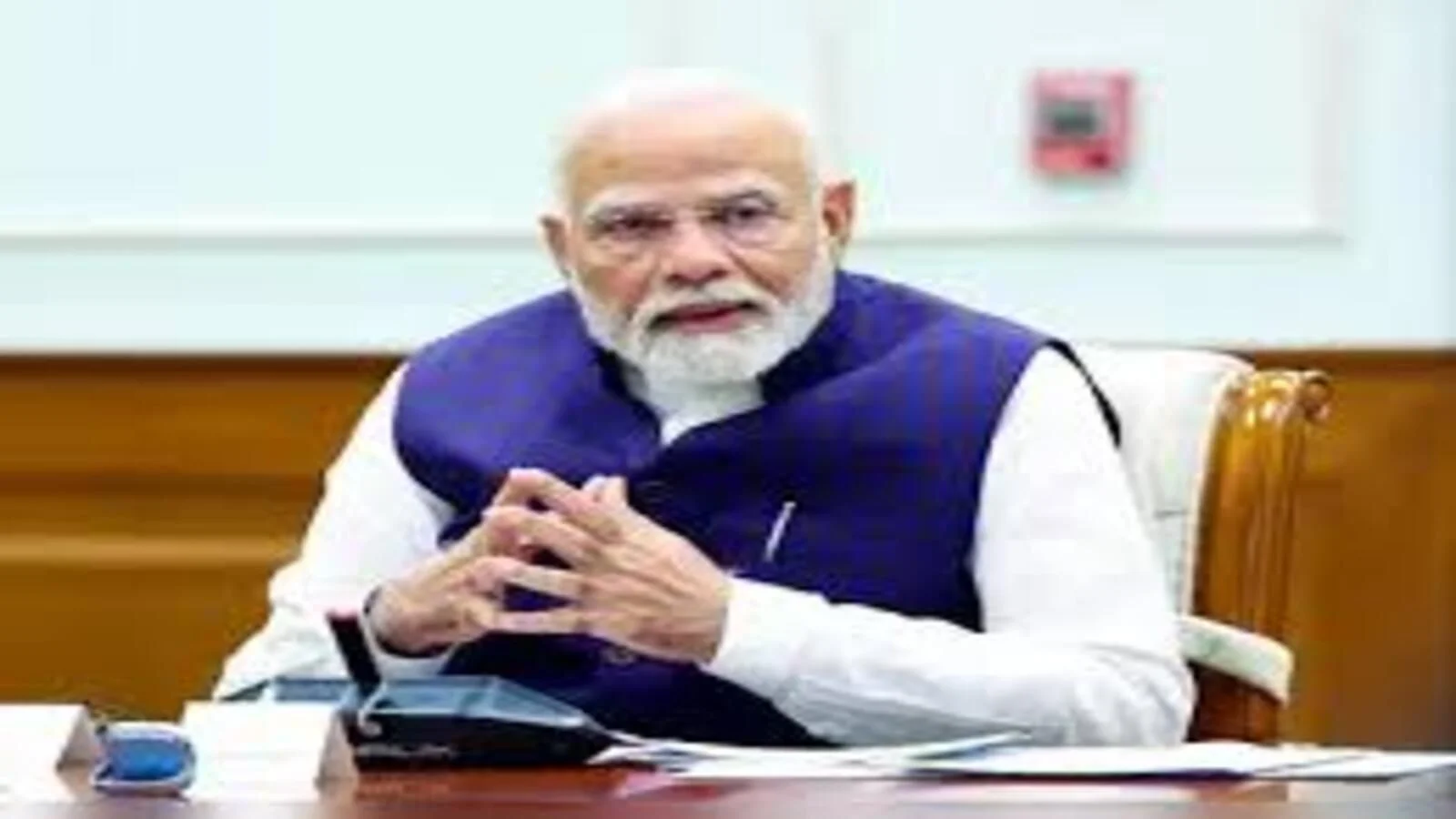
PM Modi Applauds Citizens Curbing Spending Amid West Asia Crisis
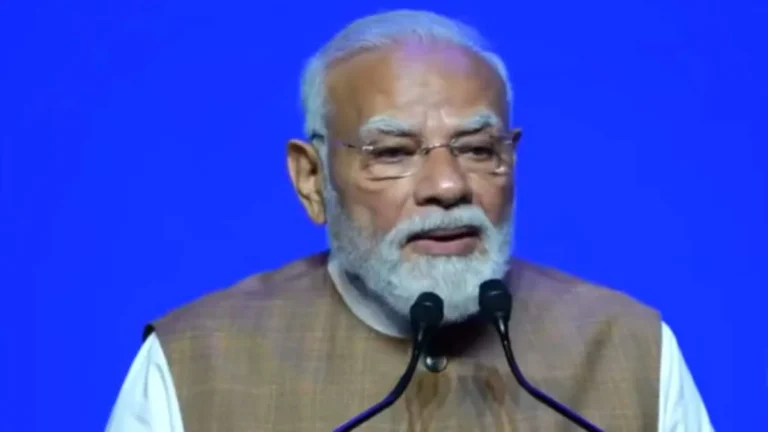
Prime Minister Narendra Modi lauded the public response to his call for curbing lavish expenses amid the intensifying West Asia crisis, which has severely disrupted global trade networks. In his latest Mann Ki Baat radio address, Modi highlighted citizens choosing local choices over foreign expenditures to support the economy.
Key Highlights
- Citizens are deferring destination weddings and foreign travel to conserve capital.
- Public response includes recycling existing gold instead of purchasing new jewelry.
- Commuters are actively switching to carpooling and public transit networks like metros.
- Farmers are accelerating the transition toward chemical-free, natural agriculture inputs.
Prime Minister Narendra Modi expressed deep appreciation for the national response to his appeal regarding disciplined spending during the ongoing West Asia geopolitical conflict that has destabilized international supply lines. Speaking during his monthly radio broadcast on Sunday, the Prime Minister revealed that numerous citizens have communicated their decisions to halt gold purchases, cancel international destination weddings, and transition toward fertilizer-free agricultural practices.
Modi voiced satisfaction regarding the collective resilience shown by the population during this period of global economic volatility. He expressed absolute certainty that the inherent power of widespread public participation will fortify the nation and ensure successful navigation through these external macroeconomic headwinds. The Prime Minister explicitly recalled his earlier strategic directive issued to Indian citizens following the joint United States-Israel military actions targeting Iran, which triggered a highly volatile, war-like environment across the West Asia region.
During that initial address, the Prime Minister explicitly requested that citizens defer purchasing gold for the foreseeable future whenever feasible. He additionally urged individuals to suspend vacationing in international destinations while actively encouraging local carpooling initiatives. Furthermore, he petitioned the farming community to rapidly implement chemical-free agricultural methodologies to safeguard domestic arable land while maximizing the deployment of organic and natural soil nutrients. Modi extended his formal gratitude to the populace, noting that citizens have not only embraced the advisory but are actively executing these measures nationwide.
The Prime Minister maintained that multiple households have forwarded detailed accounts of their domestic adjustments through digital messages, confirming their formal choice to entirely avoid buying new gold for upcoming family marriage ceremonies. He noted that families are opting to recycle legacy gold items to fabricate new jewelry pieces if an absolute necessity arises. Additionally, Modi observed that a substantial number of individuals have utilized social media platforms to announce the formal postponement of their scheduled overseas tourism plans.
Alternative conservation measures currently gaining traction across urban centers involve organized carpooling and a measurable increase in the daily utilization of mass public transit infrastructure, specifically municipal metro rail networks.
Modi noted that citizens who previously utilized personal vehicles for daily, identical commuting routes have now established shared transport routines. He emphasized that the public is making deliberate efforts to utilize municipal buses and underground metro systems, a behavioral shift yielding substantial national savings on imported petroleum and diesel fuel.
In a similar development, the Prime Minister confirmed that verified field reports indicate a sharp rise in the consumption and distribution of natural, non-chemical fertilizers across multiple agricultural zones throughout the country.
Future Outlook
The structural shift in Indian consumer behavior, catalyzed by geopolitical tensions in West Asia, could permanently alter domestic consumption patterns. If the reduction in gold imports and foreign tourism persists alongside an increased reliance on public infrastructure, India may experience a strengthening of its current account balance. Furthermore, the grassroots momentum toward organic farming and fuel conservation aligns directly with long-term national sustainability goals, potentially creating a more resilient, self-reliant domestic economy capable of absorbing future external supply chain shocks.
FAQs
Why did Prime Minister Modi ask citizens to alter their spending habits?
The directive was issued in response to the volatile West Asia crisis following military actions involving the United States, Israel, and Iran. This conflict heavily disrupted international supply chains, prompting a need for domestic fiscal discipline and resource conservation.
How are Indian families adjusting wedding plans according to the address?
Many families have chosen to cancel expensive destination weddings abroad and are avoiding the purchase of new gold. Instead, citizens are choosing to recycle and redesign older, existing gold jewelry to meet their ceremonial requirements.
What transportation adjustments did the Prime Minister highlight?
Modi commended urban commuters for transitioning away from personal vehicles in favor of carpooling with colleagues traveling in the same direction. He also noted a significant rise in the daily patronage of public buses and metro systems to reduce fuel consumption.
How are Indian farmers contributing to this national conservation effort?
Farmers are actively reducing their dependency on chemical inputs and are escalating the utilization of organic and natural fertilizers. This shift helps protect farmlands while mitigating supply chain dependencies linked to imported agricultural chemical components.