PM Modi Praises Indian Citizens for Navigating Global Emergency
Prime Minister Narendra Modi commended the Indian public for displaying immense accountability during a recent international emergency. Speaking during his monthly radio broadcast, the prime minister noted that citizens unified to protect national interests by altering their consumption and travel habits.
Key Highlights
- Prime Minister Narendra Modi praised national unity during a recent global geopolitical crisis.
- Citizens responded to official appeals by restricting gold purchases and scaling back international travel.
- The public adopted resource-saving practices, including carpooling and increased reliance on public transit systems.
- The collective response underscored India’s strategic resilience alongside state-backed infrastructure support.
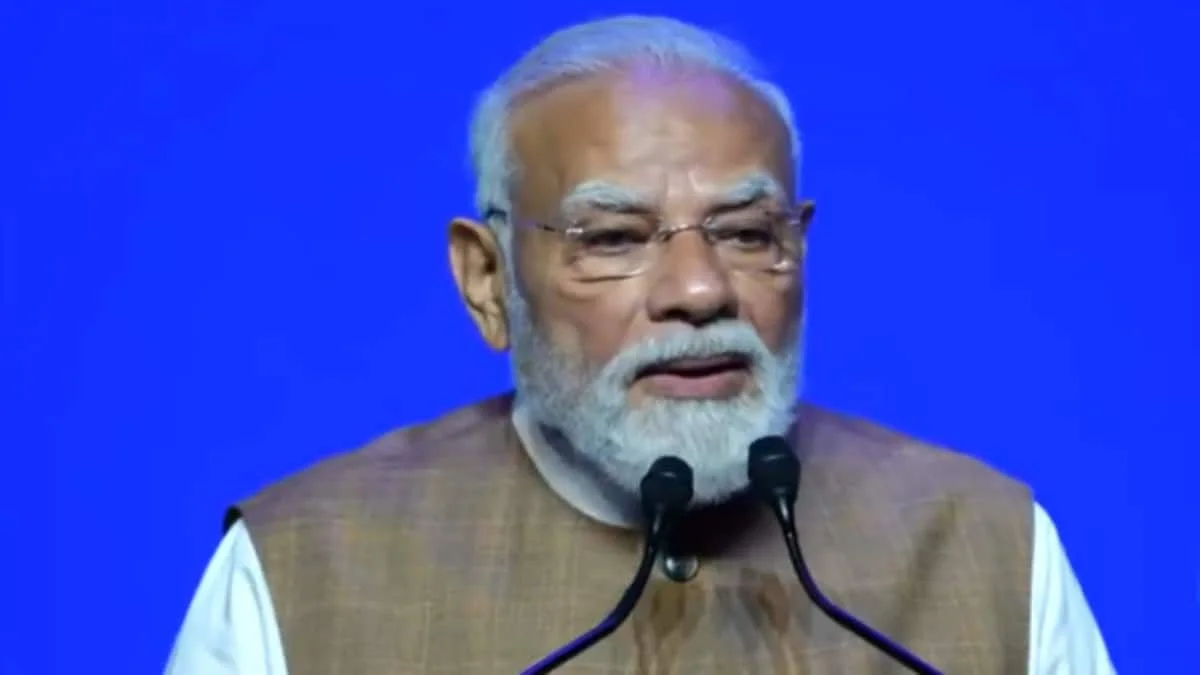
Prime Minister Narendra Modi on Sunday lauded Indian nationals for taking on the responsibility during a recent global crisis. Addressing the 135th episode of Mann Ki Baat, the prime minister said that the citizens stood together and acted in the national interest by listening to his appeal to avoid buying gold, limit foreign travel, and adopt practices such as carpooling and greater use of public transport.
PM Modi expressed gratitude to citizens for their cooperation and said their collective efforts reflected a deep sense of responsibility. “The people of India handled this global crisis with great responsibility,” PM Modi said during the broadcast.
The prime minister recalled the appeal he made during the war and noted that Indians responded positively to the request. “During the war, I had appealed to the people of the country to avoid buying gold and travelling abroad. I am grateful to the citizens for listening to my appeal and acting upon it,” he said.
History of State-Led Crisis Insulation
The public’s civic discipline during the 2026 geopolitical friction aligns with India’s long-standing reliance on state mechanisms to weather external shocks. Parallel to citizen-led conservation, India’s public sector oil marketing companies (OMCs)—including IOC, BPCL, and HPCL—historically anchored domestic stability.
During the 2015 Chennai floods and the 2020 pandemic, these state entities sustained supply lines when private operators withdrew. In the recent Middle East conflict, these enterprises absorbed international crude price spikes exceeding 50%, shielding consumers by restricting domestic fuel price hikes to just Rs 7.50 per litre for petrol and diesel, Rs 89 per LPG cylinder, and Rs 6 per kg for CNG. This state-directed financial cushion resulted in net under-recoveries of Rs 40,000 to Rs 45,000 crore between March and May 2026, underscoring how public infrastructure and civic cooperation jointly preserve national energy security.
FAQs
What did PM Modi praise Indian citizens for in June 2026?
PM Modi commended the nation for acting with high civic responsibility during a recent global conflict. Citizens successfully restricted their gold purchases, reduced foreign travel, and utilized public transit and carpooling to protect national economic interests.
What episode of Mann Ki Baat aired on June 28, 2026?
The prime minister delivered the 135th episode of his monthly radio address, focusing heavily on public participation, resource conservation, and climate initiatives like water harvesting.
How did state infrastructure support the national crisis response?
State-run oil companies absorbed global energy price shocks by holding fuel prices steady for months despite a 50% spike in international oil costs, incurring significant losses to protect domestic consumers from extreme inflation.