Pranab Mukherjee Daughter Praises Modi Sparking Congress Rift
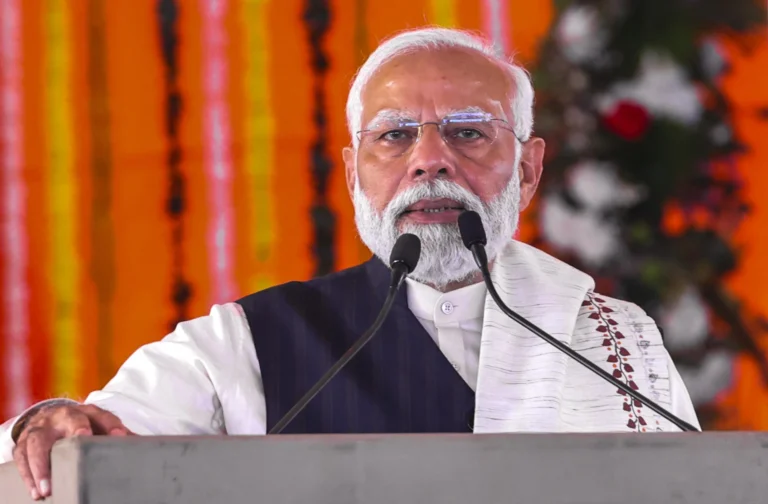
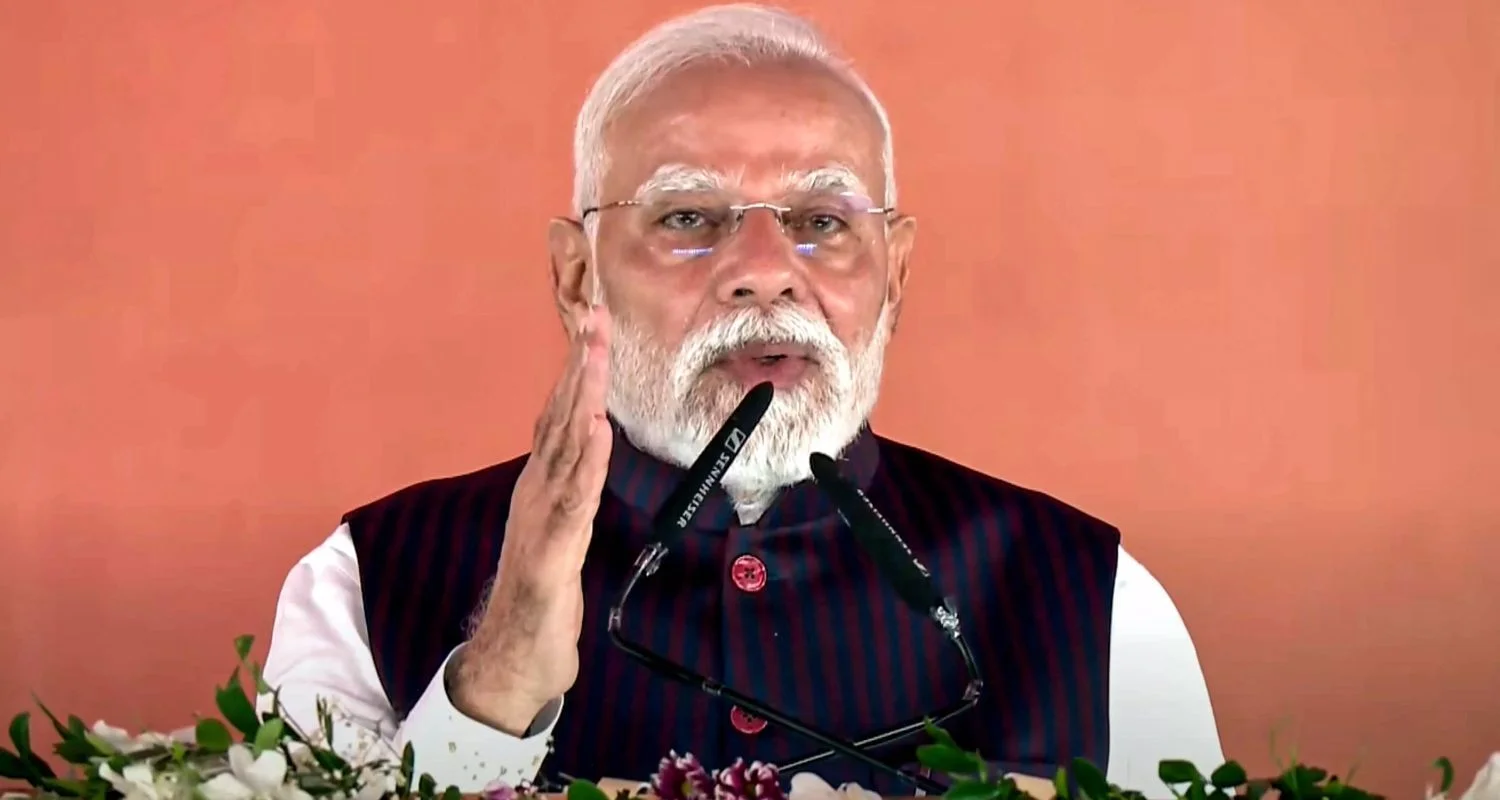
A recent analytical article written by Sharmishtha Mukherjee, the daughter of the late former President Pranab Mukherjee, has openly lauded Prime Minister Narendra Modi, causing significant irritation within the ranks of the opposition Congress party.
Key Highlights
- Sharmishtha Mukherjee’s recent article praising Prime Minister Narendra Modi has caused severe discomfort within her former party, the Congress.
- The public commendation follows recurring positive remarks about Modi from sitting Congress Member of Parliament Shashi Tharoor.
- Mukherjee highlighted Modi’s rise via merit rather than dynastic privilege, contrasting him directly with Congress leadership structures.
- The analysis underscores historical internal friction, noting how Pranab Mukherjee was bypassed for the prime ministerial post in 2004.
The public commentary by Sharmishtha Mukherjee has clearly unsettled the Congress leadership. Although she exited active politics a few years ago, her perspectives carry substantial weight given her lineage as the daughter of a towering Congress stalwart who led the Finance, Foreign, and Defence ministries before becoming President.
This development serves as a profound political statement. It reveals as much about the internal dynamics of the Congress as it does about the governance style of Narendra Modi. It highlights a widening gap between institutional critics and public sentiment.
Her public commendation arrives shortly after seasoned Congress lawmaker Shashi Tharoor was frequently observed and heard offering praise for the Prime Minister. This independent stance has consistently triggered deep resentment and irritation among his fellow party colleagues in New Delhi.
In stark contrast to Mukherjee, Tharoor remains a highly active political figure. He currently serves as the elected Member of Parliament representing the Thiruvananthapuram constituency in Kerala, making his public statements particularly problematic for official party messaging.
This internal praise emerges precisely when the Congress party is executing a prolonged national campaign targeting the Prime Minister. The opposition routinely lambasts his administration, alleging widespread failures across economic management, national security, and foreign policy domains.
Furthermore, Leader of the Opposition in the Lok Sabha, Rahul Gandhi, consistently utilizes aggressive rhetoric, characterizing Prime Minister Modi in highly derogatory terms. Observers note this approach appears crude and fails to find genuine resonance among ordinary Indian citizens.
Also read: Uddhav Thackeray fighting a ‘lost’ battle for survival
In her publication, Mukherjee recalled the precise political evaluations made by her late father regarding Modi. She effectively elevated the current Prime Minister to a uniquely high position, potentially placing him ahead of multiple historical predecessors.
While right-wing supporters have long maintained this elevated status for their leader, such an assessment remains an absolute anathema to the Congress establishment. The narrative challenges the foundational political arguments built by the main opposition alliance.
Mukherjee explicitly noted that the personal political brand of Modi remains the absolute primary asset for the ruling party. Citizens view him as a decisive leader who ascended to power through absolute merit, devoid of any inherited dynastic privileges.
This observation delivers a direct critique of the current structural configuration of the Congress and various family-controlled regional factions. It reflects an institutional reality where outsiders face immense systemic barriers when attempting to rise through the traditional opposition ranks.
Historically, her father was widely recognized as the most qualified candidate for the prime minister position in 2004. This occurred when Sonia Gandhi declined the post following intense public debates regarding her institutional eligibility to hold office.
Contradicting popular belief that she selflessly refused the post to appoint Dr. Manmohan Singh, legal records indicate she faced structural impediments. These constitutional barriers were directly highlighted to her by the then President, APJ Abdul Kalam.
The strategic decision to select Singh over the highly experienced Mukherjee underscores the absolute control the core family maintains over the organization. The leadership was unwilling to risk losing its central grip on power to an independent intellectual.
The leadership feared Mukherjee would be too formidable to manage. They worried he might mirror PV Narasimha Rao, who successfully consolidated control over both the government and the party machinery, temporarily sidelining the family dynasty.
Mukherjee further documented how Modi effectively transformed traditional parliamentary contests into a presidential-style electoral format. The ruling coalition strategically announced his prime ministerial candidacy long before the high-stakes general elections of 2014.
Consequently, electorate members casting their votes knew precisely who would lead the government upon victory. This structural shift closely mirrored the political dynamics observed in executive presidential campaigns within the United States.
Just as American state governors frequently transition into national presidential contenders, Modi leveraged his extensive executive experience in Gujarat. He served as the Chief Minister of the western state for a continuous period of 12 years.
This extensive governance record in Gujarat created a powerful national brand. This distinct political identity propelled him to the center stage of Indian governance, where he remains an exceptionally dominant figure today.
Upon assuming the premiership, Modi deliberately cultivated a highly professional and warm working relationship with President Pranab Mukherjee. This occurred despite the veteran statesman being originally elevated to the post by the opposing Congress party.
Historical context indicates Mukherjee was strategically moved to Rashtrapati Bhavan out of political necessity rather than preference. He had become far too influential to operate under Singh, who had previously served under him as Finance Secretary.
Despite their opposing political ideologies, President Mukherjee functioned as an invaluable guide to the incoming Prime Minister. Modi openly recognized this institutional mentorship, eventually honoring the statesman with the Bharat Ratna, the nation’s highest civilian award, in 2019.
Ultimately, Sharmishtha Mukherjee has simply articulated the authentic views her late father maintained regarding the Prime Minister. This assessment offers a critical lesson for the Congress leadership if they choose to objectively analyze these veteran observations.
Modi demonstrably remains the most potent political brand and effective vote-getter across the contemporary national landscape. The opposition must confront this reality through strategy rather than relying on dismissive rhetoric and personalized attacks.
History of Congress Leadership Friction
The tension between dynastic control and meritocratic promotion within the Indian National Congress dates back several decades. The structural sidelining of powerful regional leaders became highly pronounced during the late 20th century. Leaders who exhibited strong independent bases of support, such as PV Narasimha Rao and Pranab Mukherjee, frequently found their career trajectories managed or redirected by the central party apparatus to preserve the authority of the high command. This historical centralized control created systemic vulnerabilities, which rival political formations have successfully exploited in successive general election cycles since 2014.
FAQs
Why is Sharmishtha Mukherjee’s article causing controversy?
Her article has sparked intense debate because she is the daughter of the late Congress stalwart and former President Pranab Mukherjee. Her high praise for Prime Minister Narendra Modi directly challenges the political narrative of her former party.
What did Sharmishtha Mukherjee say about Narendra Modi’s political brand?
She described Narendra Modi as the strongest political asset for his party. She emphasized that the public perceives him as a self-made leader who rose to power through merit and hard work, without relying on dynastic privileges.
How did Pranab Mukherjee and Narendra Modi interact politically?
Despite belonging to opposing political parties and holding different ideological viewpoints, the two maintained a strong, professional relationship. President Mukherjee acted as a mentor to Modi, who later honored him with the Bharat Ratna in 2019.
What historical event did the article highlight regarding the 2004 Prime Minister selection?
The text highlights that Pranab Mukherjee was bypassed for the prime minister position when Sonia Gandhi selected Dr. Manmohan Singh. This decision reflected the party high command’s desire to maintain strict control over the government.