Suffolk County Exit From Even-Year Election Lawsuit
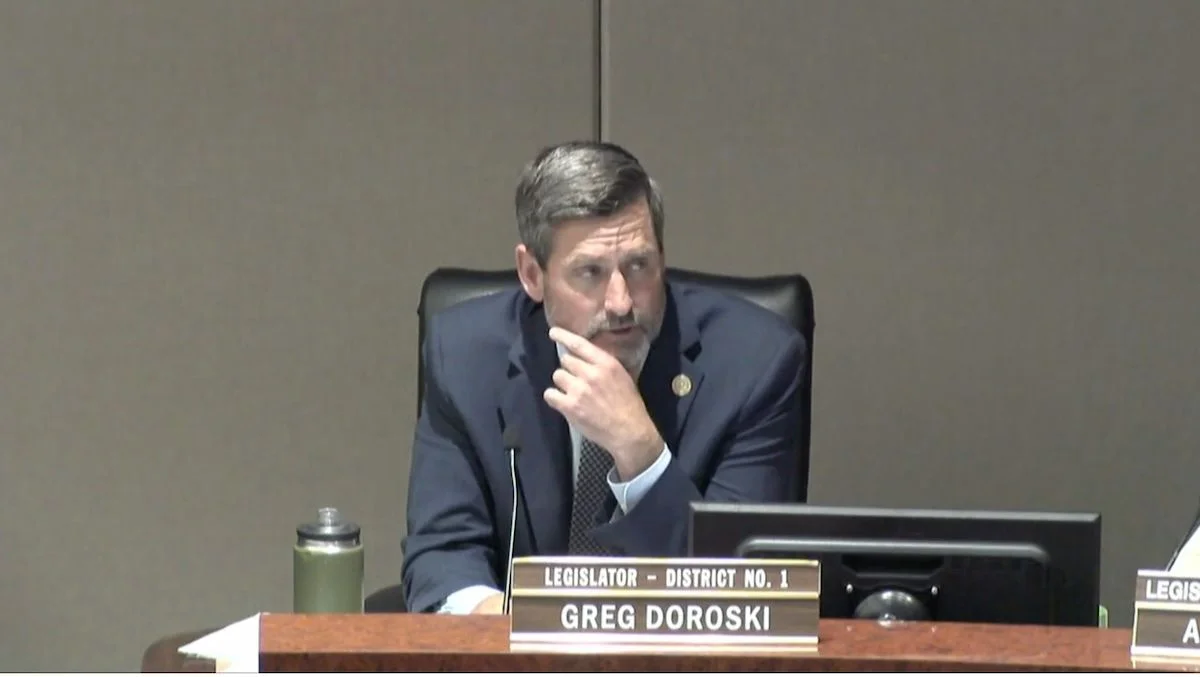
Suffolk County Legislator Greg Doroski has proposed a resolution directing the municipality to exit a federal lawsuit contesting the Even Year Election Law of New York. The lawmaker emphasizes that local taxpayers should stop financing this litigation after its initial failure in state courts racked up massive legal bills.
Key Takeaways
- Legislator Greg Doroski introduced a measure to withdraw Suffolk County from the federal election law challenge.
- The controversial state mandate forces most local municipal elections to occur during even-numbered years.
- Combined local government legal fees for the litigation have surpassed $1.65 million in taxpayer funds.
- Most initial municipal plaintiffs have already withdrawn from the action, leaving only Nassau and Suffolk counties.
Suffolk County Legislator Greg Doroski has introduced new legislation demanding that the county pull out of the federal lawsuit contesting New York’s Even Year Election Law. He asserts that public funds must no longer support this legal battle, noting it already collapsed in state jurisdictions and cost municipalities over $1.65 million.
Review the preceding coverage: L.I. taxpayers paid $1.6M-plus in Even-Year Election Law case led by GOP committees
The draft resolution, submitted on Thursday, seeks to nullify the 2024 approval granted by the Suffolk County Legislature for municipal involvement in the case. The measure instructs the county attorney to formally remove Suffolk County from the active federal docket.
Doroski stated during a Tuesday interview that he believes public money should never have been allocated toward this courtroom battle. He noted this stance is reinforced because state-level courts have already confirmed the validity of the statute.
The federal legal challenge commenced in October 2025 after the New York Court of Appeals issued a unanimous decision validating the constitutionality of the Even Year Election Law. That statute dictates that the majority of local political contests must occur during even-numbered calendar years. The U.S. Supreme Court subsequently declined to review the state ruling.
Nevertheless, the active federal case pursues separate arguments grounded in the U.S. Constitution.
Oral arguments regarding the state’s formal motion to dismiss the federal lawsuit took place on June 18 before U.S. District Judge Gary R. Brown in Central Islip. Judge Brown reserved his decision after the session concluded, and the court has not published a ruling.
Doroski’s legislative resolution highlights the escalating financial burden imposed on local taxpayers. The document reveals Suffolk County spent a minimum of $230,000 on legal representation, while the towns of Brookhaven, Huntington, Islip, and Riverhead individually absorbed costs exceeding $207,000. It also specifies that the New York Republican State Committee and the Suffolk County Republican Committee, acting as primary plaintiffs, have contributed nothing to these legal costs.
Independent financial verifications show that Riverhead disbursed at least $207,958.79 for outside counsel through December 31, 2025.
Reports confirm that the Town of Riverhead exited the federal litigation after its legal spending reached $207,958.79. A significant majority of government entities—including Brookhaven, Huntington, Islip, North Hempstead, Oyster Bay, Smithtown, and Orange County—have since removed themselves from the action. Consequently, Nassau County and Suffolk County are the sole remaining municipal plaintiffs.
Review the preceding coverage: Riverhead withdraws from Even-Year Election Law case after paying at least $207K in legal fees (June 16)
Government transparency records reveal that the remaining local governments altered their original retainer agreement with the firm Brewer, Attorneys & Counselors as expenditures climbed. This modified contract established a strict maximum cap on upcoming monthly billing totals.
Doroski reiterated that the county must halt its participation in this litigation at the expense of residents, especially since the state-level constitutional arguments failed.
The representative for the First Legislative District attempted to initiate an open debate on the proposal during a Ways and Means Committee meeting last Thursday. However, committee chairman Chad Lennon denied the request, ruling that any dialogue regarding the matter must take place behind closed doors during an executive session.
The resolution will officially be placed on the table at the upcoming Suffolk County Legislature meeting scheduled for July 14. Following its introduction, the measure will move to the Ways and Means Committee for formal evaluation.
Local journalistic endeavors require public backing to persist. Our independent newsroom operates on a modest family model. Our readers trust us for community reporting, and our operations require your financial participation to endure. Contributing a small amount sustains our public service mission. Support our platform today.
Future Outlook
The upcoming July 14 legislative session represents a critical juncture for Suffolk County’s involvement in the election law challenge. If Doroski’s resolution gains traction in the Ways and Means Committee, Suffolk could soon join the long list of long island towns that have abandoned the lawsuit. A total withdrawal by Suffolk would leave Nassau County isolated as the final municipal plaintiff backing the Republican committees in federal court. Meanwhile, observers await the pending dismissal ruling from U.S. District Judge Gary R. Brown, which could single-handedly terminate the remaining federal case before local legislators even vote on the withdrawal measure.
FAQs
What is the New York Even Year Election Law?
The law is a state statute requiring the majority of local town and county elections to be held during even-numbered years. The law aligns local contests with high-turnout federal and state election cycles.
How much has this specific litigation cost local taxpayers?
Combined municipal expenditures have exceeded $1.65 million. Suffolk County has spent at least $230,000, while multiple Long Island towns incurred individual legal bills surpassing $207,000 before choosing to withdraw.
Which municipalities remain involved in the federal lawsuit?
Only Nassau County and Suffolk County remain as government plaintiffs in the active federal litigation. Most original participants, including the towns of Riverhead, Islip, Huntington, and Brookhaven, have formally withdrawn.