Punjab Power Crisis Blasts AAP Surplus Claims
Ongoing agricultural demonstrations across Punjab due to persistent electrical blackouts have dismantled the state government’s declarations of maintaining a power-surplus region. The intense power deficits during critical irrigation cycles have triggered widespread rural unrest, forcing farmers into economic hardship while challenging official administrative assertions.
Key Highlights
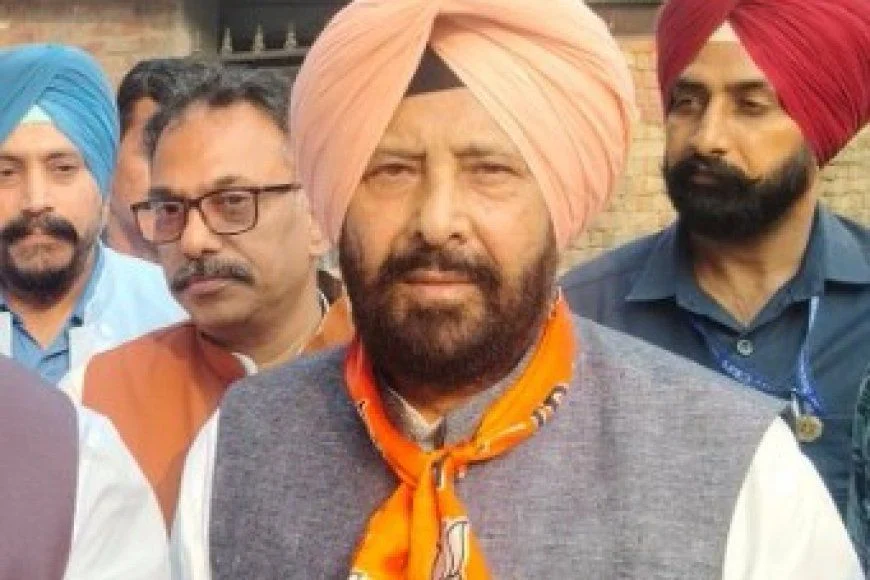
- BJP state chief Kewal Singh Dhillon declared the ruling administration’s electricity supply promises completely falsified by widespread rural blackouts.
- Farmers are enduring escalating financial distress, forced to operate expensive diesel generators to salvage drying crops.
- Agrarian demonstrators have gheraoed sub-stations and blocked transit routes in multiple regions amid intense summer heat.
CHANDIGARH: Massive demonstrations organized by agricultural workers throughout Punjab regarding extended power outages, alongside multi-day sit-in protests, have completely invalidated the administration’s assurances. Chief Minister Bhagwant Mann previously asserted that rural sectors receive eight hours of continuous electricity, framing Punjab as a energy-abundant territory.
Reacting strongly to the administrative oversight during the essential paddy cultivation window, Bharatiya Janata Party State President Kewal Singh Dhillon stated that unreliable electricity infrastructure compels agrarian communities to run expensive diesel-powered machinery. This reliance heavily inflates overhead cultivation expenses.
Dhillon noted that demonstrations taking place directly outside electrical grids across the state have stripped away any credibility from the government’s highly publicized narratives regarding energy self-sufficiency.
The political leader highlighted that the Chief Minister previously vowed to alleviate the nocturnal burden of agriculturalists waiting endlessly for irrigation power. Currently, grid failures occur consistently throughout both daylight and night hours.
Consequently, recently planted crops face immediate dehydration due to insufficient water access, while those attempting fresh cultivation face similar logistical barriers. Dhillon described this scenario as a clear indication of systematic administrative planning failures.
Furthermore, agrarian communities in every district are surrounding power hubs, enduring extreme thermal conditions to voice grievances, and executing major traffic blockades out of sheer desperation. He questioned why food producers are forced onto streets instead of managing fields if state systems were genuinely functional.
Dhillon concluded that the ruling party remains entirely focused on public relations campaigns, digital media presentation, and artificial narratives. Meanwhile, food producers face severe deficits in energy, water resources, and official support systems, asserting that voters will hold leadership accountable.
Farmers’ Plight and Protests
Dhillon stated that extensive public pushback from agricultural workers over unpredictable, long-duration power cuts during peak seasonal transplantation has thoroughly dismantled public assurances. He indicated that the disparity between expensive official promotional campaigns and actual field conditions has grown undeniably obvious.
Targeting the state’s leadership, the representative explained that irregular grid performance forces heavy financial outlays for alternative fuel generation. Widespread sit-ins outside major infrastructure units highlight a worsening structural crisis within the local energy architecture.
The official recalled previous political vows to eliminate overnight field irrigation shifts for agrarian laborers. Instead, daily energy supply deficits persist, leaving standing crops vulnerable to damage and creating immense hurdles for upcoming planting cycles.
Enraged communities continue tracking to central distribution hubs, establishing blockades to highlight the severe energy shortages. The opposition questioned why citizens must abandon their livelihoods to demand basic resource access if official operations were adequate.
The opposition leadership stated that the current administration prioritizes digital marketing metrics and constructed political messaging over addressing real resource scarcities. Agricultural communities continue to endure minimal structural backing alongside severe water and energy deficits.
‘Grim Ground Reality’
Dhillon reiterated that claims of energy abundance have been entirely disproven by current events. He demanded that leadership abandon managed promotional events to directly address the harsh operational challenges faced by rural communities.
Future Outlook
The intensifying standoff over agricultural power distribution indicates growing systemic pressure on Punjab’s state utility infrastructure as summer demand peaks. With groundwater levels requiring heavy pumping during transplantation, the administration faces mounting pressure to upgrade rural feeder lines and reallocate load balances. Observers note that if erratic supply continues to inflate input costs through diesel usage, it could alter upcoming crop yields and intensify political friction heading into future local electoral cycles.
FAQs
What triggered the current agricultural protests in Punjab?
Farmers across Punjab are staging large-scale protests due to prolonged, erratic power outages during the crucial paddy transplantation season, which prevents proper field irrigation.
How are power shortages impacting cultivation costs for farmers?
The unreliable electrical supply forces farmers to utilize costly diesel-powered generators to run irrigation pumps, significantly increasing their total agricultural production expenses.
What did the BJP leadership say regarding the state’s power surplus status?
BJP Punjab State President Kewal Singh Dhillon stated that the widespread grid protests and road blockades completely expose the government’s claims of a power-surplus Punjab as hollow rhetoric.
Which crop is most affected by these energy infrastructure failures?
The paddy crop is most critically impacted, as young rice plants require consistent water submersions and are currently on the verge of drying up due to lack of electricity for tube wells.