PM Modi Champions India’s Defence Self-Reliance and Citizen Action in ‘Mann Ki Baat’ Address
Prime Minister Narendra Modi lauded India’s rapid advancements in domestic manufacturing and national security during his latest radio address. Speaking on June 28, 2026, the Prime Minister outlined critical achievements spanning aviation, naval expansion, missile technology, and widespread public participation in environmental and economic conservation efforts.
Key Highlights
- The indigenous C-295 transport aircraft successfully completed its maiden flight on June 10, 2026.
- India’s DRDO conducted a successful flight test of the domestic Long-Range Land-Attack Cruise Missile.
- Three entirely home-built warships were officially inducted into the Indian Navy fleet.
- Millions of citizens responded to resource conservation appeals amid the West Asia geopolitical crisis.
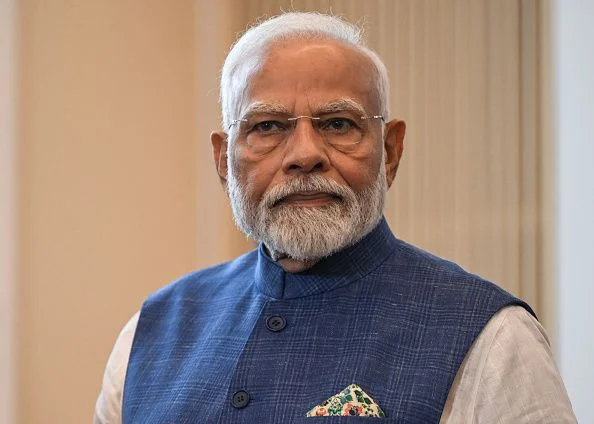
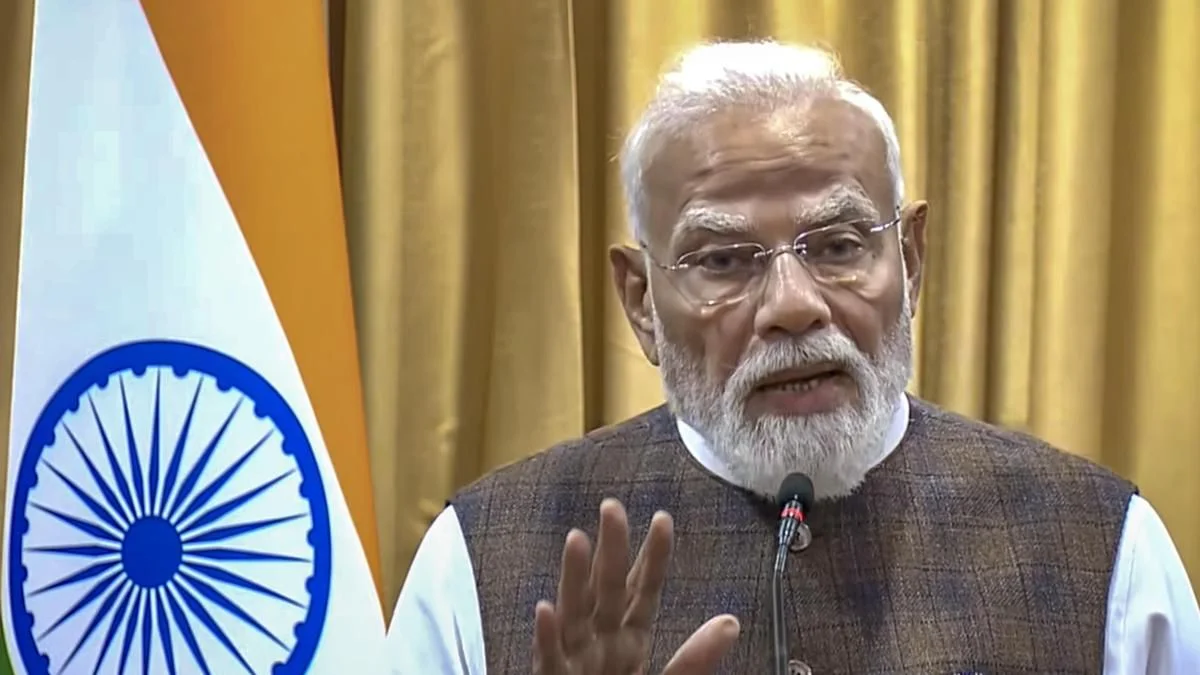
Prime Minister Narendra Modi highly praised the country’s latest achievements in building an Atmanirbhar Bharat, spotlighting major breakthroughs across the national defense sector during his monthly ‘Mann Ki Baat’ broadcast on Akashvani.
The Prime Minister identified June 2026 as a historic moment for the domestic aviation and security industries. He celebrated the initial flight of the locally produced C-295 transport aircraft alongside the successful trial of the Long-Range Land-Attack Cruise Missile (LRLACM).
A total of 40 C-295 planes are currently under construction within national borders. This extensive manufacturing program serves as a massive catalyst for micro, small, and medium enterprises (MSMEs) and the broader aerospace industry, generating substantial employment opportunities.
The inaugural flight of this fleet occurred on June 10. Under a Rs 21,935-crore defense agreement, the Indian Air Force will acquire 56 of these transport aircraft. Tata Advanced Systems Limited is manufacturing 40 units at a specialized Vadodara facility in partnership with Airbus.
Additionally, the Prime Minister announced that the Defence Research and Development Organisation (DRDO) successfully executed a flight test of the indigenous LRLACM earlier this month. The missile was engineered via a joint collaboration between DRDO laboratories and domestic industrial partners.
“From the seas to the skies, our India is becoming increasingly secure and self-reliant,” Modi declared. He emphasized that every critical element of the advanced cruise missile system was engineered and produced domestically.
The Prime Minister also highlighted his recent attendance at a naval event in Kolkata, which marked the formal induction of three state-of-the-art warships. The INS Dunagiri, INS Sanshodhak, and INS Agray were officially integrated into the Indian Navy’s active fleet.
Modi expressed immense satisfaction that the entire lifecycle of these three naval vessels—spanning from initial architectural design to final shipyard construction—was executed completely within India.
Beyond defense milestones, Modi extended his deep appreciation to the public for their overwhelming response to fiscal and resource conservation requests. These measures were urged in response to the ongoing volatile geopolitical conflict in West Asia.
Large numbers of citizens altered their daily habits by adopting carpooling, migrating to public transit networks like buses and subways, delaying overseas vacations, and utilizing organic fertilizers. This collective effort has successfully curbed domestic petrol and diesel consumption.
Furthermore, a growing number of families chose to practice financial conservation by recycling heirloom gold for upcoming weddings instead of buying new jewelry. The Prime Minister thanked the public for turning national solidarity into a powerful tool for navigating global crises.
Modi also lauded community-led environmental and social milestones. He praised biologist Purnima Devi Barman and her “Hargila Army”—consisting of thousands of rural women—for using scientific education to dismantle deeply ingrained superstitions that threatened the rare hargila bird in Assam.
Similarly, conservation groups in Meghalaya received praise for protecting living root bridges, which India is actively proposing for UNESCO World Heritage status. In Madhya Pradesh’s Rajgarh district, women were commended for converting plastic waste into eco-bricks to improve local infrastructure.
Shifting to sports, Modi celebrated the expanding footprint of youth athletics, citing Nagaland’s ‘Baby League’ football program for children aged 5 to 12 and the Women’s Futsal League. He also congratulated India’s athletes for winning 114 total medals, including 102 gold, to top the World Yogasana Championship in Ahmedabad.
The Prime Minister highlighted structural social safety nets, praising Maharashtra’s Pethkar family for funding accident insurance for 3,500 villagers. He noted that the government’s Pradhan Mantri Suraksha Bima Yojana provides up to two lakh rupees of accident coverage to over 58 crore citizens—including 28 crore women—for an annual premium of just twenty rupees.
Similarly, the Pradhan Mantri Jeevan Jyoti Bima Yojana offers two lakh rupees of life insurance coverage for 436 rupees annually. Over 27 crore individuals have enrolled, providing Rs 22,000 crore in total relief to 11 lakh bereaved families.
As major cultural celebrations approach, Modi called on citizens to support local artisans by purchasing eco-friendly Ganesh Chaturthi idols made strictly from local clay, urging buyers to verify the manufacturing origin before purchasing.
Future Outlook
The accelerating momentum of India’s defense production infrastructure signals a permanent shift away from foreign military imports. With massive long-term joint ventures like the Tata-Airbus Vadodara plant fully operational in 2026, India is establishing the industrial foundation required to become a primary global defense exporter. This manufacturing framework will continue to structurally reinforce the domestic MSME network, creating a highly skilled aerospace workforce over the next decade.
FAQs
What is the total value of India’s C-295 aircraft contract?
The Indian Air Force signed a Rs 21,935-crore agreement to procure 56 C-295 transport aircraft. While Airbus delivers the initial batch, 40 units are being manufactured domestically by Tata Advanced Systems Limited in Vadodara.
What defense milestones did PM Modi highlight in June 2026?
PM Modi highlighted the maiden flight of the domestic C-295 transport plane, a successful flight test of the Long-Range Land-Attack Cruise Missile (LRLACM) by DRDO, and the formal naval induction of three indigenous warships: INS Dunagiri, INS Sanshodhak, and INS Agray.
How does the Pradhan Mantri Suraksha Bima Yojana assist citizens?
The government scheme provides up to two lakh rupees of accidental death and disability insurance coverage for an annual premium of twenty rupees. Over 58 crore people are currently enrolled in the safety program.
Why did PM Modi request citizens to alter their spending and travel habits?
The Prime Minister requested voluntary resource conservation measures, such as carpooling, utilizing public transport, and deferring gold purchases or foreign trips, to shield the domestic economy from fuel and economic volatility caused by the crisis in West Asia.