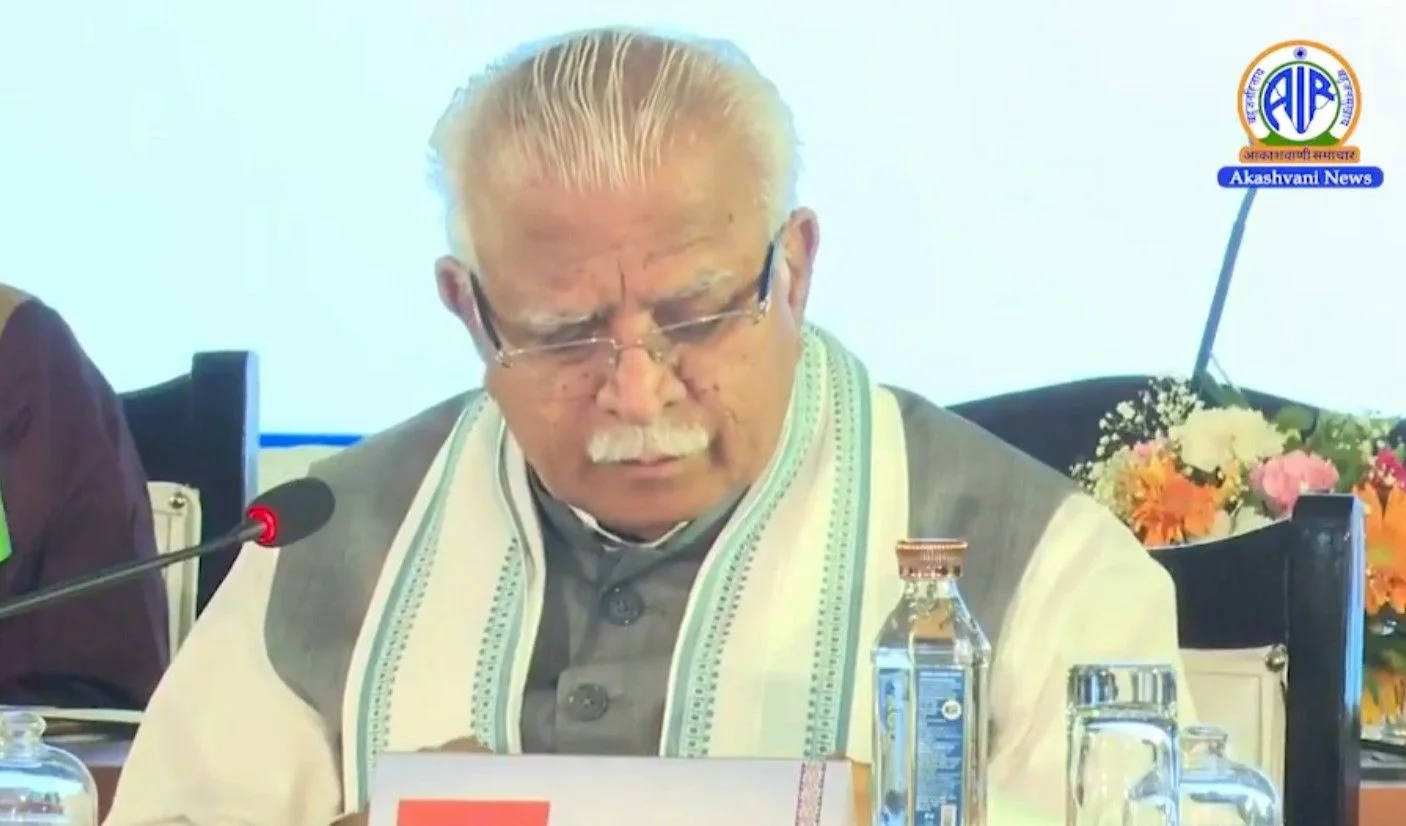
BRICS Energy Ministers Back Resource Flexibility at India Led Summit
India hosted the 11th BRICS Energy Ministers’ Meeting in Gurugram, Haryana, under its 2026 chairship. The high-level convention gathered sector leaders to address systemic global constraints, concluding with a unified accord centered on stabilizing cross-border security, technical innovation, and infrastructure resilience.
Key Highlights
- India convened the ministerial summit under the foundational principle of “Energy for All.”
- Member countries signed a joint declaration preserving national autonomy over green transition timelines.
- New Delhi unveiled a digital smart grid center to coordinate research across member states.
- India confirmed long-term goals including 400 GWh of storage and 100 GW of atomic power.
The Ministry of Power confirmed that the diplomatic gathering assembled international energy ministers and senior policymakers. The delegation finalized the 11th BRICS Energy Ministers’ Joint Communiqué, cementing a mutual commitment to fortify resource protection, infrastructural durability, and institutional skill development.
Union Minister of Power Manohar Lal stated that energy availability drives macroeconomic expansion and social equity. The minister asserted that developing territories require adequate timelines, financial resources, and domestic policy independence to achieve environmental targets while satisfying local civilian needs.
Lal emphasized that global frameworks must respect distinct domestic conditions, developmental agendas, and transition tracks. Detailing the domestic grid expansion, the minister reported that India operates as the third-largest global electrical producer and consumer, maintaining an operational network capacity of approximately 540 gigawatts.
Non-fossil generation platforms now constitute more than half of this domestic structural capacity. Furthermore, India’s utility-scale solar installations surged from approximately 3 gigawatts in 2014 to surpass 154 gigawatts in 2026.
The ministry announced that India’s chairship successfully launched the BRICS Digital Centre of Excellence for Smart Grids and Energy Storage. Operating under the Energy Research Cooperation Platform, this facility allows member states to trade technical data, build institutional frameworks, and co-develop experimental infrastructure.
Delegates formally adopted the BRICS Guiding Principles on Smart Grids and Energy Storage during the session. The alliance also approved advancement metrics for the BRICS Joint Report on Hydrogen Value Chains 2026 to solidify technical coordination in nascent power formats.
Future Outlook
India outlined long-range supply objectives extending into the coming decades. The central government intends to deploy more than 400 GWh of energy storage capacity by 2032 to stabilize its expanding renewable generation infrastructure.
New Delhi also plans to scale its total nuclear generation capability to 100 GW by 2047. Officials confirmed that the state completed its 20 per cent ethanol blending target ahead of schedule, maintaining active leadership inside the International Solar Alliance and the Global Biofuels Alliance.
FAQs
What was the central theme of the 11th BRICS Energy Ministers’ Meeting?
The ministerial summit operated under the comprehensive theme “Building for Resilience, Innovation, Cooperation and Sustainability.” The specific energy track discussions were guided by the traditional ethos of “Energy for All.”
What institutional mechanisms were launched during the 2026 summit?
India’s chairship established the BRICS Digital Centre of Excellence for Smart Grids and Energy Storage. The body also updated the official Terms of Reference for the BRICS Energy Research Cooperation Platform to enhance scientific data transfers.
What are the current operational metrics of India’s power sector?
India controls nearly 540 gigawatts of total installed electrical capacity, making it the third-largest power producer and consumer worldwide. Non-fossil alternatives represent over 50 percent of this aggregate capacity, led by a solar footprint exceeding 154 gigawatts.
Which country will assume the BRICS Chairship for the next energy summit?
The People’s Republic of China will assume the administrative BRICS Chairship for 2027. Member states affirmed their intent to progress cooperative work on affordable, secure, and resilient infrastructure under the incoming Chinese leadership.