Rise of Anti-India Incidents Sparks Alarm in United States
Indian-origin US lawmaker Raja Krishnamoorthi has raised intense concerns regarding the escalation of anti-India hostility across America. The Democratic representative forcefully implored the American public to actively confront discrimination, systemic prejudice, and xenophobic bigotry wherever it surfaces.
Key Highlights
- Congressman Raja Krishnamoorthi sounded the alarm over a surge in targeted anti-India hate incidents across the United States.
- A recent white supremacist demonstration in Frisco, Texas, involved the public destruction of the Indian national flag.
- Lawmakers introduced a formal congressional resolution condemning xenophobic rhetoric that targets Asian-American communities.
- The legislative push directly counters derogatory public statements broadcasting harmful stereotypes about birthright citizenship.
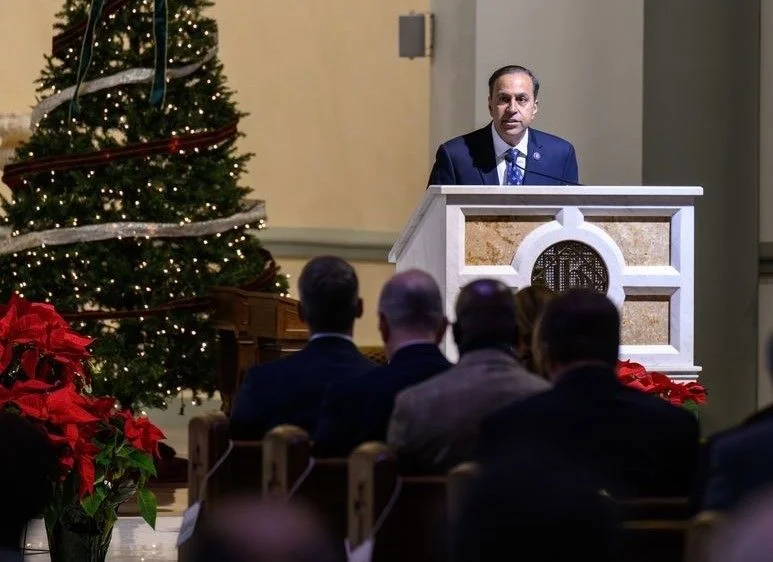
Indian-origin US Congressman Raja Krishnamoorthi has voiced concern on the increase in anti-India hate incidents in the country and urged Americans to stand against bigotry, prejudice and discrimination.
In a social media post on Thursday, June 18, 2026, the Democratic lawmaker cited an incident in Frisco city in Texas where a group of White supremacists shouted anti-India slogans and tore the Indian flag in front of City Hall.
“I want to sound the alarm on the rise of anti-Indian hate in the United States. Just a couple of weeks ago, in Frisco, Texas, a group of white supremacists appeared in front of City Hall and said the following: they said, ‘Go back to India, stop the Hindu takeover of Texas, and you will not replace us’,” said the Congressman from Illinois.
He said hate has no place in the United States.
“I don’t care if it’s directed toward Hindus, Muslims, Jews, regardless of your religion, regardless of nationality. We have to stand shoulder to shoulder against bigotry, prejudice, and discrimination toward anybody. I hope you’ll pay attention to this issue,” the Indian-American lawmaker said.
In May, Krishnamoorthi and other Democratic lawmakers had introduced a resolution in the US Congress condemning President Donald Trump’s amplification of “racist rhetoric” targeting Indian and Chinese Americans.
The resolution, moved by Congressmen Krishnamoorthi and Ted Lieu and Congresswoman Pramila Jayapal, condemned Trump’s amplification on Truth Social of a racist post by radio host Michael Savage attacking birthright citizenship.
According to the resolution, the post used “derogatory language about India and China, questioned immigrants’ loyalty, and trafficked in harmful stereotypes targeting Indian Americans and Chinese Americans”.
The resolution was co-sponsored by Congresswomen Grace Meng and Judy Chu and PIO Congressmen Shri Thanedar, Suhas Subramanyam and Ami Bera.
On April 22, Trump shared excerpts from ‘The Savage Nation’ radio show in which conservative commentator Michael Savage said: “A baby here becomes an instant citizen, and then they bring the entire family in from China or India or some other hellhole on the planet.”
Call for unity against hate
The lawmaker emphasized that manifestations of intolerance targeting any specific group must be rejected collectively by society, spanning across all cultural and national boundaries.
He re-emphasized his stance that prejudice targeting individuals based on their faith or country of origin demands unified public resistance. He expressed hope that citizens would remain highly vigilant regarding these dangerous trends.
Krishnamoorthi has maintained an active stance on this matter within legislative corridors. Recently, he collaborated with congressional colleagues to advance a joint resolution challenging the distribution of inflammatory rhetoric directed at Asian minorities.
The legislative measure spearheaded by Krishnamoorthi, Lieu, and Jayapal took direct aim at the social media amplification of xenophobic commentary. The underlying text asserted that these actions directly foster hostility against vulnerable immigrant populations.
The legislative document drew strong backing from a broad coalition of lawmakers, including Chu, Meng, Thanedar, Subramanyam, and Bera, who united to denounce systemic bias.
Controversy over social media post
The congressional action stemmed from an online re-share of a conservative broadcast segment. The media excerpt characterized birthright status disparagingly while labeling ancestral nations with highly offensive terminology.
Democratic representatives argued heavily that such public signaling directly legitimizes harmful biases, creating hostile environments for immigrant groups nationwide.
Historical Context
The warning from lawmakers arrives amidst heightened scrutiny over minority safety in the United States. Over the last decade, civil rights organizations have tracked fluctuating waves of nationalist rhetoric, which frequently correlates with measurable spikes in localized hate crimes. The multi-ethnic coalition formed by modern legislators mirrors historical civil rights alliances aimed at codifying protections for diaspora communities facing sudden surges in public hostility.
FAQs
What specific incident triggered the warning from Congressman Krishnamoorthi?
Congressman Raja Krishnamoorthi highlighted a white supremacist gathering outside City Hall in Frisco, Texas, where participants shouted anti-India slogans and destroyed an Indian flag.
What legislative action did US lawmakers take against anti-Asian rhetoric?
Democratic lawmakers introduced a congressional resolution officially condemning the dissemination of racist rhetoric and harmful stereotypes targeting both Indian-American and Chinese-American communities.
Which legislators co-sponsored the anti-bigotry resolution?
The resolution was spearheaded by Raja Krishnamoorthi, Ted Lieu, and Pramila Jayapal, with co-sponsorship from Grace Meng, Judy Chu, Shri Thanedar, Suhas Subramanyam, and Ami Bera.
Why are lawmakers concerned about social media amplification of these messages?
Lawmakers argue that sharing derogatory commentary on major media platforms validates harmful biases, undermines the perceived loyalty of immigrants, and escalates targeted hostility.