India Maintains Strategic Autonomy Amid Shifts in US-Russia Ties
Ancient Indian philosophies emphasizing non-aggression and universal unity continue to shape the nation’s contemporary geopolitical standing. New Delhi maintains its core diplomatic values while adapting to evolving global alignments and building a robust framework for national self-defense.
Key Highlights
- India leverages strategic autonomy to navigate relationships with competing superpowers.
- The nation emphasizes bilateral cooperation to protect its security and economic interests.
- Strong defensive capabilities are being built through a focus on economic and military self-reliance.
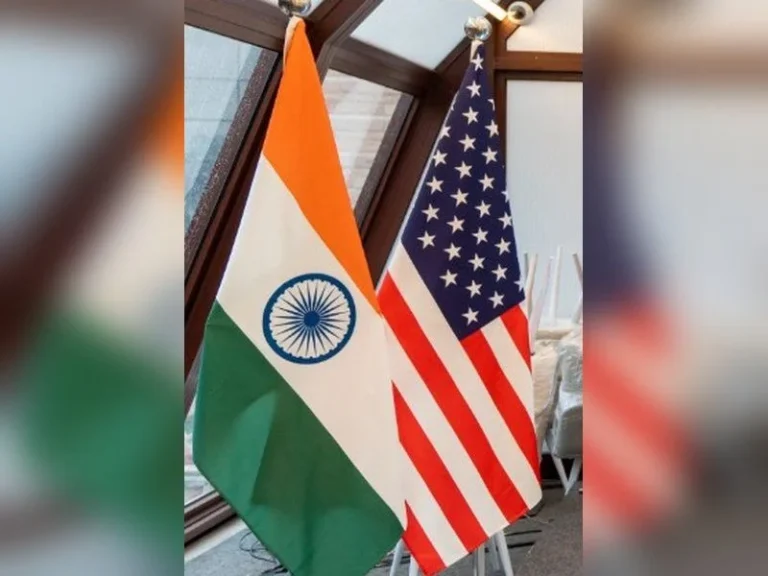
- Balancing partnerships with Washington and Moscow remains central to India’s foreign policy.
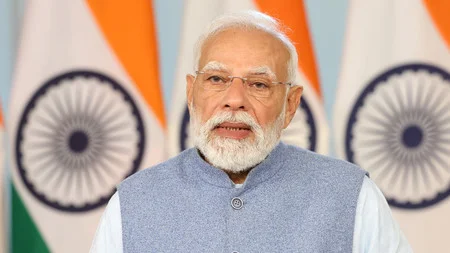
Independent India initiated its global diplomatic journey by championing universal friendship. Decades later, Prime Minister Narendra Modi reinforced this philosophy by promoting the concept of a shared global family during the G20 summit in Delhi in September 2023.
This foundational philosophy underscores peaceful coexistence rather than absolute pacifism. Under the current administration, India prioritizes self-reliance to build defensive capabilities designed to deter potential adversaries.
Simultaneously, the country pursues bilateral ties to advance mutual security and economic agendas. This strategy focuses on resolving military conflicts peacefully and addressing humanitarian crises worldwide.
New Delhi operates under the belief that it can advocate for global peace within a multipolar world without joining formal military alliances. This diplomatic framework has consistently yielded strategic advantages for the country.
The effectiveness of this foreign policy approach is visible in recent international assessments, including the US National Security Strategy issued by President Donald Trump on December 5. While the document emphasized localized economic priorities, it highlighted the strategic value of the Indo-Pacific.
The US policy framework acknowledged India’s role in maintaining regional security through the Quad alliance. This acknowledgment positioned the grouping as a critical mechanism to balance regional influence.
While Washington has occasionally engaged with Islamabad, the US administration primarily referenced Pakistan regarding previous mediation claims during the bilateral standoff in May. The American leadership sought validation for these diplomatic efforts.
Although differences over historical claims exist, Washington continues to recognize New Delhi as a major player in global development. Furthermore, bilateral discussions remain focused on navigating complex trade and tariff negotiations.
India maintains that commercial competition should not escalate into diplomatic conflict. This principle of prioritizing bilateral agreements to secure domestic interests is consistently applied to its interactions with Washington, preserving national autonomy.
While relations with the US fluctuate between strategic partnership and transactional diplomacy, recent high-level engagements with Moscow have provided a critical geopolitical counterweight. The framework helps stabilize New Delhi’s position on the global stage.
The Russian leadership visited India at a time when Western nations urged a reduction in Russian energy imports. These external pressures sought to weaken Moscow’s economic capacity during the ongoing conflict in Ukraine.
Prime Minister Modi characterized the bilateral bond as an enduring and stable partnership. Concurrently, Moscow affirmed India’s status as a vital collaborator in technology, trade, and investment.
The Kremlin committed to maintaining consistent fuel supplies to support India’s economic expansion. This assurance implicitly encouraged New Delhi to look past external tariff and trade pressures.
Regarding the conflict in Europe, Moscow indicated it is exploring peaceful resolutions through various intermediaries, including Washington. The Russian leadership maintains a distinct dialogue with the US administration.
The Indian foreign ministry noted that economic synergy remained the primary driver of recent bilateral talks. Both nations secured mutual benefits, enhancing overall international equilibrium and regional stability.
By avoiding formal alignments with traditional superpowers, India has strengthened its role as a leading voice for the Global South. This position is leveraged effectively within regional forums like ASEAN.
This neutral stance allows New Delhi to offer constructive input on major global conflicts, including the situation in Ukraine and hostilities in Gaza. The approach emphasizes mediation and humanitarian support.
However, security agencies remain vigilant regarding regional adversaries, particularly cross-border threats and terrorism. Concerns persist over strategic alliances formed between neighboring states that impact national borders.
India participates actively in plurilateral forums like BRICS and the Shanghai Cooperation Organisation. Concurrently, it remains ready to strengthen its role in the Quad to counter maritime assertiveness and ensure a rules-based order in the Indo-Pacific.
The government monitors maritime movements in the Indian Ocean closely. The administration emphasizes economic and military self-dependence to safeguard its strategic choices.
The current global landscape shows signs of renewed major-power competition, with rapidly expanding economic and military capabilities altering traditional balances. Strategic partnerships between major northern powers further complicate the geopolitical environment.
Evolving foreign policy doctrines and shifting regional influences contribute to a more polarized international framework. These dynamics alter traditional security models across both hemispheres.
Adjustments in Western alliance commitments reflect a growing reluctance to fund distant international projects. This shift has altered diplomatic engagements in active conflict zones.
Despite external economic pressures, India maintains balanced relations with competing global powers. The nation continues to emphasize that the current era must focus on development rather than armed conflict.
Concurrently, New Delhi refines its defensive strategies to counter coordinated regional challenges. Managing complex border dynamics and security axes remains a top priority for national defense planners.
FAQs
What is India’s approach to strategic autonomy?
India’s strategic autonomy involves pursuing independent bilateral relations that serve its security and economic interests without joining formal military alignments with major superpowers.
How does India balance its relations between the US and Russia?
India maintains strong economic and technology ties with Russia, including energy imports, while simultaneously cooperating with the US on Indo-Pacific security through frameworks like the Quad.
What role does the Global South play in India’s foreign policy?
India positions itself as a major advocate for the Global South, leveraging its non-aligned status to represent developing nations in forums like ASEAN, BRICS, and the SCO.