SDP Accuses INEC of Blocking Agents for Ekiti Poll
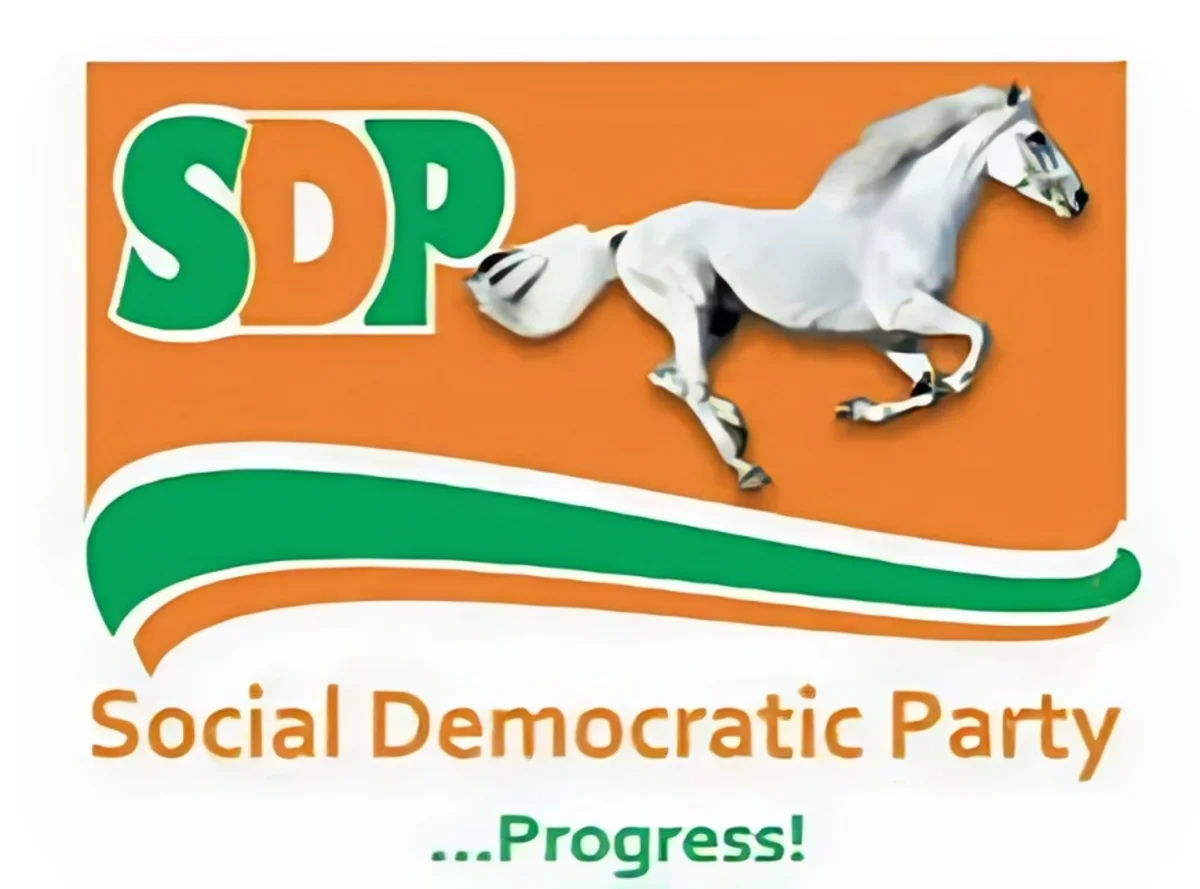
The Social Democratic Party (SDP) accused the Independent National Electoral Commission (INEC) on Friday of blocking the deployment of its polling agents for Saturday’s Ekiti State governorship election. The opposition party simultaneously dismissed widespread rumors suggesting it had pulled out of the democratic contest.
Key Highlights
- The SDP firmly denied rumors of its withdrawal from the Ekiti State governorship race.
- Ambassador Isaac Adebayo Alade remains the official gubernatorial candidate on the ballot.
- The party accused INEC of locking the portal required to upload polling agent details.
- SDP leadership warned that restricting polling agents threatens the credibility of the election.
SDP denies withdrawal from election
The political organization released an official statement through its National Publicity Secretary, Araba Rufus Aiyenigba, labeling the withdrawal rumors as completely fraudulent and deceptive. The communication urged voters, loyalists, and citizens to ignore the misinformation, which it claimed was designed to spark panic before voting begins.
The national leadership, led by National Chairman Prof. Sadiq Umar Abubakar Gombe and the National Working Committee (NWC), verified that the party remains a legitimate contender. They confirmed that its candidate successfully passed the nomination process and holds official recognition from the electoral umpire.
The statement noted that the Ekiti electorate and the general public can rest assured that the political platform is on the ballot, and Ambassador Isaac Adebayo Alade is actively running in the upcoming gubernatorial race.
Participation in INEC peace accord
The opposition party emphasized that its candidate actively attended and signed the peace pact organized by the electoral commission ahead of the state election. This formal participation serves as definitive proof that the organization remains deeply involved in the political process and is dedicated to an orderly election.
Furthermore, the organization stated that it satisfied all mandatory electoral criteria and actively finalized logistics to station its representatives and supervisors across all designated voting points in the state.
Allegation of blocked agent deployment
However, the political group leveled serious accusations against the commission, stating that authorities disrupted the registration of its field agents despite issuing the required system access credentials. The party noted that while the electoral body provided the necessary login information to upload agent profiles, the digital portal remained non-functional.
The organization stated that INEC officially delivered access codes to its National Secretariat to upload the identities of its voting unit supervisors. Yet, officials at the institutional headquarters declined to open the digital system to facilitate the registration of party representatives for the governorship poll.
The platform maintained that obstructing access to the supervisor registration portal directly threatens institutional transparency and damages citizen faith in the voting exercise.
Concerns over electoral credibility
The political group cautioned that any administrative action blocking a registered party from positioning its field observers creates severe doubts regarding institutional equity and transparency. It stressed that field supervisors are indispensable for tracking voting data and validating that final numbers match the actual ballots cast.
The party stated that intentionally locking out the representatives of a major opposition platform actively damages the integrity of the gubernatorial voting process.
Consequently, the leadership demanded that the electoral body immediately rectify the technical and administrative blockages hindering the system to guarantee equal opportunities for all competing political factions.
Commitment to democratic participation
Reasserting its electoral stance, the organization affirmed its absolute dedication to the Ekiti gubernatorial race, stating its objective is to provide a reliable alternative system of governance for the population.
The organization vowed to persist in its advocacy for transparent, unbiased, and verifiable voting systems as part of its ongoing mission to fortify democratic institutions across Nigeria.
The leadership additionally instructed its voting base throughout Ekiti State to remain peaceful, law-abiding, and fully mobilized for the 2026 exercise, promising to utilize all lawful channels to protect its right to participate.
History of Ekiti Gubernatorial Elections
The Ekiti State governorship election has historically been a highly contested battleground in Nigerian politics. Since the return to democracy in 1999, the state has built a reputation for political volatility and shifting allegiances, rarely re-electing an incumbent party for consecutive terms. This political environment heightens the importance of polling agents, who serve as the frontline defense against electoral malpractice. In past cycles, disputes over electronic transmission of results and portal access have led to prolonged litigation at the election petitions tribunal, making digital transparency a central issue for opposition parties seeking to challenge the status quo.
FAQs
Is the SDP participating in the Ekiti governorship election?
Yes. The party has officially confirmed that it has not withdrawn from the race. Its gubernatorial candidate, Ambassador Isaac Adebayo Alade, is fully cleared and remains on the ballot for the upcoming election.
Why is the SDP complaining about INEC?
The party alleges that officials at the national headquarters failed to activate the digital portal required to upload the names of its polling agents. While access codes were provided, the system remained locked, preventing the party from registering its field supervisors.
What are polling agents and why do they matter?
Polling agents are official party representatives stationed at voting units to monitor the election process. They ensure compliance with guidelines, track balloting tallies, and safeguard transparency to verify that final results accurately reflect citizen votes.