Taiwan Han Kuo-yu Washington Visit US Arms Package TSMC
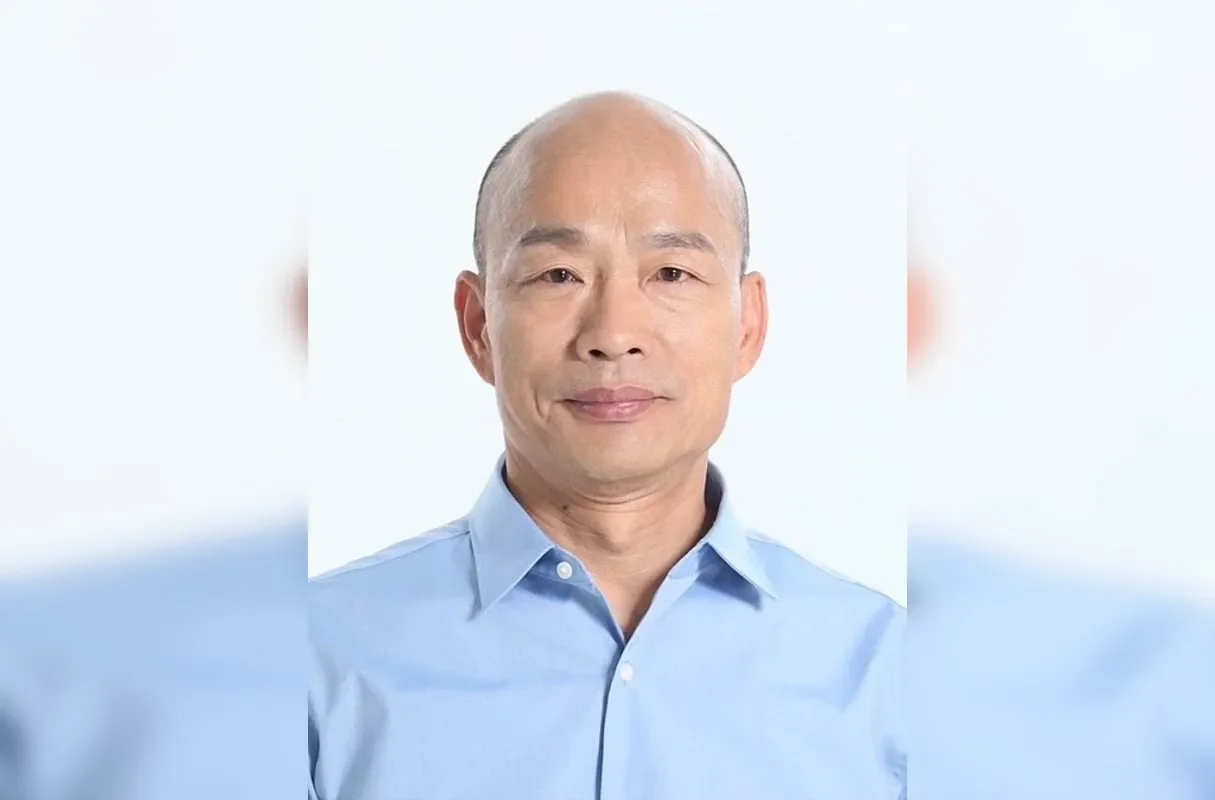
A high-profile congressional reception welcomed Taiwan Legislative Speaker Han Kuo-yu to Washington on Wednesday, intensifying bipartisan pressure on the White House regarding a stalled $14 billion security assistance package. The visit underscored the strategic intersection of semiconductor supply chains and island deterrence.
Key Highlights
- More than 30 US House representatives gathered to signal unwavering, bipartisan solidarity with Taiwan.
- Lawmakers sharply criticized delays surrounding the pre-approved $14 billion military sales package.
- Legislative Speaker Han Kuo-yu linked advanced tech manufacturing directly to international security cooperation.
- The diplomatic tour concluded alongside the launch of a new direct aviation link between the two capitals.
Capitol Hill Reception
An influential delegation of more than 30 House lawmakers gathered inside the Longworth House Office Building on Wednesday to welcome Han Kuo-yu, the president of Taiwan’s Legislative Yuan. The cross-party assembly seamlessly mixed strategic trade discussions, democratic solidarity, and regional security initiatives.
High-profile political figures, including House Speaker Emerita Nancy Pelosi, Representative Michael McCaul, and Representative Ted Lieu, actively attended the crowded reception. McCaul expressed deep affection for the island, explicitly affirming absolute American commitment to the visiting speaker.
Pelosi stressed that legislative solidarity across both chambers and political parties remains entirely unified. She emphasized that the relationship guarantees regional stability and protects vital commercial shipping lanes. Lawmakers used the photo opportunity to explicitly signal that Congress will not permit island defense assistance to languish.
Arms Package In Limbo
The congressional reception occurred amid mounting anxiety regarding a $14 billion defense package currently held up by the executive branch. The extensive military hardware agreement remains stuck under formal administrative review following a high-stakes presidential voyage to Beijing.
Congress granted preliminary authorization to the security package months ago, but White House officials continue assessing delicate regional diplomatic balances. Democratic senators met with the eight-person parliamentary delegation earlier on Wednesday to demand immediate implementation of the arms transfer.
The lawmakers issued an official statement reaffirming their duty to provide defensive weapons to counter escalating coercion from the People’s Republic of China. Federal statutory guidelines legally mandate that Washington supply Taipei with sufficient military hardware to successfully resist potential external aggression.
The executive administration has implied that the defense acquisition could serve as a potential diplomatic bargaining chip. However, Secretary of State Marco Rubio clarified that underlying American policy toward the island remains firm. Representative Lloyd Doggett strongly rejected treating the democracy as a negotiating tool, demanding immediate weapon deliveries.
TSMC And Trade Ties
The Taiwanese delegation arrived in the capital following a strategic tour of the Taiwan Semiconductor Manufacturing Co. campus located in Phoenix, Arizona. The desert manufacturing facility manufactures highly advanced microchips that are fundamentally crucial to powering the current artificial intelligence industrial boom.
The industrial site illustrates how deep tech capabilities keep the island central to American economic infrastructure and national defense supply chains. Han highlighted these surging commercial ties, noting that the island has officially overtaken Germany as the fourth-largest trading partner of the United States.
What Han Asked For
During his formal remarks, Han thanked American lawmakers for centuries of democratic achievements while emphasizing shared values of freedom and institutional representation. He noted that both societies shoulder reciprocal responsibilities to maintain macroeconomic stability and Western Pacific peace.
The legislative leader openly asked for congressional assistance to help the island secure greater integration into international organizations. Han noted that the democracy feels isolated on the global stage, given that merely a dozen sovereign nations maintain formal diplomatic recognition with Taipei.
Beijing systematically blocks the island from participating in critical international bodies such as the World Health Organization. American lawmakers responded by explicitly tying these diplomatic hurdles to a broader strategic imperative for expanding comprehensive bilateral ties.
Route Home And The Signal
The delegation is scheduled to conclude its tour by boarding an inaugural nonstop flight operated by EVA Air. The new commercial route connects Washington Dulles International Airport directly with Taiwan Taoyuan International Airport starting June 26, 2026.
The direct aviation link significantly optimizes transit efficiency for corporate executives and government officials while functioning as a physical manifestation of tightening geopolitical ties. While the visit’s ultimate impact on the stalled $14 billion arms deal remains uncertain, the massive congressional turnout confirmed deep legislative support.
History of US-Taiwan Security Ties
The legal bedrock of Washington’s security relationship with Taipei originates from the Taiwan Relations Act of 1979. This domestic law mandates that the United States provide defensive articles and services necessary to enable the island to maintain a sufficient self-defense capability.
Over successive decades, this framework has evolved alongside the island’s emergence as a global technological powerhouse. The current legislative push to clear the $14 billion backlog reflects deep-seated congressional concern that shipping delays undermine deterrence against rapid military modernization across the Taiwan Strait.
FAQs
Why is the $14 billion arms sale package currently delayed?
The package is undergoing executive review following a presidential trip to Beijing. Administration officials are assessing broader regional diplomatic considerations, though some lawmakers express concern that the security assistance is being utilized as a strategic bargaining chip.
What role does TSMC play in US-Taiwan relations?
Taiwan Semiconductor Manufacturing Co. is a cornerstone of the global tech supply chain, manufacturing advanced microchips necessary for artificial intelligence and national security infrastructure. Its ongoing expansion in Arizona reinforces the economic and strategic dependency between Washington and Taipei.
How many countries maintain formal diplomatic relations with Taiwan?
Only about a dozen sovereign governments currently maintain official diplomatic ties with Taiwan. Beijing systematically uses its geopolitical influence to isolate the island globally and restrict its membership in international bodies like the World Health Organization.