Right-Wing Populist Abelardo de la Espriella Leads Narrowly in Colombia Runoff
Right-wing populist political newcomer Abelardo de la Espriella secured a razor-thin advantage in Colombia’s presidential runoff election. Preliminary tallies indicate a narrow lead over left-wing lawmaker Iván Cepeda, prompting immediate legal challenges from the ruling progressive coalition amid heightened nationwide anxieties regarding domestic security and escalating cartel violence.
Key Highlights
- Right-wing outsider Abelardo de la Espriella leads left-wing candidate Iván Cepeda by 49.7% to 48.7% with 99.9% of ballots processed.
- The progressive opposition is actively contesting the preliminary results across approximately 33,000 voting stations.
- Outgoing President Gustavo Petro alleged vote count irregularities and refused to recognize any official victor until manual audits finish.
- De la Espriella plans an aggressive “iron-fist” security strategy, including constructing 10 mega-prisons and resuming domestic oil fracking.
Preliminary “quick count” data from national electoral administrators shows right-wing populist challenger Abelardo de la Espriella securing a marginal lead in the race for the Colombian presidency.
With 99.9% of the preliminary ballots tabulated, de la Espriella maintains 49.7% of the vote. His left-wing rival, Iván Cepeda, follows closely with 48.7%. The remaining balance of the electorate cast blank ballots.
The exceptionally close margin prevents immediate certification of the final outcome. Electoral officials will conduct a slower, manual recount over the upcoming days. Historically, these initial quick counts accurately forecast final certified totals in Colombia.
Responding to the initial data release, de la Espriella expressed via social channels that a fresh chapter had commenced for the republic. He stated the new era reflects the democratic choice of millions seeking a secure, prosperous nation.
Addressing a gathering of supporters on Sunday evening, Cepeda—a prominent legislator and close ally of outgoing President Gustavo Petro—acknowledged the quick count figures but emphasized that his coalition views them as unofficial and non-binding. His campaign intends to challenge tallies from roughly 33,000 ballot boxes.
Through consecutive social media statements, President Petro asserted that inconsistencies emerged during the preliminary tallying process. He urged public tranquility and declared that neither presidential aspirant could be officially proclaimed victor until verification concludes.
Public safety emerged as the primary driver for voters during this election cycle. The long-standing internal armed conflict in Colombia has intensified, with criminal syndicates and cartels broadening operations across illicit mining zones and narcotic smuggling corridors.
Estimated personnel numbers within these unlawful factions have doubled over the preceding 5 years. This rapid expansion has accelerated regional displacement and worsened public anxiety nationwide.
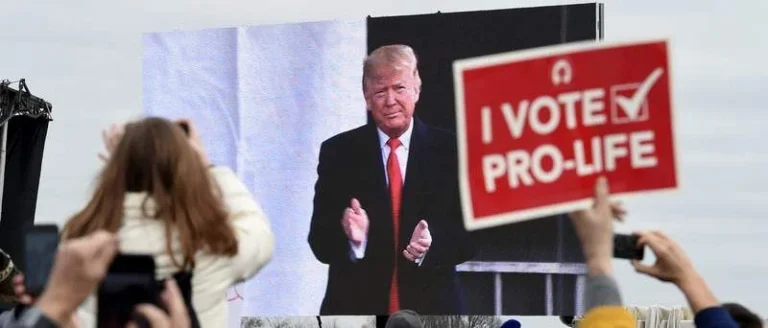
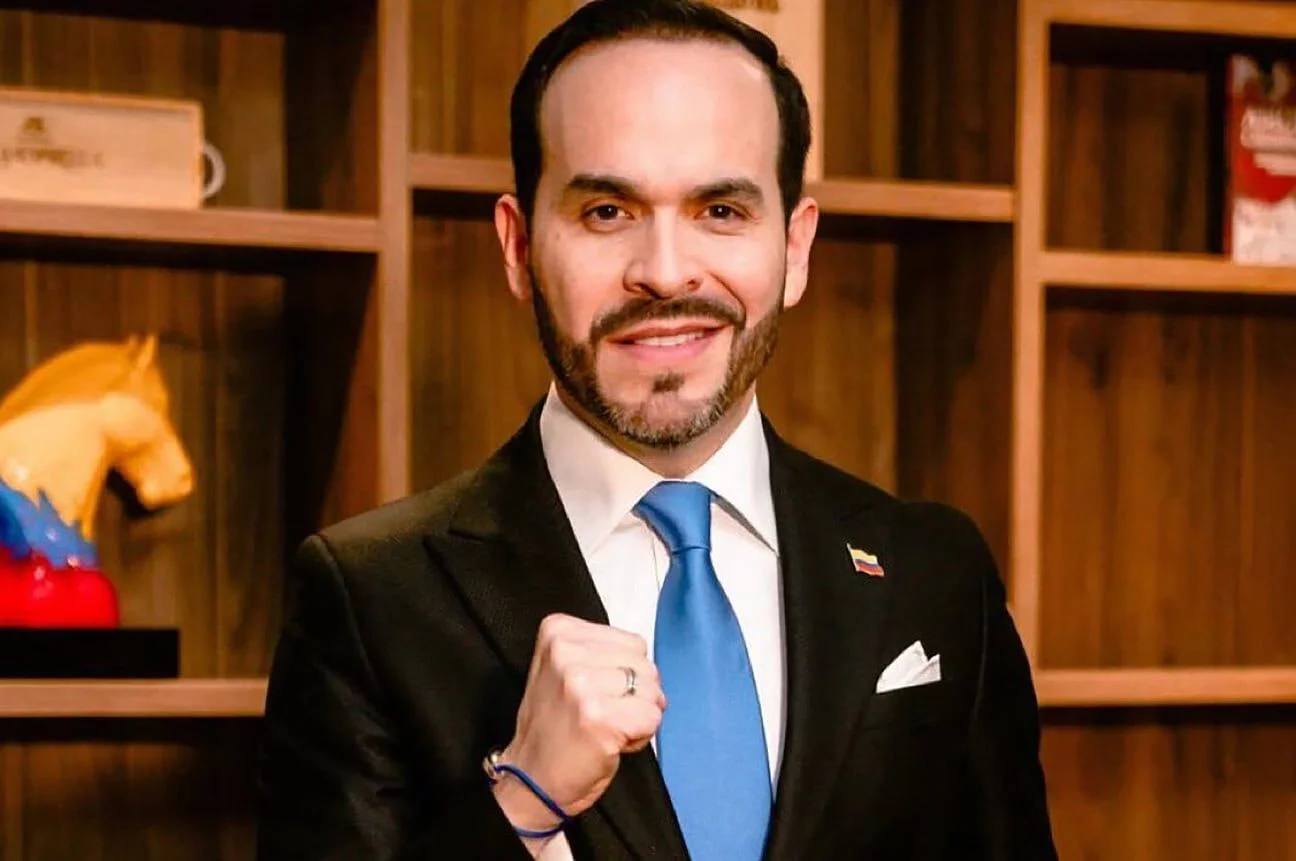
De la Espriella, a wealthy corporate executive and criminal defense specialist, campaigns under the moniker “El Tigre” (The Tiger). Entering politics without prior office holding, he secured a formal endorsement from U.S. President Donald Trump while advocating for a militarized domestic security strategy.
He pledged to launch an immediate military campaign against insurgent factions upon taking office. During a recent broadcast interview, he asserted intentions to execute targeted airstrikes against camps operated by narcotic trafficking organizations.
His platform also outlines plans to intercept drug transport vessels and aircraft, alongside building 10 mega-prisons. Economically, de la Espriella intends to authorize agricultural fracking and rescind the oil exploration moratorium enacted by the Petro administration.
The 47-year-old built his prominent profile and private wealth handling high-stakes legal defense cases for contentious figures. His past clients include the mastermind of an extensive pyramid scheme that defrauded thousands of citizens, and Alex Saab, a business figure linked to Venezuelan leadership who faced U.S. money-laundering charges.
Outside of his legal and political maneuvers, de la Espriella maintains a theatrical public persona. He frequently produces high-budget promotional media featuring himself performing classic tracks like “My Way” in Spanish.
Frequently termed “the devil’s advocate,” he leverages this controversial reputation to expand a multi-industry commercial empire. He maintains a private fleet of luxury vehicles and travels via chartered aircraft. His consumer lifestyle brand markets designer accessories, featuring watches and footwear priced above $1,000.
De la Espriella aims to revitalize diplomatic ties with Washington, which experienced friction during the Petro administration. Following the vote, U.S. President Trump celebrated the outcome on social media, while U.S. Secretary of State Marco Rubio offered early congratulations, projecting strong future bilateral relations.
The narrow election trends align with a broader conservative shift observed across Latin American governance. Right-of-center administrations currently hold power in nations including Argentina, Bolivia, Chile, Costa Rica, Ecuador, El Salvador, Honduras, and Paraguay, while Peru’s recent razor-thin election remains uncertified.
Future Outlook
The confirmed victor of this presidential election will initiate a non-renewable 4-year governing term on August 7, 2026. If de la Espriella’s victory is certified by electoral judges, his administration will face immediate legislative and social friction as he attempts to dismantle the progressive framework instituted since 2022.
Independent analysts note that implementing a Salvadoran-style security apparatus will require massive fiscal reallocations. Additionally, reviving the fossil fuel sector through fracking will likely trigger intense environmental opposition and legal challenges from indigenous communities, setting up a highly polarized governance environment.
FAQs
What are the current results of the Colombian presidential election?
Preliminary electoral counts show right-wing candidate Abelardo de la Espriella holding 49.7% of the vote, while left-wing candidate Iván Cepeda holds 48.7%, with 99.9% of the ballots processed.
Why is the final winner of the election not yet certified?
The extremely narrow margin between the two candidates requires a formal, slow manual recount by electoral authorities over several days before an official winner can be legally declared.
What security policies does Abelardo de la Espriella plan to implement?
De la Espriella has pledged to launch immediate military offensives against guerrilla groups, build 10 mega-prisons emulating policies in El Salvador, and increase tactical operations against drug-trafficking vessels and aircraft.
How big is the security challenge currently facing Colombia?
Domestic security has deteriorated with illegal armed groups and cartels expanding control over drug routes and illegal mining. These illegal factions currently hold more than 27,000 members across the country.