BJP Top Brass Pulls Up Karnataka Leaders Over Legislative Council Cross Voting
The Bharatiya Janata Party central leadership reprimanded its Karnataka state leaders on Tuesday for failing to prevent party lawmakers from cross-voting during recent Legislative Council elections. National leaders indicated that strict disciplinary measures will be implemented against those responsible for the internal lapse.
Key Highlights
- BJP national president Nitin Nabin expressed severe displeasure over the lack of structural precautions.
- Cross-voting enabled the ruling Congress party to secure 151 votes instead of the anticipated 140.
- State leaders dropped a controversial proposal to hold a legislature party meeting at the holy site of Dharmasthala.
- Central leadership is independently identifying the rebellious lawmakers through internal intelligence channels.
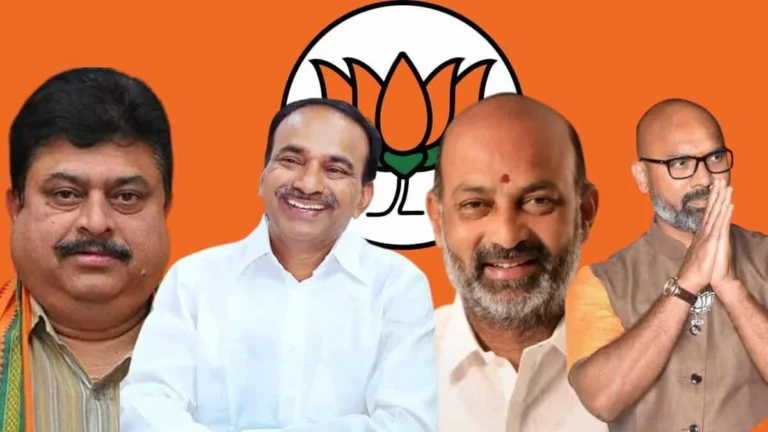
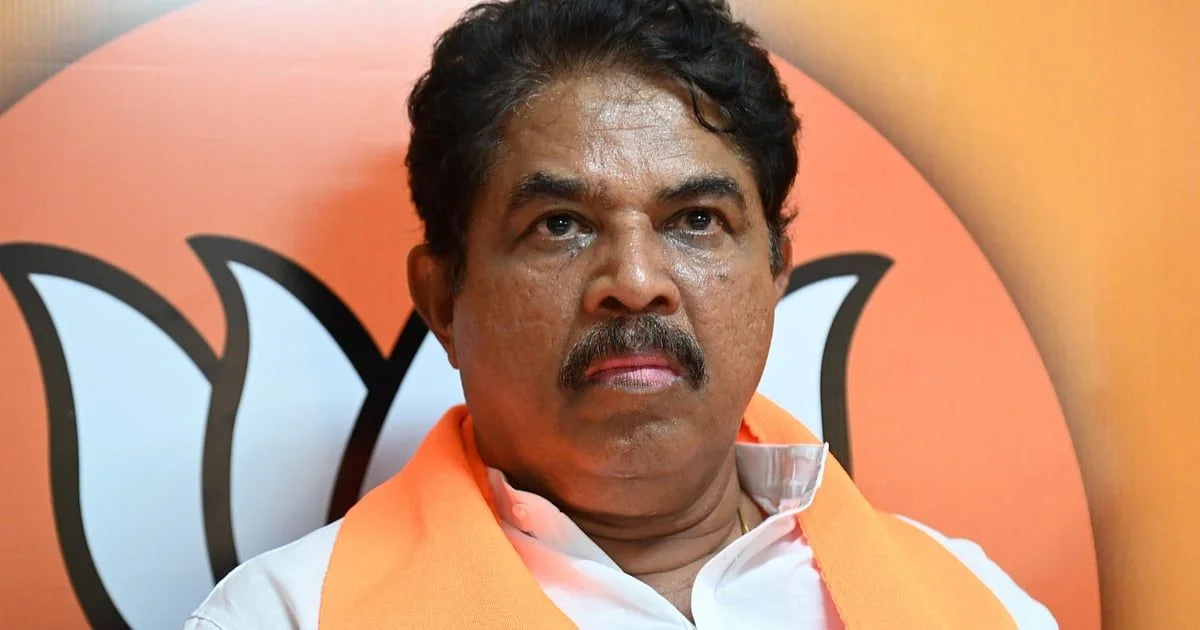
A high-level delegation traveled to New Delhi to meet with BJP national president Nitin Nabin. The group featured Leader of Opposition R Ashoka, state BJP president B Y Vijayendra, assembly whip Doddanagouda Hanamagouda Patil, and Legislative Council whip Ravi Kumar. BJP Karnataka in-charge General Secretary Radha Mohan Das Agarwal also attended.
Sources revealed that Nabin expressed intense dissatisfaction regarding the absence of preventative measures to halt cross-voting. The voting defection caused significant political embarrassment for the saffron party. He commanded the state unit to establish superior coordination and institutional unity moving forward, emphasizing teamwork over internal friction.
The high-level meeting also evaluated the overall state organizational framework. The leaders emphasized the primary strategic objective of securing a victory in the 2028 Assembly elections.
Addressing journalists post-meeting, Ashoka affirmed that the central high command viewed the voting betrayal with extreme seriousness. The national president instructed the state delegation to defer the disciplinary resolution to central authorities, promising that the party will penalize those who defected.
Ashoka further stated that Nabin provided unambiguous instructions to fortify the local organization and maintain absolute structural cohesion. He characterized the high-level consultations as productive, noting that the national president offered strategic guidance.
During the ballots cast last week, the ruling Congress party captured five out of seven MLC seats. The BJP managed to secure only two seats, while its alliance partner, the JD(S), finished with zero victories. Internal reports indicate that rogue BJP and JD(S) legislators boosted the Congress tally to 151 votes, which is 11 votes higher than their projected baseline of 140.
When questioned if federal leaders pinpointed the specific cross-voters, Ashoka stated that the high command withheld explicit identities. Instead, central leaders requested the state unit to forward all available localized intelligence.
Vijayendra added that national managers possess independent intelligence networks to expose the compromised lawmakers.
Furthermore, Ashoka clarified that the delegation held no consultations with central authorities regarding a proposed state legislature meeting at Dharmasthala. He announced that the plan was completely abandoned after discussions with veteran party leaders. He asserted that Dharmasthala must remain exclusively a sacred spiritual destination, noting that the party would resolve the internal voting dispute through standard political channels.
Political disputes in Karnataka have frequently seen leadership failures deflecting accountability by seeking divine intervention. Turning religious temples into platforms for resolving secular political crises undermines civic systems.
Vows and oaths before deities are historic traditions in Karnataka, typically utilized when modern legal frameworks fail to validate a person’s integrity. This system relies entirely on individual conscience and faith, under the theological belief that false testimony brings divine retribution.
However, political factions routinely exploit these sacred beliefs for partisan leverage. In 2011, a prominent oath dispute erupted between B.S. Yediyurappa and H.D. Kumaraswamy. Similar religious standoffs have occurred between Haratalu Halappa and Belur Gopalakrishna, K.M. Shivalingegowda and N. Ravikumar, as well as Lakshmi Hebbalkar and C.T. Ravi.
These historical temple confrontations rarely resolved the underlying political gridlock. Instead, they compromised the sanctity of public traditions. The recent proposal by the state leadership to utilize Dharmasthala represents another highly inappropriate application of this practice.
Historical Context
| Year | Involved Political Leaders | Disputed Context / Venue |
|---|---|---|
| 2011 | B.S. Yediyurappa vs. H.D. Kumaraswamy | Truth verification showdown at holy temple |
| Mid-Era | Haratalu Halappa vs. Belur Gopalakrishna | Political integrity dispute via traditional oath |
| Recent | K.M. Shivalingegowda vs. N. Ravikumar | Inter-party allegations involving divine witness |
| Modern | Lakshmi Hebbalkar vs. C.T. Ravi | Secular rivalry mapped onto religious platform |
FAQs
What triggered the meeting between Karnataka BJP leaders and the national president?
The central high command summoned the Karnataka state leadership to explain structural oversights that permitted party lawmakers to cross-vote during the recent Legislative Council elections.
How many MLC seats did the political parties win in the recent election?
The ruling Congress party won five seats, the BJP secured two seats, and the JD(S) failed to win any seats.
Why was the proposed meeting at Dharmasthala cancelled?
Senior leadership dropped the proposal to keep the holy pilgrimage site separate from internal political disputes, choosing to handle the cross-voting investigation through internal party mechanisms instead.