Global Alliance Against Narcotics: Home Minister Calls for Borderless Strategy
The Indian government has escalated its domestic anti-drug campaigns into a global offensive, demanding an international coalition to dismantle transnational narcotics cartels. Home Minister Amit Shah revealed intensified diplomatic and enforcement strategies to protect the nation’s youth demographic from sophisticated cross-border smuggling networks.
Key Highlights
- India is seeking a global alliance to counter borderless drug trafficking networks.
- BSF and maritime agencies seized historic quantities of methamphetamine in 2025.
- Academic and medical studies show the average age of drug initiation has fallen to 12 years old.
- New counter-narcotics partnerships have been established between India and the United States.
Following successful operations to suppress border terrorism and drastically minimize Left Wing Extremism in Maoist-hit zones, New Delhi has redirected its security apparatus. The administration has initiated an expansive enforcement campaign designed to choke drug supply chains and eliminate substance abuse across society.
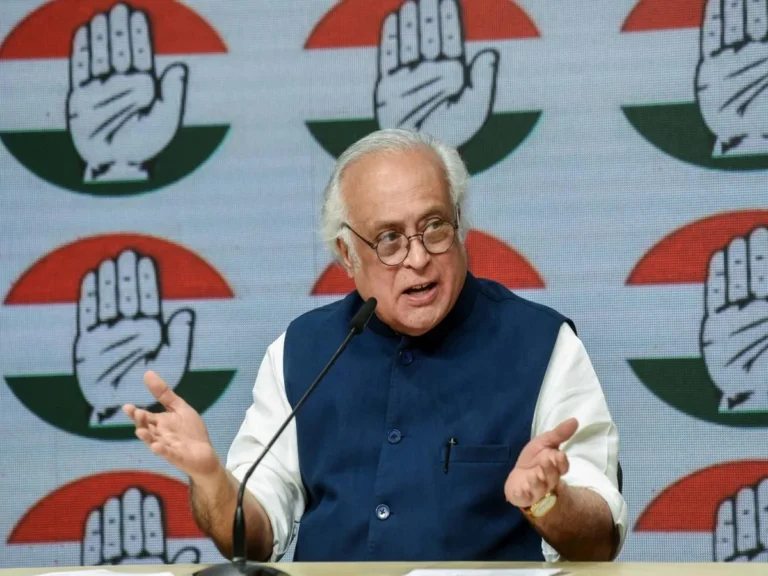
During a recent high-level interaction, Home Minister Amit Shah outlined the strategic shift. Shah stated that India has executed methodical domestic interventions for several years and is now elevating these measures to the global stage. He likened narcotics to terrorism, calling it a global threat.
To advance this operational objective, Shah convened a bilateral meeting with US Ambassador Sergio Gor. The high-level dialogue centered on enhancing counterterrorism cooperation, bolstering border security, and executing joint operations against international drug syndicates. Both officials affirmed that illicit trafficking has evolved far beyond a localized law-and-order problem.
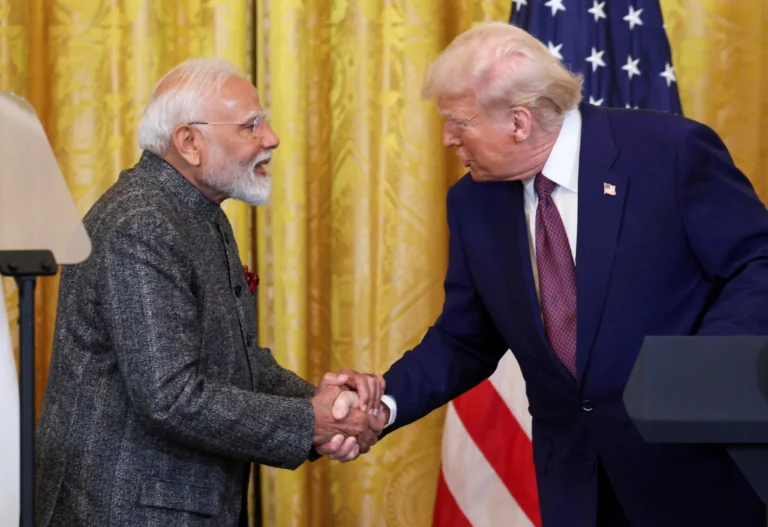
The strategic session between Shah and Ambassador Gor signaled an evolving geopolitical alignment against organized crime. Prime Minister Narendra Modi has routinely elevated narcotics trafficking to a primary agenda item during bilateral summits. This diplomatic push includes direct discussions with US President Donald Trump regarding economic security frameworks.
The urgency of the Shah-Gor meeting underscores India’s geographical vulnerabilities, particularly across the frontline states of Punjab, Rajasthan, and Gujarat. Shah has consistently warned that the intersection of narcotics smuggling and narco-terrorism poses an existential threat. This follow-up builds upon the Joint Drug Policy Working Group convened earlier this year.
India’s internal demographic realities complicate this security equation. The nation currently benefits from a massive youth population, yet this specific segment remains the prime target for international syndicates. The deployment of unmanned aerial vehicles, or drones, across Punjab has introduced unprecedented operational challenges.
Shah emphasized that because contemporary drug networks operate without geographical constraints, a unified global alliance against narcotics is imperative. The Home Minister called for institutionalized real-time intelligence sharing and harmonized legal frameworks. Indian policymakers maintain that isolated national actions cannot permanently disrupt entrenched cartels.
Enforcement metrics reflect an aggressive operational posture. Between 2020 and 2024, a coalition of elite agencies intercepted massive shipments at ports and land borders. This multi-agency front included the Narcotics Control Bureau, Directorate of Revenue Intelligence, Border Security Force, and the Coast Guard.
However, operational data from 2025 confirmed that maritime transit points have emerged as the primary theater for narco-terrorism. Security forces intercepted an unprecedented shipment of methamphetamine valued at Rs 1,800 crore off the coast of Gujarat. A concurrent coastal raid successfully recovered hashish oil valued at Rs 33 crore.
Furthermore, the Indian Navy expanded its interdiction footprint, seizing over 2.5 tonnes of illicit narcotics across the western Indian Ocean. These multi-billion-rupee seizures demonstrate that transnational syndicates are increasingly exploiting oceanic shipping lanes to bypass heavily fortified land borders.
Concurrently, domestic intelligence indicates that narcotics penetration has extended past traditional border corridors and urban criminal rings. Public health officials have raised alarms over the systemic distribution of illicit substances within educational ecosystems, including schools, universities, hostels, and metropolitan nightlife venues.
Epidemiological data validates these structural concerns. A comprehensive multi-city study conducted by the All India Institute of Medical Sciences across 10 urban centers revealed a steep decline in the age of first substance use, with children initiating consumption between 12.9 and 13 years of age.
The AIIMS data revealed that 15% of surveyed students acknowledged experimenting with psychoactive substances. An independent educational survey corroborated these findings, establishing that more than 10% of enrollment blocks across Classes VIII to XII had used illicit substances within the preceding 12 months.
Public health analysts link this accelerating trend to aggressive social media exposure, peer dynamics, domestic stress, and hyper-availability. The vulnerability spikes significantly within university ecosystems, where young adults transition into unsupervised hostel environments and commercial nightlife districts.
Law enforcement agencies are responding to community demands for intervention near academic perimeters. Municipal authorities in Nagpur have ordered institutions to implement strict surveillance, while police forces in Belagavi executed targeted sweeps around college zones, detaining numerous individuals in possession of narcotics.
Field intelligence indicates that cannabis and synthetic compounds are frequently distributed within university neighborhoods. This domestic demand has triggered extensive police operations across premier metropolitan centers, with specialized units executing coordinated raids on luxury hotels, bars, and private estates in Delhi, Mumbai, Bengaluru, Goa, Pune, and Hyderabad.
Narcotics investigators note a clear market shift away from traditional organic opiates like heroin. Current distribution networks prioritize synthetic compounds, including MDMA, LSD, mephedrone, and advanced methamphetamines. These high-potency party drugs are systematically marketed through exclusive nightlife networks and high-profile social circles.
The human toll of this synthetic influx is visible in regional public health metrics. Throughout the 2025 to 2026 fiscal cycle, more than 90,000 individuals registered for clinical intervention under state-managed de-addiction initiatives in Punjab, while independent medical assessments in Kashmir described substance dependence as a critical public health emergency.
Simultaneously, the tourism-dependent economy of Goa remains under intense federal and local surveillance. Grassroots community organizations have intensified pressure on local authorities, citing evidence that international trafficking networks are successfully infiltrating local high schools and youth groups.
The societal consequences of youth dependency extend far beyond individual health metrics. Clinical data links rising addiction rates to collapsing academic performance, high dropout percentages, severe clinical depression, elevated rates of vehicular accidents, and a measurable surge in youth-driven violent crime.
Addiction specialists emphasize that initial recreational experimentation rapidly transitions into physical chemical dependency without early psychiatric intervention. While India has avoided the catastrophic mortality rates of North America’s opioid epidemic, analysts warn that declining initiation ages and synthetic availability could catalyze a similar social crisis.
Addressing this threat requires a synchronized strategy blending strict border interdiction with aggressive domestic demand reduction. This framework demands mandatory school awareness campaigns, expanded university counseling networks, direct parental engagement, and the rapid scaling of professional rehabilitation infrastructure.
India’s primary national security challenge rests on its capacity to shield its ascending generation from organized addiction. If educational leadership, civic society, and federal law enforcement optimize their collective response, the nation can avert the systemic generational disruption observed across several Western states.
Future Outlook
The trajectory of India’s counter-narcotics strategy points toward deep international integration and technological warfare. Moving into the late 2020s, the Ministry of Home Affairs is projected to heavily fund anti-drone border architecture and advanced maritime radar nets to seal the vulnerable Western front.
Diplomatically, New Delhi will likely leverage its position in the United Nations and bilateral forums to enforce strict financial surveillance on precursor chemical manufacturers. The ultimate success of this borderless strategy depends on whether global partners match India’s urgency in sharing real-time intelligence to cripple the financial centers of transnational cartels.
FAQs
Why is India seeking an international alliance against narcotics?
India is pursuing a global alliance because modern drug syndicates operate across international borders using encrypted networks, maritime routes, and unmanned aerial vehicles. Home Minister Amit Shah emphasized that no single country can dismantle these cartels alone, requiring shared intelligence, maritime security coordination, and unified legal structures.
What are the main drug trafficking routes into India according to recent seizures?
The primary trafficking corridors span the land borders of Punjab, Rajasthan, and Gujarat, alongside increasingly active maritime routes. Operational data from 2025 highlights the western Indian Ocean and the Gujarat coast as major fronts, exemplified by a single naval seizure of over 2.5 tonnes of narcotics.
How severe is drug use among Indian students according to medical studies?
An AIIMS study across 10 cities found that the average age of substance initiation has dropped to between 12.9 and 13 years old. Furthermore, 15% of students surveyed admitted to trying psychoactive substances, while another study indicated over 10% of students in Classes VIII to XII had used substances within a year.
What types of narcotics are becoming prevalent in urban Indian centers?
While traditional opiates like heroin persist, urban centers are seeing a massive surge in high-potency synthetic drugs. These include MDMA, LSD, mephedrone, and methamphetamines, which are systematically distributed through nightlife networks, private parties, and high-profile social circles in major metropolitan areas.