Goyal Visits UK to Finalise Trade Deals
New Delhi will advance its global economic footprint as Commerce and Industry Minister Piyush Goyal travels to the United Kingdom to finalise historic bilateral commercial frameworks. The high-level diplomatic mission aims to secure regulatory alignment and expand market access ahead of critical mid-July implementation deadlines.
Key Highlights
- Commerce Minister Piyush Goyal will conduct a high-level diplomatic visit to the United Kingdom from June 25 to June 27, 2026.
- The India-UK Comprehensive Economic and Trade Agreement (CETA) and the Double Contribution Convention (DCC) will officially take effect on July 15, 2026.
- The strategic initiatives seek to elevate total bilateral trade between the two sovereign nations to $120 billion by the year 2030.
- Negotiations will address recent drops in Indian exports alongside efforts to eliminate double social security contributions for temporary professionals.
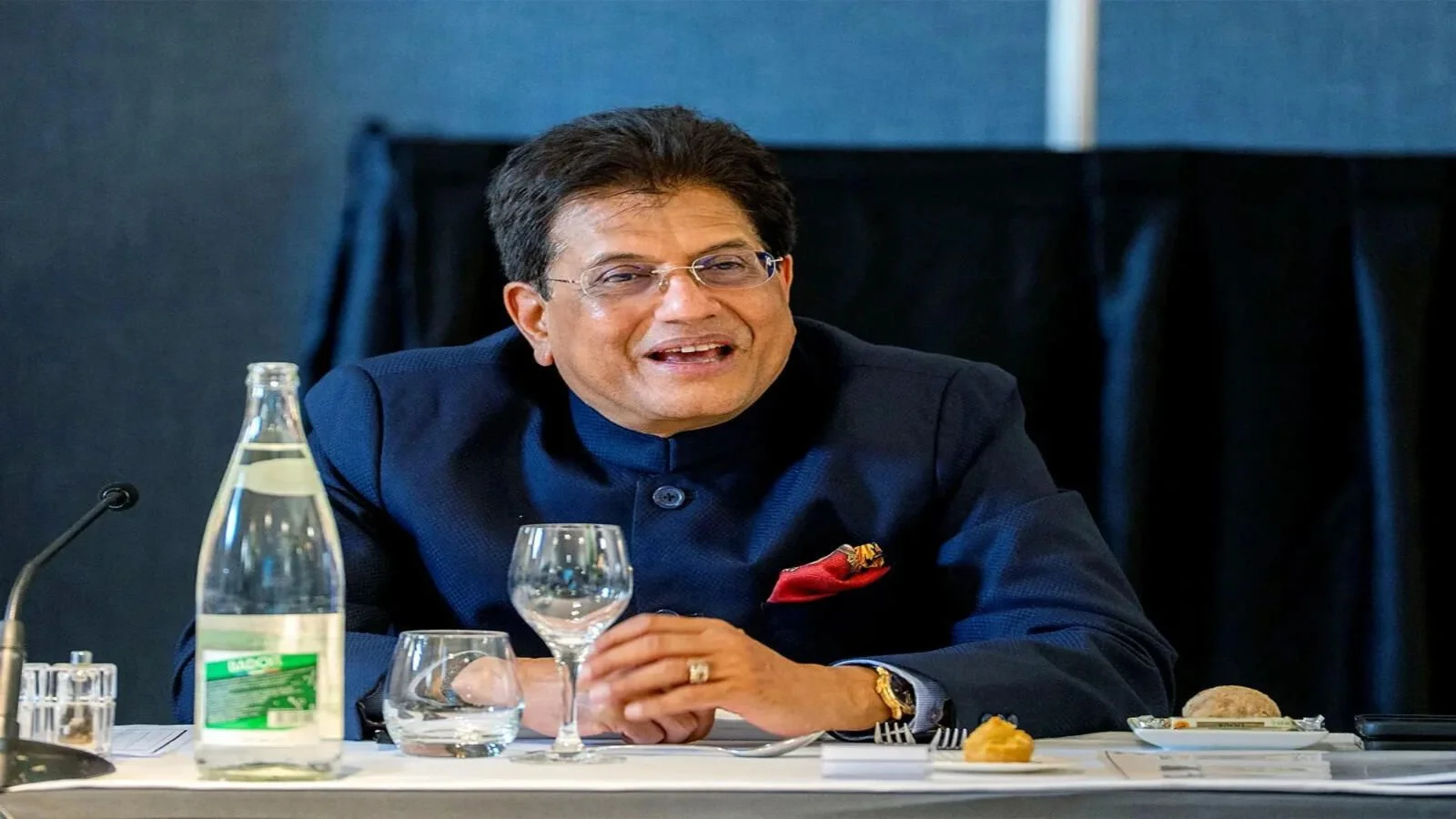
New Delhi: Commerce and industry minister Piyush Goyal will visit the UK from June 25 to June 27 ahead of the entry into force of the India-UK Comprehensive Economic and Trade Agreement (CETA) and the accompanying Double Contribution Convention (DCC) on July 15. During the visit, Goyal will hold a high-level bilateral meeting with Peter Kyle, the UK’s secretary of state for business and trade.
The discussions will focus on aligning regulatory roadmaps, streamlining cross-border customs coordination and finalising administrative mechanisms to ensure the smooth implementation of CETA and the DCC, the government said on Wednesday.
“The ministers will review preparedness for the implementation of CETA’s tariff liberalisation commitments, which will provide enhanced market access opportunities for Indian exports in the UK,” the commerce and industry ministry said in a statement.
The talks will also cover the operational roadmap for the DCC, which is expected to establish a streamlined mechanism for addressing dual social security contribution requirements for eligible temporary workers, supporting greater mobility of professionals and businesses.
The ministry described the engagement as an “important step” towards operationalising the agreements, while safeguarding domestic economic interests and promoting a transparent, rules-based framework for bilateral commerce.
Last week, Prime Minister Narendra Modi and his British counterpart Keir Starmer announced that the two agreements would come into force on July 15, 11 months after they were signed and following the resolution of issues related to the UK’s steel measures.
“The two sides will further discuss the operationalisation of mutual market access commitments across key services sectors and review measures aimed at strengthening bilateral trade and investment ties,” the ministry said.
The visit is also expected to support the two countries’ goal of raising bilateral trade to $120 billion by 2030.
India’s exports to the UK fell 7.6% year-on-year to $13.44 billion in FY26, while imports rose 36.1% to $11.7 billion.
Goyal will also meet senior executives from leading global companies, including HSBC (Global Trade Solutions) and Rolls-Royce, to discuss strategic investments, industrial collaboration and the expansion of manufacturing partnerships in India.
Future Outlook
The operationalisation of CETA and the DCC on July 15, 2026, marks a critical turning point for Anglo-Indian economic relations. As both nations target a $120 billion bilateral trade volume by 2030, the resolution of regulatory friction points and steel tariff disputes sets a stable foundation for corporate expansion. The parallel integration of corporate giants like Rolls-Royce and HSBC into India’s domestic manufacturing ecosystem signals deep, long-term industrial collaboration that extends far beyond simple tariff reductions.
FAQs
What is the purpose of Piyush Goyal’s visit to the United Kingdom?
The Commerce and Industry Minister is visiting the UK to hold high-level bilateral meetings to align regulatory roadmaps, streamline customs coordination, and finalise administrative mechanisms before major bilateral trade pacts go into effect.
When do the India-UK trade agreements officially take effect?
The India-UK Comprehensive Economic and Trade Agreement (CETA) and the accompanying Double Contribution Convention (DCC) are scheduled to enter into force on July 15, 2026.
What is the bilateral trade target for India and the UK?
Both nations have established a shared strategic goal to expand their total bilateral trade volume to $120 billion by the year 2030.
How will the Double Contribution Convention benefit professionals?
The DCC establishes a streamlined administrative mechanism to eliminate dual social security contribution requirements for eligible temporary workers, thereby enhancing professional and business mobility between both nations.