Climate Hazards Threaten $55 Billion In Indian Renewable Energy Infrastructure
A sweeping assessment reveals that the vast majority of India’s upcoming green power infrastructure is highly vulnerable to intensifying environmental dangers. These escalating threats jeopardize billions of dollars in physical assets across the subcontinent as the nation accelerates its transition toward cleaner power generation.
Key Highlights
- 90% of India’s projected green energy installations face severe environmental vulnerabilities.
- Over $55 billion in infrastructure assets are at risk of direct physical damage by 2030.
- Extreme flooding and severe weather threaten 239 gigawatts of generation capacity.
- Asset damage risks cutting power revenue while spiking capital repair costs.
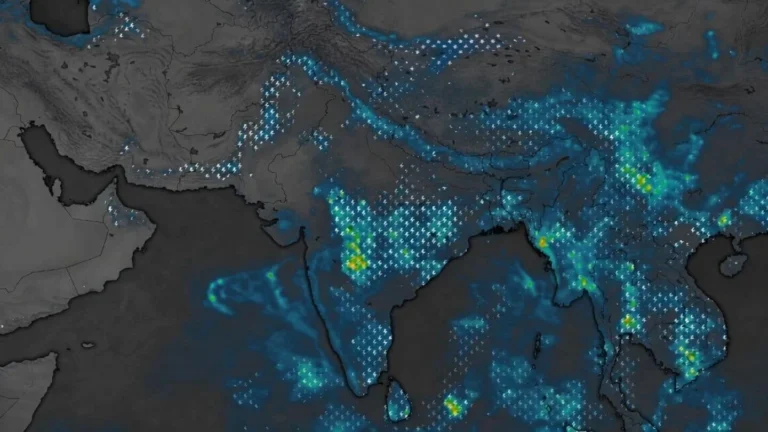
A major portion of India’s projected green power infrastructure will stand in areas exposed to accelerating environmental dangers. This exposure threatens approximately $55 billion in physical assets with severe degradation or destruction by 2030, according to a freshly published study.
Close to 239 gigawatts of proposed solar, wind, and hydroelectric installations spread across 10 Indian states confront extreme vulnerabilities. This capacity represents roughly 90% of the nation’s planned pipeline, which faces compounding threats from severe weather, including devastating floods, Zurich Insurance Group AG noted in its report.
These climate disruptions directly damage corporate financial health, noted Mark Fletcher, the head of Asia Pacific resilience solutions for Zurich Insurance Group AG, during an official interview.
Declining solar panel efficiency translates directly into diminished power production and falling revenue, Fletcher explained. Furthermore, if severe winds collapse wind farms and destroy multiple turbines, operators face immediate business interruptions alongside heavy capital expenditures to repair the damaged assets.
The analytical data highlights the immense hurdles confronting India as the world’s third-largest greenhouse gas emitter attempts to overhaul its massive utility grid. These vulnerabilities surface even as the government achieves rapid advancements toward its domestic policy goal of expanding non-fossil fuel electricity generation capacity to 60% by 2035.
Future Outlook
The escalating frequency of volatile weather patterns will force Indian clean energy developers to reassess infrastructure engineering standards. As the nation pushes toward its 2035 green targets, financial institutions and insurers will likely demand more rigorous climate-proofing strategies before capital deployment. Failure to harden these assets against extreme flooding and wind events could slow down the pace of foreign investment and complicate India’s broader carbon reduction timeline.
FAQs
What asset value is at risk in India’s renewable energy sector?
Approximately $55 billion worth of physical infrastructure assets are highly vulnerable to damage from escalating climate hazards by the end of this decade.
How much generation capacity is threatened by extreme weather?
Roughly 239 gigawatts of planned solar, wind, and hydropower capacity are exposed to critical environmental threats, representing about 90% of India’s total proposed clean energy pipeline.
Which specific weather hazards pose the greatest risk to these installations?
The infrastructure faces compounding dangers from extreme weather events, with catastrophic flooding and high-velocity winds posing the most significant threats to asset stability and generation efficiency.
What is India’s long-term non-fossil fuel energy target?
India aims to scale up its non-fossil fuel electricity generation capacity to 60% of its total energy mix by the year 2035.