Arunachal Pradesh Floods: Stranded Tourists Airlifted Amid Landslides
Military and civil aviation helicopters executed emergency air evacuation operations in Arunachal Pradesh on Thursday, rescuing dozens of trapped citizens and medical patients. The massive rescue deployment follows destructive flash floods and severe landslides that completely severed regional connectivity and left multiple individuals missing.
Key Highlights
- At least 30 individuals, including vacationers and critical hospital patients, were successfully airlifted from isolated northeastern districts.
- Emergency rescue crews continue localized search operations for four residents missing after a severe cloudburst.
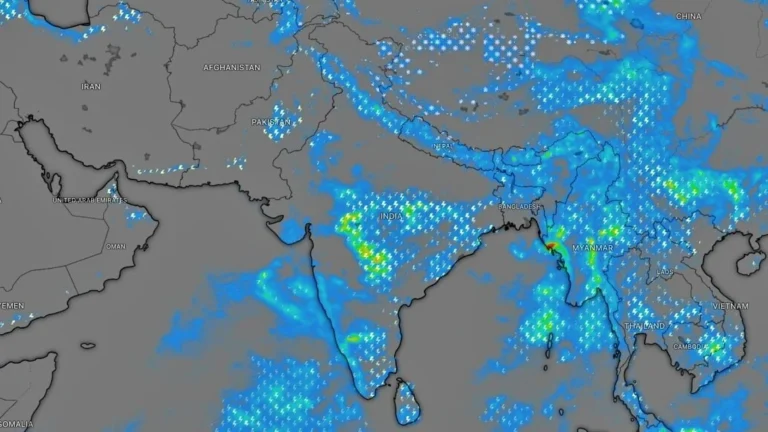
- Excessive precipitation has severely compromised arterial transport networks across six administrative districts.
- Downstream regions in Assam are on maximum alert as rising river systems threaten over 20,000 rural residents.
Emergency aviation crews successfully extracted at least 30 individuals, including trapped vacationers and hospitalized patients, during extensive flooding and massive landslides across Arunachal Pradesh on Thursday. Specialized emergency response units continued aggressive search operations to locate four missing citizens following intense flash floods in the Keyi Panyor district.
According to data released by the state disaster management authority, air crews evacuated 16 stranded residents, one medical patient, and two family attendants from the Keyi Panyor zone. Concurrently, 11 isolated individuals, two acute patients, and one medical helper were rescued from the Lower Subansiri district utilizing Indian Air Force (IAF) and civil aviation assets.
“The administration is continuously tracking the ongoing flood developments and managing regional rescue and assistance maneuvers. Today, 14 trapped vacationers were transferred via air from Ziro to Naharlagun, while the aerial extraction of 11 additional tourists and one medical patient from Daporijo is currently active. A total of 5 helicopter operations have been executed by the Indian Air Force alongside the State Civil Aviation Department. On the ground, two critical road obstructions, including the section by the Possa Bridge, have been successfully resolved, restoring transit access to the impacted zones,” Chief Minister Pema Khandu confirmed on Thursday afternoon.
Critically affected areas
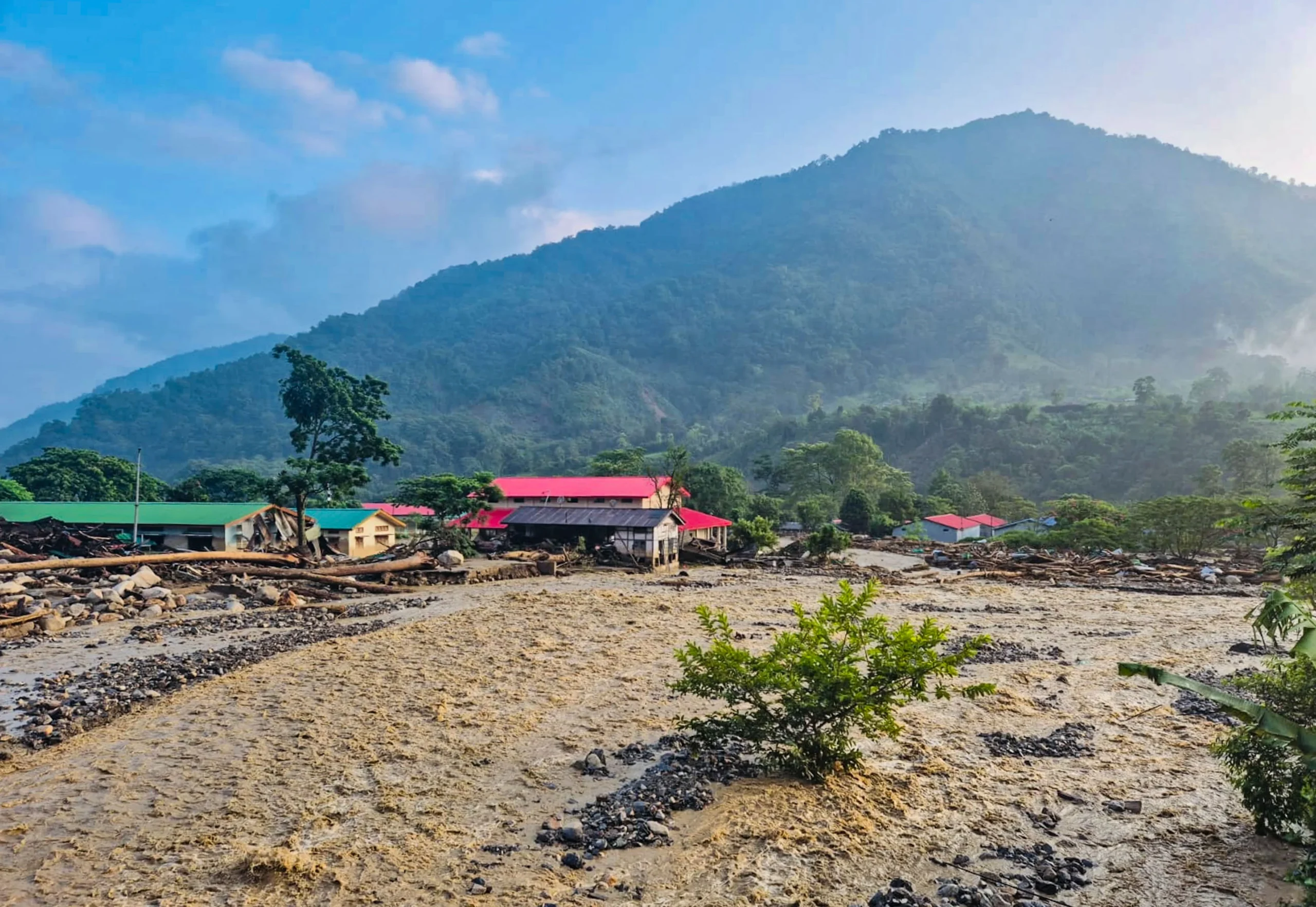
The most severely impacted zone centers on the Keyi Panyor district, which suffered immense devastation from flash flooding on Thursday and remains entirely blocked by heavy landslides in all directions. Although search teams recovered the body of one casualty on Wednesday, four local citizens remain unaccounted for.
According to official briefings from the Keyi Panyor district police, the IAF utilized an aerial drop to position an inflatable rescue craft and three State Disaster Response Force (SDRF) divers near the impact site to bolster rescue maneuvers. A specialized drone detachment has also been deployed to locate survivors and track road clearing operations. However, the state disaster management authority noted that National Disaster Response Force (NDRF) units are currently blocked from entering the impact zone and remain positioned at two standby areas due to extensive structural blockages.
Local administrative officials issued an urgent transit advisory, directing all travelers moving toward or through the districts of Lower Subansiri, Upper Subansiri, Keyi Panyor, Kamle, Kra Daadi, and Kurung Kumey to immediately suspend transit plans. The directive explicitly cited catastrophic structural damage to regional highways stemming from landslides, deep flooding, and complete road erosion.
Environmental Context and Downstream Impact
The catastrophic flash flooding was triggered by an intense cloudburst occurring between June 23 and June 24, 2026. The heavy precipitation caused immediate structural failure in the NEEPCO administrative colony and nearby Poosa village, damaging approximately 50 residential structures. The affected residential zone houses corporate officials managing the Panyor Lower Hydroelectric Project, widely known as the Ranganadi Dam.
Search teams identified the initial fatality as 35-year-old Nirmala Gupta, an active educator at the localized Vivekananda Kendriya Vidyalaya institution. Among the four missing individuals currently being tracked by SDRF, NDRF, and volunteer units is a 13-year-old minor.
The scope of the disaster has expanded past state borders into neighboring Assam. Surging floodwaters originating from the upper catchment areas have entered the Dhemaji district, affecting more than 20,000 residents across 84 rural villages. Regional meteorological centers in Guwahati and Itanagar warned that the cresting river systems will impact Lakhimpur, Biswanath, and Sonitpur over the next 48 hours before traveling toward Dhubri. The surging waters have already inundated 920 hectares of active agricultural land, destroying vital standing crops.
A high emergency alert was declared across Assam’s Lakhimpur region following a rapid volumetric increase in the Ranganadi River. The dangerous spike occurred after upstream operators initiated emergency water releases from the hydroelectric facility. Following executive directives from Assam Chief Minister Himanta Biswa Sarma, emergency departments have been placed on maximum alert to monitor fragile river embankments.
FAQs
How many people have been rescued in the Arunachal Pradesh floods?
Emergency aviation teams have successfully evacuated at least 30 individuals via helicopter. The rescued groups include tourist parties, displaced residents, and several medical patients requiring urgent relocation from the isolated districts of Keyi Panyor and Lower Subansiri.
Which districts are under travel advisories due to landslide damage?
The regional administration has advised against all transit through six specific districts: Lower Subansiri, Upper Subansiri, Keyi Panyor, Kamle, Kra Daadi, and Kurung Kumey. These zones are experiencing extreme road washouts and ongoing landslide activity.
How has the Ranganadi Dam affected the downstream flood situation?
Torrential rain in the upper catchment areas forced the Ranganadi Hydroelectric Project to release excess water reservoir volumes. This emergency release caused river levels to swell rapidly downstream, placing Assam’s Lakhimpur district on high alert and impacting over 20,000 people.