Central Sanskrit University Launches AICTE-Approved BTech in AI and Data Science
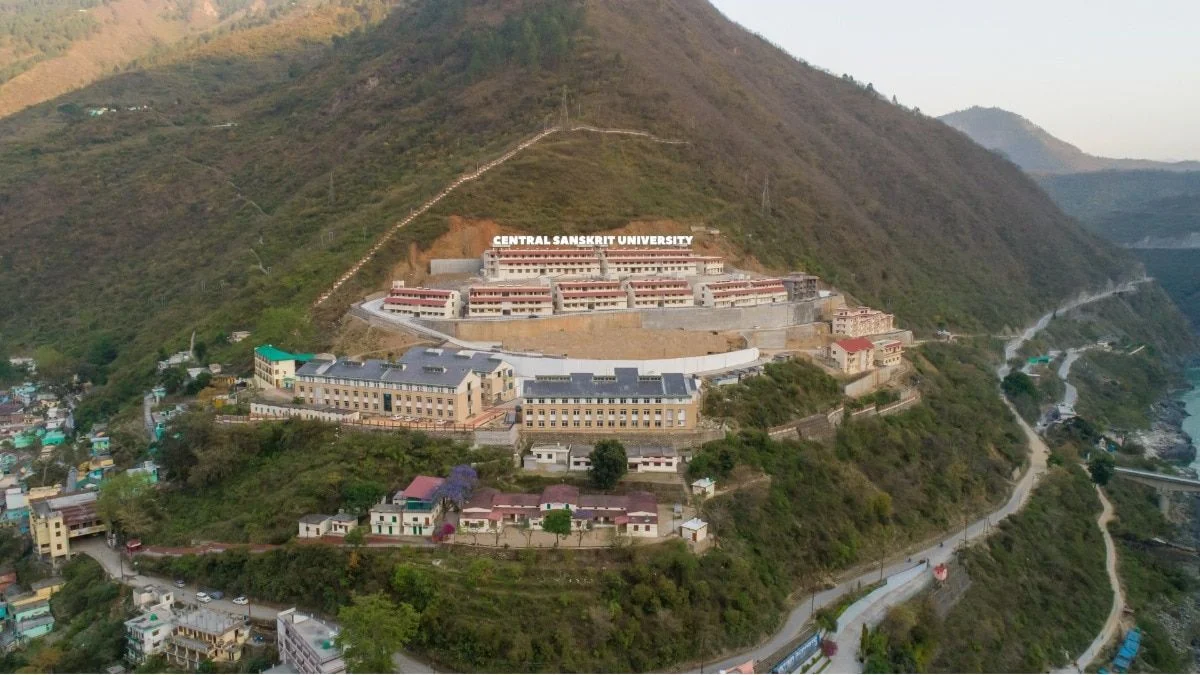
Central Sanskrit University has launched India’s first AICTE-approved BTech in Artificial Intelligence and Data Science at its Nashik campus for the 2026–27 academic year. Praised by Prime Minister Narendra Modi, the program integrates modern technology with traditional Indian Knowledge Systems to digitize ancient texts and build language technology tools.
Key Highlights
- Central Sanskrit University enters engineering education with a unique BTech program combining advanced computing with heritage studies.
- The program is fully approved by the AICTE and commences at the Nashik campus for the 2026–27 academic session.
- Prime Minister Narendra Modi lauded the initiative during his 135th Mann Ki Baat address on June 28, 2026.
- The course offers 66 total seats, focusing heavily on Natural Language Processing and ancient manuscript digitization.
Artificial intelligence is now finding a place alongside one of the world’s oldest languages. In a first-of-its-kind initiative, Central Sanskrit University has launched a BTech programme in Artificial Intelligence and Data Science, marking a new step in combining modern technology with India’s traditional knowledge systems. The programme aims to prepare students for emerging technologies while encouraging research rooted in India’s linguistic and cultural heritage.
Prime Minister Narendra Modi highlighted the initiative during his Mann Ki Baat address, saying it reflects the effort to equip young people with future-ready skills while keeping them connected to their roots.
He said the programme would help develop AI tools for Indian languages and speed up the digitisation and preservation of India’s ancient texts and manuscripts.
The AICTE-approved programme will be offered from the university’s Nashik campus for the 2026–27 academic session. Admissions have already begun, making it one of the first engineering programmes of its kind to be introduced by a Sanskrit university.
WHY IT MATTERS
India is rapidly expanding its AI ecosystem while also investing in the digitisation of its vast collection of manuscripts. Millions of Sanskrit texts remain untranslated or undigitised, limiting access for researchers and scholars.
AI-based tools can assist in document recognition, translation, language processing, knowledge retrieval and digital archiving, making ancient literature more accessible to future generations.
Central Sanskrit University will launch its first B.Tech in Artificial Intelligence & Data Science from the 2026–27 academic session.
It is the first AICTE-approved engineering programme offered by a Sanskrit university in India.
The programme has 66 seats – 60 regular and 6 supernumerary.
Marks the entry of a Sanskrit university into engineering education, in line with the National Education Policy (NEP) 2020.
Combines engineering education with India’s linguistic and knowledge traditions.
Core subjects include Artificial Intelligence, Machine Learning, Data Science, Python, Cloud Computing, Statistics and Deep Learning.
Students will also study Natural Language Processing (NLP), Computational Linguistics, Speech Recognition, Conversational AI, Knowledge Representation and OCR for ancient manuscripts.
Aims to develop AI tools for Sanskrit and Indian languages and strengthen language technologies.
Focus on digitising and preserving ancient manuscripts and classical texts using AI.
Encourages interdisciplinary research linking AI with Indian Knowledge Systems (IKS).
Students will apply AI and computational techniques to Ayurveda, Yoga, Jyotisha, Vastu, Nyaya and other traditional disciplines.
A GROWING FOCUS ON AI
The launch comes as India continues to strengthen its AI ecosystem through investments in research, digital public infrastructure and language technologies.
With increasing demand for AI professionals across industries, the programme offers students an opportunity to pursue a technology-focused engineering degree while contributing to the preservation and digitisation of India’s cultural and linguistic heritage.
Future Outlook
The intersection of computational data sciences and ancient linguistics signals a major shift in heritage preservation. By training engineers who understand classical Sanskrit, the program paves the way for advanced machine translation systems. This computational model can unlock historical insights hidden within untranslated treatises on ancient sciences, mathematics, and philosophy.
Furthermore, the initiative sets a benchmark for other cultural institutions. Prime Minister Modi also praised Nalanda University for reviving the intellectual tradition of Shastrarth debate, urging academic centers across India to blend historical heritage with modern technology. This dual focus supports India’s wider push toward self-reliance across critical scientific, cultural, and industrial sectors.
FAQs
What is the intake capacity for the new BTech program at Central Sanskrit University?
The program has a total capacity of 66 seats. This includes 60 regular seats and 6 supernumerary seats for the academic session.
Where will this specialized engineering course be conducted?
The AICTE-approved BTech in Artificial Intelligence and Data Science will be delivered at the Nashik campus of Central Sanskrit University.
How does this curriculum align with traditional Indian disciplines?
Students will learn core software engineering subjects alongside Natural Language Processing and optical character recognition to apply AI methodologies to classical fields like Ayurveda, Yoga, Jyotisha, and Nyaya.
What did Prime Minister Narendra Modi say about this course?
During his 135th Mann Ki Baat broadcast, PM Modi stated that the course prepares the youth for new-age technology while keeping them deeply rooted in their cultural heritage and accelerating ancient text preservation.