US and Iran Sign Historic Ceasefire Agreement
Washington and Tehran signed a landmark memorandum of understanding on Wednesday, June 17, 2026, establishing a temporary ceasefire framework. This diplomatic breakthrough marks the first formal step toward concluding the intense military conflict ignited by a joint United States and Israeli campaign launched in late February 2026.
Key Highlights
- Historic Accord: The United States and Iran formalized a 60-day interim ceasefire agreement mediated by Pakistan and Qatar.
- Economic Fallout: The conflict triggered severe global inflation after Iran gained effective control of the vital Strait of Hormuz shipping lane.
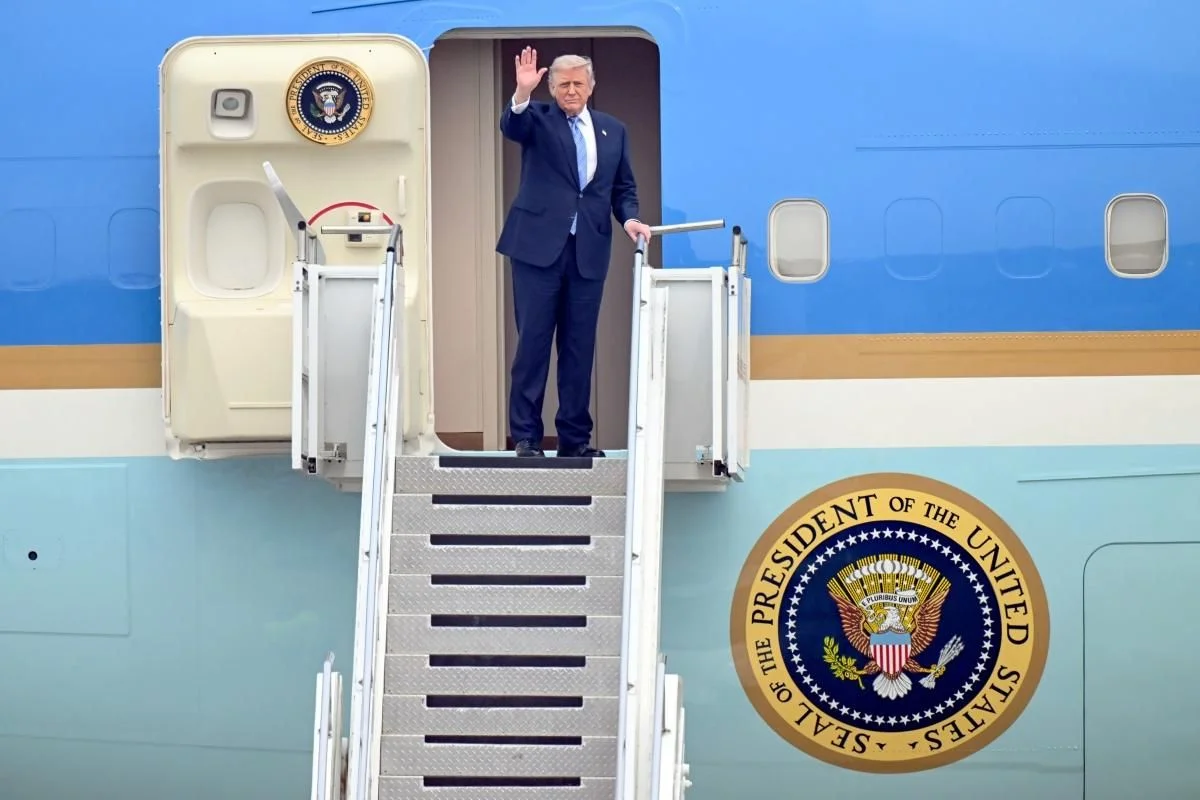
- Political Pressure: President Donald Trump aggressively pursued the deal ahead of the upcoming 2026 US midterm elections.
- Regional Dynamics: The agreement remains highly volatile due to uncertain political alignments and potential military actions from Israel.
The military operation, which planners initially projected as a rapid strategic triumph for Washington and Tel Aviv, rapidly deteriorated into a protracted, high-cost war. The resulting hostilities thoroughly destabilized the Middle East and triggered severe volatility across the international economic landscape.
Diplomatic sources indicate the temporary pact will remain in effect for 60 days. While official agencies withheld the final text, media organizations including Bloomberg and the Wall Street Journal leaked the draft memorandum, which prolongs an initial truce declared on April 8 and extended repeatedly.
Initial backchannel mediation succeeded due to diplomatic intervention from Pakistan, while Qatar subsequently assumed the role of primary diplomatic intermediary. Negotiations advanced slowly as Iranian diplomats demanded that any comprehensive regional resolution must mandate an immediate cessation of Israeli combat operations in Lebanon.
Political realities indicate that President Donald Trump prioritized securing this diplomatic resolution with extreme urgency.
This motivation stemmed from the reality that the United States failed to achieve its primary strategic objectives rather than a realization of military victory.
The intense combat permanently shifted the geopolitical equilibrium of the Middle East, though the emerging alignment completely failed to serve the long-term national security interests of the United States. White House planners failed to execute two core war aims: enforcing regime change in Tehran and dismantling the Iranian nuclear infrastructure.
Conversely, the regional warfare significantly enhanced the strategic leverage of the Islamic Republic across multiple fronts. Most critical was the reality that Tehran established operational supremacy over the Strait of Hormuz, a choke point commanding 20% of the global petroleum supply.
The disruption of merchant shipping through the maritime corridor sent immediate shockwaves through international commodity boards, exposing the deep vulnerability of global supply chains to Persian Gulf instability. Energy costs surged globally, reversing previous cooling trends to spark renewed inflation across the United States, Europe, and Asia in May 2026.
Those economic consequences quickly became political consequences.
The military intervention lacked durable domestic consensus from its inception. Prominent strategists within Trump’s populist coalition openly condemned the deployment, labeling the war a direct violation of his 2024 campaign pledge to extract the military from costly Middle Eastern conflicts.
Throughout his 2024 presidential bid, Trump consistently asserted he would prioritize domestic industrial revitalization, combat systemic inflation, and avoid foreign combat. The outbreak of hostilities with Iran directly compromised his standing on both domestic and foreign policy fronts.
As retail fuel prices spiked, American voters experienced immediate financial pressure at the pump. Spreading transport and utility costs threatened to infect the wider economy, raising acute concerns that inflation would re-emerge as a dominant electoral issue.
The fighting concurrently demonstrated the acute defense vulnerabilities of Washington’s regional security partners. Though Iran entered combat with an obsolete conventional air force and navy, neighboring Gulf capitals possessed highly centralized energy grids and industrial zones acutely vulnerable to asymmetric missile and drone salvos. The threat of regional escalation endangered trillions in Gulf infrastructure.
The structural elements of the negotiated text target these immediate vulnerabilities directly. Under the finalized terms, the current cessation of hostilities will continue for another 60 days, during which Iranian forces will reopen the Strait of Hormuz and launch maritime de-mining operations while bilateral negotiations regarding sanctions relief and nuclear enrichment continue.
For Trump, the alternatives were becoming increasingly unattractive.
Following the opening salvos, it became completely transparent that Iran would not capitulate without facing total military annihilation. Consequently, a prolonged US strategy aimed at forcing an absolute military surrender carried catastrophic systemic risks. Iran retained the capability to devastate regional infrastructure, potentially pulling neighboring states into a broader economic depression.
The projected humanitarian fallout presented an equally severe challenge to international stability.
The state fragmentation of small nations like Libya and Syria, which house populations of 7 million and 23 million respectively, triggered migratory crises that disrupted European politics for a decade. Iran possesses a population exceeding 90 million citizens, representing a far larger and more volatile demographic challenge.
An institutional collapse in Tehran would spark a refugee exodus unseen in modern history, placing unprecedented logistical and political strains on adjacent nations and EU member states.
The complex multi-ethnic composition of the Iranian state introduced additional risks of cross-border balkanization. While ethnic Persians form the demographic majority, significant Azerbaijani, Kurdish, Arab, and Baluchi populations hold critical regional sway. A sudden vacuum of central authority threatened to ignite ethnic insurgencies across multiple international borders.
Domestic politics weighed heavily on the White House as well.
In contrast to prior American military campaigns, the deployment failed to cultivate a durable patriotic consensus among the electorate, encountering sustained domestic resistance instead. With critical congressional midterm elections less than five months away, Trump faced intense institutional pressure to deliver concrete progress on the economic issues that secured his return to power.
The impending electoral stakes remain remarkably high. The Republican Party defends an exceptionally thin legislative majority in the House of Representatives. A Democratic electoral victory would likely subject the remaining two years of the Trump administration to aggressive congressional oversight, hostile sub-committees, and total statutory gridlock. The war consequently jeopardized both foreign policy credibility and domestic legislative execution.
Even if the formal truce successfully stabilizes global energy markets, market analysts warn the structural macroeconomic damage may already be entrenched, potentially altering voter behavior throughout the autumn election cycle.
Concurrently, traditional Western allies and regional partners expressed deep reluctance to sustain an open-ended military campaign.
The Gulf nations endured notable financial contractions and structural damage to key economic centers, exhausting their political will to finance an open-ended conflict featuring compounding weekly expenditures.
Furthermore, the State Department failed to organize the expansive multilateral coalitions that anchored prior geopolitical interventions in the region. Unlike the 1991 Gulf War or the post-2001 interventions in Afghanistan and Iraq, where Washington mobilized sweeping international coalitions, this deployment secured no dedicated partner outside of Israel.
Even following the total closure of the Strait of Hormuz, American diplomats failed to bring the European Union, China, Russia, or alternative global industrial centers into alignment with the military campaign.
This pronounced diplomatic isolation significantly intensified the White House’s mandate to finalize a negotiated settlement.
Nevertheless, a formalized diplomatic accord provides no immediate guarantee of regional equilibrium, as the position of Israel introduces profound strategic ambiguity.
As a central combatant in the theater, the willingness of the Israeli government to honor a negotiated framework remains absolutely vital to preventing a collapse of the truce. A resumption of cross-border operations in Lebanon or parallel fronts could instantly rupture the fragile diplomatic process, prompting immediate escalation.
Israeli Prime Minister Benjamin Netanyahu faces severe domestic political headwinds of his own. With national elections approaching, his administration operates under immense pressure to project unyielding military resolve. Whether these domestic political survival strategies can align with the strict structural demands of a regional peace framework remains unresolved.
Simultaneously, questions persist regarding Trump’s capacity to maintain structural unity behind this compromise within his own political base. Hawkish factions who championed the initial intervention are poised to interpret any framework short of total Iranian denuclearization or absolute regime change as a strategic capitulation, while pragmatists will view the accord as an essential realignment with geopolitical reality.
If the Israeli military restarts offensive maneuvers or if radical factions on either side capture the policy narrative, Tehran may determine the agreement no longer serves its national security interests, causing the ceasefire to disintegrate rapidly.
Let there be no doubt, the memorandum of understanding represents an important first step.
The accord does not resolve the deep ideological friction dividing Washington and Tehran, nor does it dissolve half a century of deep institutional paranoia. It offers no permanent security guarantees. Yet following months of intense fighting, systemic trade friction, and accelerating regional chaos, the diplomatic channel provides a far more sustainable trajectory than uncontrolled escalation.
Ultimately, the deployment illustrated the structural limitations of deploying conventional military power to force permanent political alignments. The United States initiated hostilities intending to fundamentally re-engineer the geopolitical architecture of Iran and the wider Middle East, only to discover that modern warfare invariably triggers uncontrollable and unpredictable systemic feedback loops.
The White House’s insistence on finalizing this accord did not emerge from a position of absolute tactical dominance or military triumph. It materialized from a clear calculation that the compounding economic, political, diplomatic, and humanitarian costs of sustaining the war far exceeded the strategic costs of compromise.
The immediate diplomatic challenge shifts to whether the signing states can successfully convert a temporary operational pause into a institutionalized regional security framework. The alternative path—a total return to active warfare—presents a far more devastating financial scenario for the international economy, the Middle East, and the political survival of the leaders tasked with defending their strategic calculations.
Future Outlook
The next 60 days will test the durability of backchannel diplomacy in the post-war Middle East. UN maritime monitors are preparing to oversee de-mining operations in the Strait of Hormuz, a critical step toward normalizing global oil traffic. However, the ultimate success of the framework depends on upcoming bilateral talks regarding long-term nuclear enrichment ceilings and the phased removal of secondary US economic sanctions. Analysts expect energy markets to remain highly volatile until commercial tankers successfully resume unhindered transit through the Gulf.
FAQs
What are the core terms of the US-Iran ceasefire agreement?
The interim agreement establishes a formal 60-day cessation of military hostilities. Under the leaked framework, Iran must halt defensive mining operations and reopen the Strait of Hormuz to international shipping, while the United States enters preliminary negotiations regarding sanctions relief and nuclear infrastructure verification.
Why did the United States seek a diplomatic deal with Iran?
The decision was driven by missed strategic objectives, as the military campaign failed to achieve regime change or denuclearization. Additionally, rising fuel prices caused by the closure of the Strait of Hormuz created severe domestic inflation, threatening the ruling party’s legislative majority ahead of the 2026 midterm elections.
What role did international mediators play in the negotiations?
Pakistan initiated the primary backchannel diplomatic communications between Washington and Tehran immediately after hostilities scaled up. Qatar subsequently assumed the responsibilities of the principal diplomatic intermediary, hosting the sensitive high-level talks necessary to finalize the memorandum of understanding.
How does the conflict impact the global energy market?
The war gave Tehran operational leverage over the Strait of Hormuz, a maritime transit route for 20% of global petroleum. The resulting shipping disruptions caused oil and gas prices to surge worldwide, triggering systemic inflationary pressures across markets in North America, Europe, and Asia.