Quebec Liberals Claim Sole Federalist Mantle for October
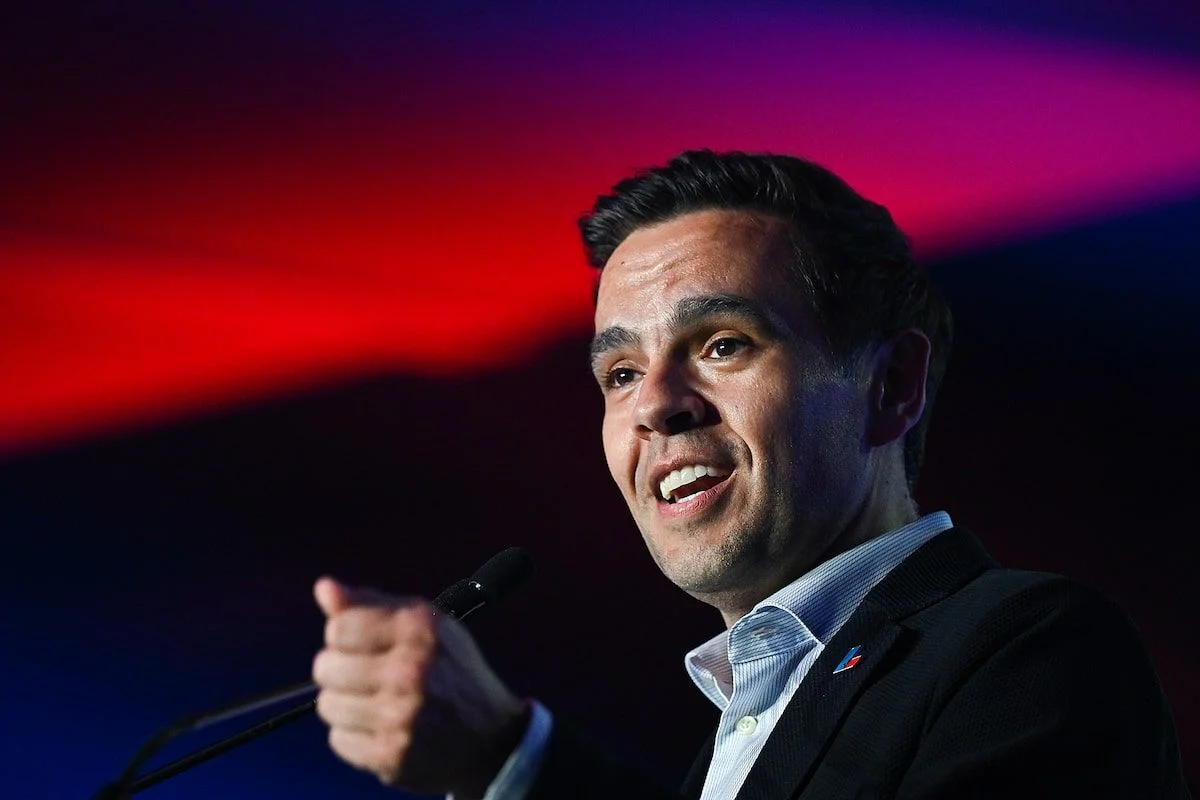
Quebec Liberal Party Leader Charles Milliard positioned his party as the definitive federalist choice for the upcoming October provincial election. Addressing supporters, Milliard targeted both the separatist Parti Québécois and the fractured stance of the governing Coalition Avenir Québec regarding provincial sovereignty.
Key Takeaways
- The Quebec Liberal Party is positioning itself as the solitary, unambiguous choice for federalist voters in the upcoming October election.
- Leader Charles Milliard criticized the Coalition Avenir Québec for internal division and an indecisive stance on provincial independence.
- The separatist Parti Québécois currently dominates public opinion polls despite holding only 7 seats in the provincial legislature.
- Liberal policy priorities focus heavily on small business tax relief, deregulation, and generating 100,000 new annual housing starts.
During the Liberal general council meeting held in Sherbrooke, Quebec, Milliard asserted that the governing Coalition Avenir Québec remains completely paralyzed by indecision on the referendum question. He highlighted glaring internal contradictions within the current administration to illustrate this policy divide.
To prove this governance split, Milliard pointed to conflicting public statements from cabinet ministers. Labour Minister Jean Boulet confirmed he would vote against independence, whereas Culture Minister Mathieu Lacombe declared he would support a sovereign Quebec.
Milliard mocked this strategic ambiguity, stating that a fundamental issue like national self-determination leaves no room for non-committal positions. He then targeted Parti Québécois Leader Paul St-Pierre Plamondon, labeling him disconnected from everyday public struggles.
The Liberal leader declared that his party aims to repair Quebec rather than engineer a separation. He defined the Liberal platform as a clear blend of regionalist, nationalist, and federalist principles, delivered without compromise.
The separatist opposition party, which maintains just 7 seats in the National Assembly, has led voter surveys for months. The Liberals trail as a competitive alternative, utilizing the multi-day convention to finalize their platform.
Economic policy anchors the party platform, with Milliard pledging tax cuts for small and medium-sized operations. He committed to removing bureaucratic red tape and halting excessive regulatory interference in commercial sectors.
Milliard pledged a significant housing intervention, targeting 100,000 new residential builds annually to alleviate supply strain. His broader legislative strategy promises an alternative approach to cultural preservation.
Though specific legislative text remains unreleased, Milliard claimed his upcoming French-language protection strategy outmatches proposals from rivals. The plan responds directly to recent oversight warnings regarding linguistic preservation.
Quebec French Language Commissioner Benoît Dubreuil reported that existing statutory frameworks fail to secure French linguistic stability. Milliard told reporters his administration would deploy entirely new policy mechanisms to achieve superior cultural protection.
Current provincial language frameworks, particularly the expansive updates under Bill 96, face continuous constitutional challenges. Liberal lawmakers have actively fought recent expansions of these regulations into adult education frameworks.
Liberal MNA Jennifer Maccarone advocated for removing enrollment limits imposed on English-language junior colleges. Present mandates force students to complete at least 3 core courses entirely in French to graduate.
Milliard recently faced internal backlash after shifting his position on the use of the constitutional override clause. He initially favored retaining the clause to insulate language laws from civil rights challenges.
This policy shift broke a 2022 campaign pledge, sparking intense pushback from the Anglo-Quebec community and Liberal caucus members. Milliard subsequently altered his strategy, promising to revise Bill 96 before reviewing override requirements.
Future Outlook
The upcoming October provincial election is shaping up to be a direct ideological clash between federalist and separatist forces. With the Parti Québécois leading in public opinion polls despite its small legislative footprint, the Quebec Liberal Party is attempting to consolidate the non-separatist vote. By targeting the Coalition Avenir Québec’s internal divisions on sovereignty, the Liberals hope to regain their historical position as the primary alternative to the independence movement. The debate over language preservation, economic deregulation, and housing supply will serve as the central battlegrounds as parties formalize their platforms in the coming months.
FAQs
What is the Quebec Liberal Party’s strategy for the upcoming election?
The party is positioning itself as the only clearly federalist choice for voters, contrasting its platform against the separatist Parti Québécois and the internally divided Coalition Avenir Québec.
What economic promises did Charles Milliard outline at the convention?
Milliard pledged to introduce tax reductions for small and medium-sized corporations, eliminate bureaucratic red tape, and stimulate the construction of 100,000 new housing starts every year.
Why is Bill 96 a point of contention within the Quebec Liberal Party?
Bill 96 places restrictions on English-language education and requires students to take 3 courses in French. The Liberal party has seen internal debate over whether to support the constitutional override clause that protects these measures from legal challenges.
How many seats does the Parti Québécois currently hold?
The separatist Parti Québécois currently holds 7 seats in the Quebec legislature, though the party has managed to lead regional political polling for several consecutive months.