Peru Election Results Imminent as Fujimori Holds Razor Thin Lead
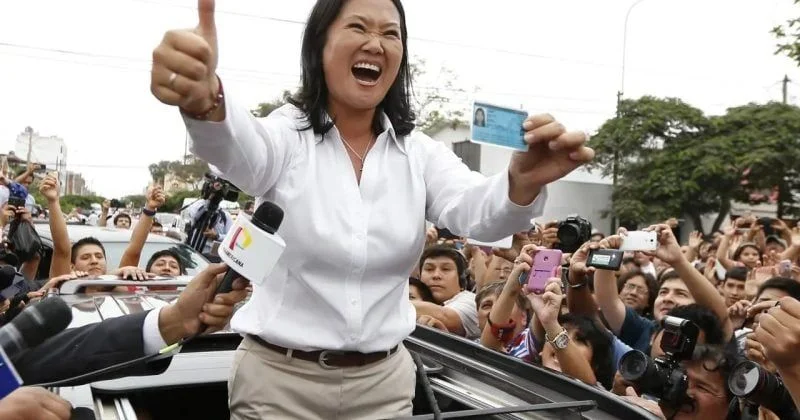
The final outcome of Peru’s presidential election approaches confirmation as electoral authorities prepare to declare the official winner. Right-wing candidate Keiko Fujimori holds a microscopic lead over left-wing rival Roberto Sánchez. The razor-thin margin has sparked fierce legal challenges and allegations of fraud, leaving the politically volatile nation on edge.
Key Highlights
- Keiko Fujimori maintains a narrow advantage of 43,386 votes with 99.8% of the total ballots scrutinized.
- Left-wing candidate Roberto Sánchez requested the annulment of thousands of overseas ballots, alleging unproven fraud.
- The National Office of Electoral Processes dismissed the fraud claims, but Sánchez vows to reject the final results.
- Prediction markets show an 82.5% confidence level that the official certification will be finalized by July 15, 2026.
Peru’s Electoral Special Juries are scheduled to commence the formal proclamation of the second-round presidential election results shortly. The announcement follows weeks of intense scrutiny over the voting process. Keiko Fujimori and Roberto Sánchez remain locked in a remarkably tight race for the presidency.
Official results will likely be proclaimed by mid-July 2026 after a mandatory recount of contested ballots. Although the National Office of Electoral Processes has processed 100% of the vote tally, the final outcome depends on resolving 1,551 disputed ballots. The Jurado Nacional de Elecciones has requested public calm.
Market activity indicates that the upcoming electoral jury announcements align with a rising probability of official certification by June 30, 2026.
Pricing within the July 15 prediction sub-market demonstrates a sharp increase in investor confidence, climbing to an 82.5% “YES” probability. This trend shows that market participants widely anticipate formal certification by mid-July.
The active recount and legal appeal mechanisms remain the primary variables dictating the certification timeline and subsequent market numbers.
The exact schedule for the supreme electoral tribunal’s certification remains fluid. Financial markets are poised to react swiftly to any decisions regarding contested tallies or legal appeals. Key variables include potential acceleration or gridlock in the recount alongside fresh legal challenges. Observers must closely track institutional statements.
The Fujimoris, in power 26 years later
A victory for the right-wing candidate marks the return of the Fujimori dynasty exactly 26 years after dictator Alberto Fujimori fled the country amid corruption scandals. Despite his past convictions for crimes against humanity, his daughter aggressively championed his political legacy throughout her campaign.
Her ultimate ascent to power lengthens the roster of Latin American nations shifting toward right-wing leadership. While her party remains more institutionalized than far-right movements in El Salvador, Argentina, or Colombia, her ideological platform directly mirrors this broader regional conservative surge.
Historical Context
The 2026 election takes place against a backdrop of severe systemic instability in Peru. The South American nation has cycled through eight presidents over the past 10 years. The wild fluctuations in the current vote count mirror this fractured political environment.
Fujimori initially led the early counting process. However, when scrutiny hit 93%, Sánchez surged ahead as rural ballots were tabulated. The lead flipped a final time when overseas votes heavily favored Fujimori, bringing her total to 50.11% against Sánchez’s 49.88%.
FAQs
What is the current vote margin between Keiko Fujimori and Roberto Sánchez?
Keiko Fujimori holds a lead of 43,386 votes, capturing 50.11% of the valid ballots compared to 49.88% for Roberto Sánchez. Only 26,200 votes remain uncounted, making her lead statistically irreversible despite ongoing challenges.
Why is Roberto Sánchez challenging the election results?
Roberto Sánchez has alleged fraud regarding the processing of overseas ballots, which heavily favored his opponent. However, the National Office of Electoral Processes has officially dismissed these claims due to a lack of evidence.
When will the official winner of the Peruvian election be certified?
Electoral authorities expect to issue the final official proclamation by mid-July 2026. Prediction markets currently reflect an 82.5% confidence level that the entire certification process will be fully resolved by July 15, 2026.