MEA Clarifies Indian Passport Functionality Amid Electronic Document Upgrades Indian passports serve primarily as intern…
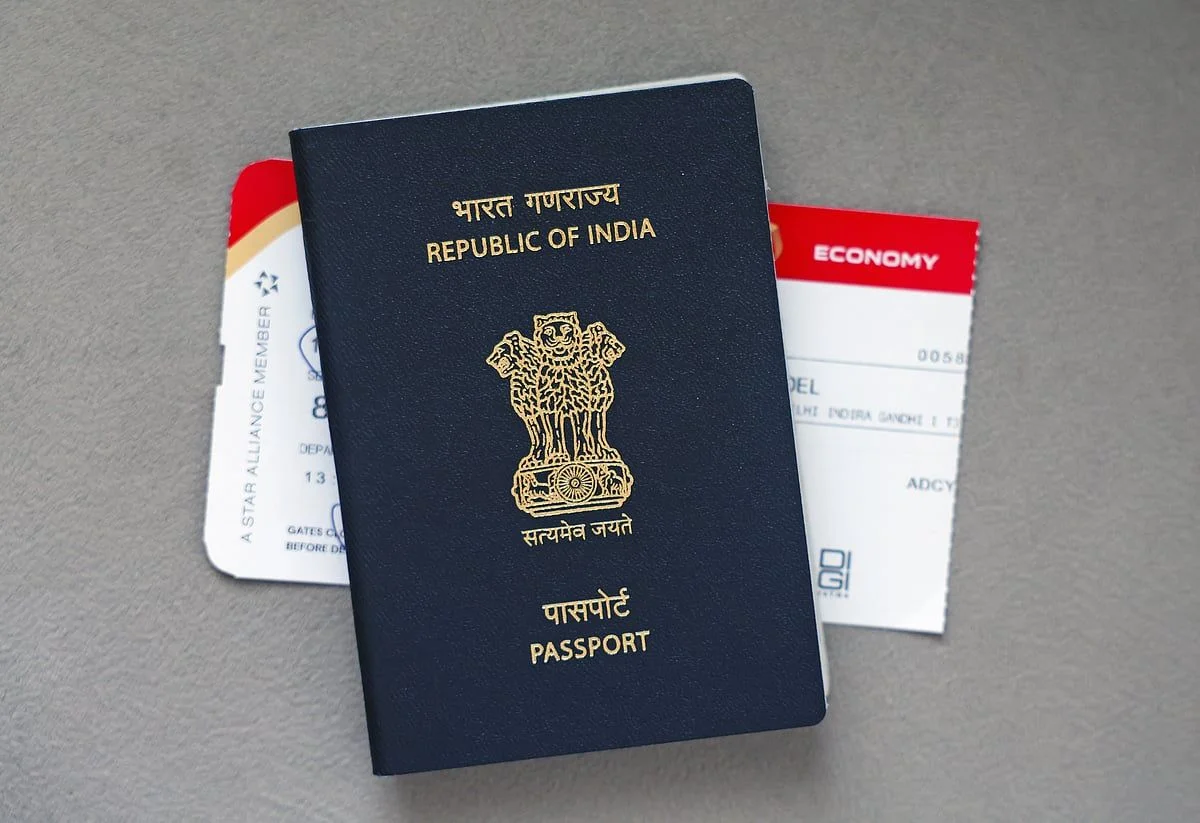
In a disclosure that will surprise millions of non-resident Indians globally, a Ministry of External Affairs official stated that an Indian passport operates primarily as a travel document rather than definitive proof of citizenship.
Key Highlights
- The MEA clarified that passports legally facilitate international travel but do not constitute conclusive evidence of citizenship.
- India successfully distributed 13.9 million passports in 2025, with all new issuances transitioning to chip-enabled e-passports.
- National police verification timelines are targeting a reduction to 2 to 3 days to optimize application processing.
- Global mobility for Indian nationals expanded to 27 visa-free destinations, up from 16 in 2019.
During the 14th Passport Seva Divas, the MEA announced it distributed 13.9 million passports in 2025.
External Affairs Minister S Jaishankar praised the passport infrastructure developments on Wednesday.
Writing on X, Jaishankar stated the event commemorates the Passports Act of 1967 and highlights ongoing domestic passport system modernization.
Jaishankar attributed the Passport Seva Programme’s advancement to Prime Minister Narendra Modi’s governance strategy of ‘Minimum Government, Maximum Governance.’
He confirmed the MEA achieved vital digital targets, deploying the upgraded Passport Seva Programme (PSP V2.0) domestically and the Global Passport Seva Programme (GPSP V2.0) across international diplomatic missions.
The technological transition features the implementation of chip-embedded e-passports engineered to satisfy global security and authentication benchmarks.
The MEA official noted that India now operates 545 Passport Kendras, reflecting a six-fold infrastructure expansion from the 77 centers managed 10 years ago.
The official added that the number of destinations granting visa-free entry to Indian passport holders reached 27, increasing from 16 in 2019.
“Furthermore, 47 nations provide visa-on-arrival options, and 66 countries administer electronic visas for Indian citizens,” the representative stated.
The ministry indicated that current mobility frameworks are predominantly established with European nations.
These agreements streamline international travel for academics, students, trainees, tourists, and corporate entities, while establishing structured protocols for repatriating undocumented migrants.
MEA Clarifies Passport Functionality Amid E-Passport Upgrades
The Ministry of External Affairs utilized Passport Seva Divas to clarify that a passport functions as an international travel document rather than final proof of citizenship. The ministry announced that subsequent passport issuances will exclusively utilize chip-based technology, while police verification windows will decrease to 2 to 3 days nationwide.
MEA officials noted on Wednesday that passports verify nationality during foreign travel but do not serve as absolute proof of citizenship. Celebrating Passport Seva Divas on June 24 to mark the Passports Act of 1967, authorities noted that despite rigorous multi-agency vetting, the document’s core legal objective remains cross-border transit.
Passport Seva Programme Introduces Chip-Based Upgrades
The MEA confirmed that its passport modernization drive has yielded 14.7 million e-passports since debuting last year. These advanced versions comprise roughly 10% of active Indian passports, and all upcoming fabrications will feature embedded chips.
The electronic upgrades incorporate an internal antenna and Radio Frequency Identification (RFID) chip storing biometric data.
“E-passports supply enhanced security, minimizing document forgery and unauthorized data alterations,” an MEA representative declared. “This builds trust with global border authorities, mitigating identity fraud and accelerating immigration processing for Indian citizens.”
The India Security Press in Nashik manages chip manufacturing via international sourcing pipelines to protect data security. Addressing privacy factors, authorities confirmed that while Tata Consultancy Services handles technical operations, the MEA retains exclusive ownership of citizen data on its secure servers.
Labor Mobility Initiative Formed to Counter Fraudulent Recruitment
To safe-guard outbound Indian workers, the MEA announced a two-day Human Resource Mobility Forum scheduled for June 30 and July 1. Organized alongside the Ministries of Labour and Education, the summit targets key destination states including Denmark, Germany, Italy, Japan, and Russia.
The framework seeks to build secure migration pathways by bridging certified international employers with Indian applicants and authorized placement agencies.
This initiative follows instances where Indian citizens were deceptively recruited into the Russian military. Officials emphasized that formal systems are required to guide applicants past migration risks. “Matching ethical firms with candidates is vital to help travelers recognize recruitment red flags,” a representative stated.
Optimizing Processing Speeds and Enhancing Global Reach
The MEA detailed substantial improvements regarding decentralized infrastructure and rapid processing. India’s network comprises 544 Passport Seva Kendras and Post Office Passport Seva Kendras, rising from 77 operational hubs a decade prior.
Fast processing of applications: Comprehensive processing timelines have dropped to an average of 5 to 6 days.
Processing efficiency in office: On-site protocols ensure applicants spend under 45 minutes inside processing hubs.
Verification process: The MEA is expanding successful regional systems nationally to compress police verification timelines down to 2 to 3 days.
Simultaneously, India’s international passport access has grown. Countries granting visa-free entry rose to 27 from 16 in 2019, while 47 destinations provide visa-on-arrival privileges, up from 38 in 2019. Additionally, 66 nations authorize e-visa systems for Indian travelers.
To protect citizens abroad, India finalized Migration and Mobility Partnerships with 25 countries, primarily across Europe, establishing legal migration channels while managing undocumented migrant returns.
Legal Precedents and the Passport Act Framework
A passport permits international transit, grants access to consular assistance, and verifies nationality before global immigration bureaus. However, the external affairs ministry maintains it does not constitute final proof of citizenship.
The technical distinction, presented on Passport Seva Divas during the e-passport rollout, reopens a long-standing statutory debate. Amid recent voter roll updates and citizenship registry audits, the clarification prompts an obvious question: if a passport is insufficient, what document legally validates citizenship?
The ministry’s position appears contradictory because the legislation governing passport issuance assumes the recipient is a citizen.
Under Section 5 of the Passports Act, 1967, authorities issue documentation only after completing necessary background inquiries. Furthermore, Section 6(2)(a) mandates that agencies deny a passport if the applicant lacks Indian citizenship. Consequently, the statutory framework dictates that a passport is granted only after the state verifies citizenship status, making the ministry’s recent operational distinction highly notable.
Passports are legally distributed to citizens for overseas travel following police screening and database cross-referencing.
The MEA’s stance distinguishes between a document acting as evidence of citizenship versus serving as absolute, conclusive proof. From a legal standpoint, the government preserves the constitutional right to confiscate or cancel a passport if it uncovers fraudulent citizenship claims or misrepresentation.
Nevertheless, the announcement narrows the collection of official documents capable of undeniably proving an individual’s citizenship status.
The Voter Identification Precedent
The debate carries practical legal consequences. During recent intensive revisions of national electoral rolls, security agencies and registration officers have routinely balanced which identification credentials meet standard proof of citizenship thresholds.
Historical Context
The modern legal framework governing Indian travel documents originated with the passage of the Passports Act of 1967. This legislation established the statutory guidelines for passport issuance, restrictions, and revocations, binding the document directly to the nationality of the holder. Over the subsequent decades, the passport infrastructure underwent a massive transformation, shifting from a highly centralized, paper-based application system into a digitized network.
The launch of the Passport Seva Programme in partnership with technology providers marked a turning point in consular efficiency, decentralizing services into hundreds of local post offices and dedicated centers. The latest transition to biometric e-passports represents the next phase of this historical evolution, aligning India’s border documentation with global aviation and security standards.
FAQs
Why is an Indian passport not considered definitive proof of citizenship?
The Ministry of External Affairs distinguishes between an international travel document and conclusive proof of citizenship. Legally, the government can revoke or impound a passport if it discovers that nationality status was obtained via misrepresentation or false documentation, meaning the passport itself is not an absolute final confirmation of citizenship.
What features are included in India’s new e-passports?
The new electronic passports feature an embedded antenna and a Radio Frequency Identification chip. This hardware stores the personal and biometric data of the passport holder, enhancing security against forgery and allowing faster immigration clearance at global borders.
How fast is the current Indian passport application processing time?
The average application processing time has dropped to 5 to 6 days. Furthermore, applicants generally spend less than 45 minutes inside Passport Seva Kendras, and the ministry is working to lower the police verification timeline to just 2 to 3 days nationwide.
How many countries can Indians travel to visa-free?
Indian passport holders can now access 27 countries visa-free, which is an increase from 16 countries in 2019. Additionally, 47 nations offer visa-on-arrival services, and 66 countries provide electronic visa options to Indian citizens.