UN Dialogue Addresses Persian Gulf Conflict Economic Impact
India’s permanent representative to the United Nations and the UN Development Programme administrator co-led a critical diplomatic session addressing the Persian Gulf conflict. The high-level policy dialogue examined how escalating Middle East tensions disrupt human development and crisis resilience frameworks throughout the Asia-Pacific region.
Key Highlights
- India and the UNDP co-chaired discussions on West Asian instability and its economic repercussions for the Asia-Pacific.
- Spiraling geopolitical tensions threaten vital regional remittances, inflate consumer costs, and pressure local livelihoods.
- Diplomats emphasized that securing food, fuel, and fertilizer supply chains requires immediate regional cooperation and joint preparedness.
- New Delhi maintained its firm stance that diplomatic engagement remains the only viable path to restore regional peace.
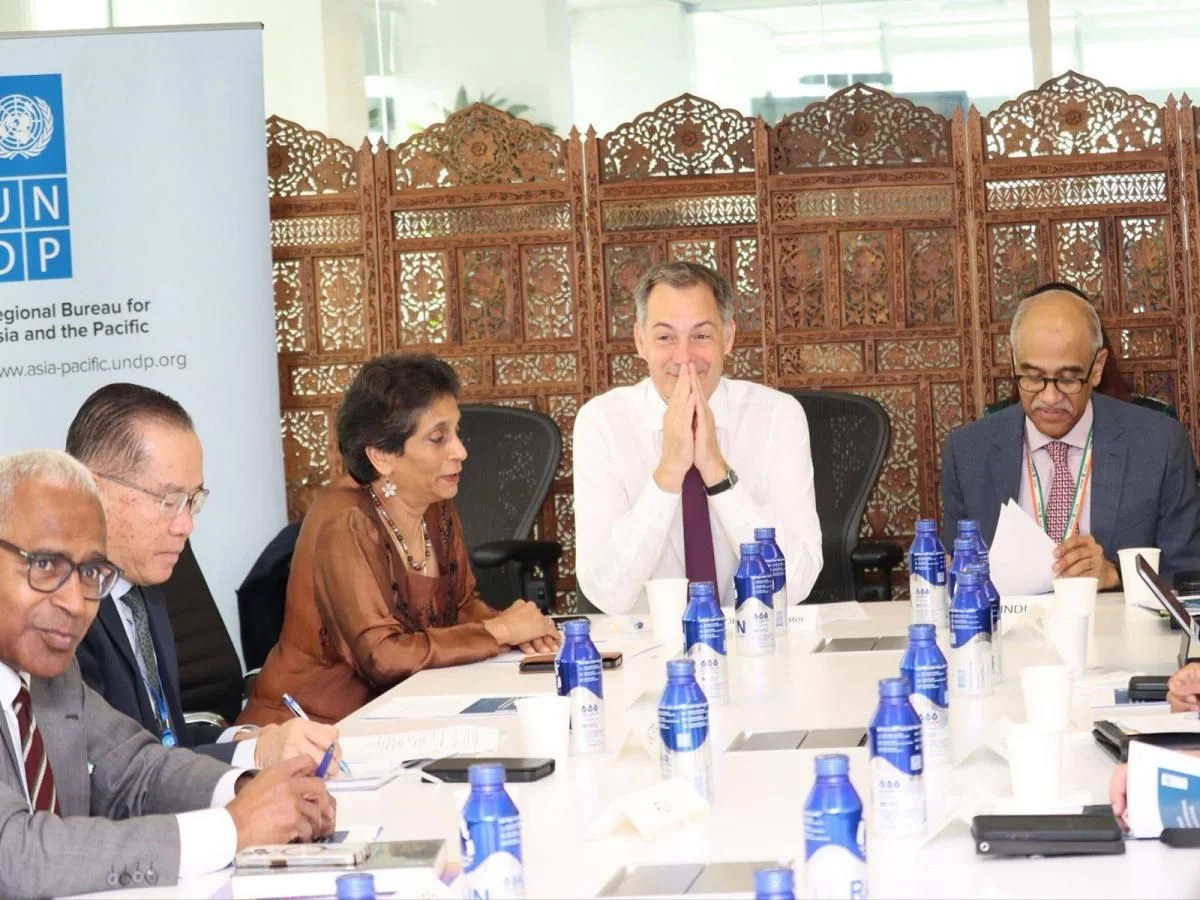
Indian envoy Parvathaneni Harish and UNDP Administrator Alexander De Croo assembled regional Permanent Representatives to analyze the geopolitical crisis. Harish stated on X that the assembly shared solutions regarding the ongoing food, fuel, and fertilizer supply crunches, praising the UNDP for driving regional collaboration.
De Croo warned that the Middle East conflict triggers severe global economic shockwaves. The UNDP chief noted that Asia-Pacific nations face distinct vulnerabilities, explicitly highlighting the immediate risks to foreign remittances, surging living costs, and mounting pressure on household livelihoods.
This diplomatic assembly follows India’s recent appeals for restraint amid widening hostilities. On June 2, 2026, New Delhi reaffirmed its demand for peaceful diplomacy as Israeli military campaigns intensified in Lebanon and Iran pushed to halt bilateral peace negotiations with Washington.
Ministry of External Affairs Spokesperson Randhir Jaiswal previously confirmed that India monitors the volatile West Asian situation closely. Jaiswal reiterated that consistent engagement with all international stakeholders centers on dialogue as the sole mechanism to re-establish long-term regional stability.
Future Outlook
The joint UN-India dialogue signals an shifting approach toward managing geopolitical fallout in developing economies. As long-term instability in West Asia threatens trade routes, regional blocs are projected to accelerate independent supply chains for food and energy resources. Future policies across Asia-Pacific nations will likely prioritize structural economic buffers, mitigating the domestic impact of volatile remittance flows and fluctuating global commodity pricing.
FAQs
What was the main focus of the high-level UN dialogue?
The dialogue focused on the ongoing conflict in the Persian Gulf and its direct consequences for human development and crisis resilience across Asia and the Pacific.
Who led the diplomatic meeting at the United Nations?
The session was co-chaired by India’s Permanent Representative to the UN, Parvathaneni Harish, alongside United Nations Development Programme Administrator Alexander De Croo.
What specific economic threats did the UNDP highlight for the Asia-Pacific?
The UNDP emphasized that the Middle East crisis sends economic shockwaves worldwide, threatening regional remittances, increasing everyday costs, and damaging vulnerable livelihoods.
What is India’s official stance on the escalating West Asian conflict?
India advocates consistently for dialogue and diplomacy among all involved parties to secure an early return to peace and stability in the region.