Indian Home Interior Market Hits $12 Billion Value
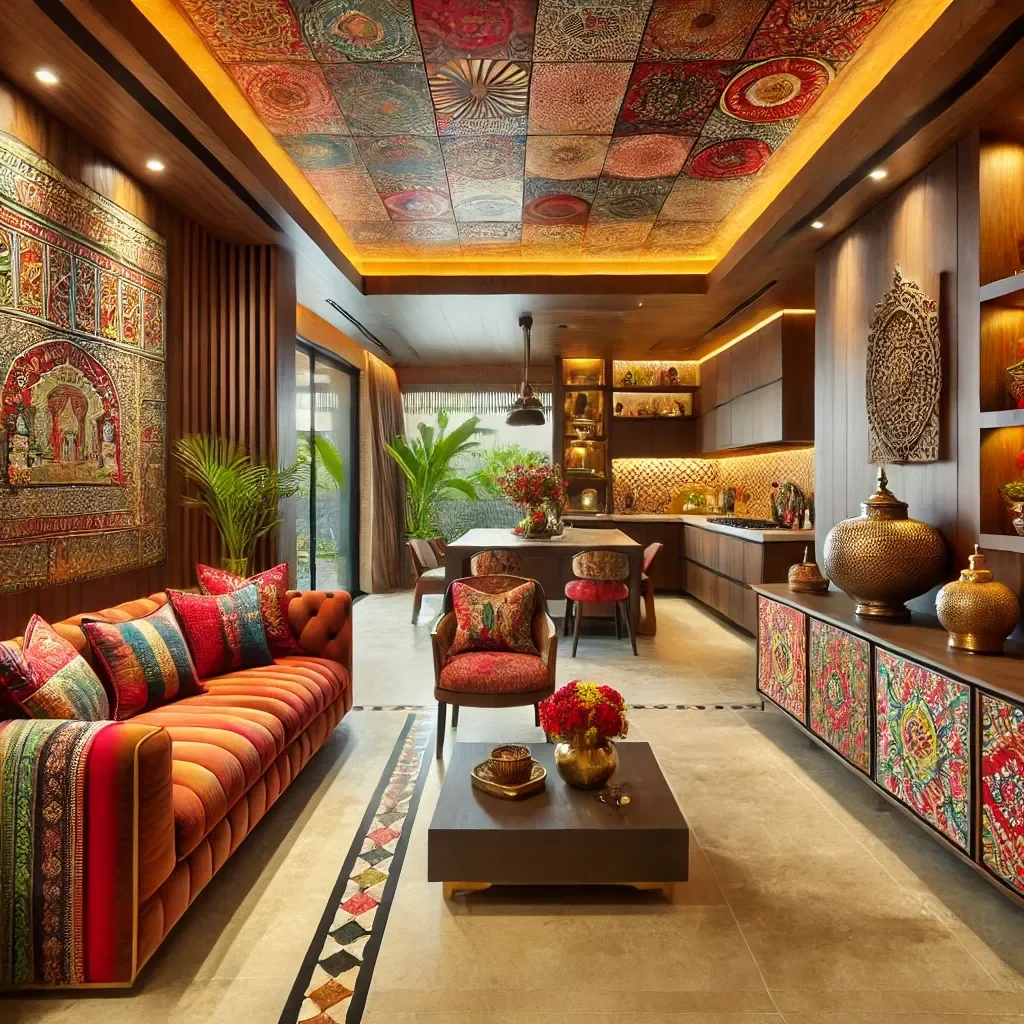
Urban households across India are driving a massive real estate transformation as residential property personalization turns into a major economic force. Homeowners now view living spaces as direct reflections of personal identity. This behavioral shift has rapidly escalated the domestic interior design and home decor sector into a $12 billion marketplace.
Key Highlights
- India’s home interior market is expanding at an annual rate of 8% to 13%.
- Homeowners routinely allocate 10% to 20% of total property purchase costs toward premium interior upgrades.
- Residential projects command nearly 60% of the entire domestic interior design industry.
- The unorganized sector controls 80% to 85% of the market, presenting massive scaling opportunities for corporate brands.
Interior Design, Decor India Market: Numbers Tell The Story
Recent industry evaluations indicate that Indian property buyers allocate between 10% and 20% of residential real estate values exclusively to interior styling. Consequently, a consumer purchasing an apartment for Rs 1 crore frequently invests an additional Rs 10 lakh to Rs 20 lakh post-acquisition. For premium residences valued between Rs 2 crore and Rs 3 crore, design budgets routinely scale from Rs 20 lakh to Rs 40 lakh.
Geographically, this capital allocation is no longer confined to ultra-wealthy purchasers in Tier-1 hubs like Mumbai or Delhi. Consumer appetite for upscale interior finishes is rising rapidly across prominent Tier-2 urban zones, including Jaipur, Lucknow, Indore, Chandigarh, and Coimbatore.
The domestic home interiors market currently exceeds a valuation of $12 billion while maintaining an annual growth velocity of 8% to 13%. Private residential demand serves as the primary driver, commanding nearly 60% of the comprehensive interior design ecosystem.
Homes Are Becoming Identity Statements
“Residential homes are no longer defined by scale alone, they are defined by the amenities and level of experience they offer,” stated TARC Ltd Managing Director and Chief Executive Officer Amar Sarin.
Sarin observed that contemporary buyers prioritize real estate options reflecting “identity, aspiration and a deeper sense of belongingness.” He noted that structural boundaries separating luxury housing from premium hospitality environments continue to diminish.
This profound psychological transformation is actively reshaping the broader Indian real estate landscape.
Real estate developers, decor manufacturers, and interior enterprises report that millennials alongside dual-income families spearhead this structural evolution. Previous generations viewed interior modifications as non-essential, gradual upgrades, whereas contemporary young buyers classify custom design as an immediate necessity.
“The Indian residential market is witnessing a major lifestyle transformation,” remarked Pyush Lohia, Managing Director of Lohia Worldspace. “Homes today are no longer viewed as just physical spaces — they have become deeply personal reflections of comfort, aspiration, and identity.”
These aspirational consumer habits alter corporate revenue streams. Digital platforms, lifestyle influencers, Pinterest visual trends, celebrity residential features, and hybrid corporate employment models dictate modern layout requirements.
According to HomeLane Co-Founder and Chief Executive Officer Srikanth Iyer, entry-level interior execution ranges from Rs 800 to Rs 1,200 per square foot. Intermediate residential projects average between Rs 1,500 and Rs 2,500 per square foot. Upscale projects demand up to Rs 4,000 per square foot, while elite luxury installations frequently surpass Rs 7,000 per square foot.
Major metropolitan areas maintain a pricing premium of 20% to 30% over Tier-2 regional alternatives for identical material specifications.
However, industry participants highlight alternative regions as the primary source of upcoming industrial scaling.
Home Decor Market: Tier-2 India Driving Growth
“Tier-2 cities are emerging as major growth centres due to rapid urbanisation and rising aspirations,” stated Pranndeep Singh, Managing Director and Founder of White Flower Developers.
Singh emphasized that contemporary property buyers actively prioritize bespoke living quarters, intelligent architectural floorplans, modular furniture installations, and spatial utility during initial real estate scouting.
Global pandemic conditions accelerated these specific consumer purchasing frameworks.
Residential properties rapidly transformed into corporate workstations, fitness centers, culinary spaces, educational facilities, and private lounges. Extended indoor confinement prompted citizens to allocate substantial disposable income toward modifying their immediate surroundings.
This structural transition created extensive commercial tailwinds for organized design enterprises.
For generations, localized independent contractors, unlisted carpenters, and regional neighborhood operations dominated domestic interior provisioning. Organized corporate entities currently represent only 15% to 20% of total market operations.
The remaining 80% to 85% share stays tied to a highly fragmented, unorganized local supply network. Industry leaders view this systemic fragmentation as both an operational challenge and an expansive corporate acquisition opportunity.
“There is a visible shift toward organised and branded interior solutions that offer better quality, transparency, and design expertise,” stated Abhishek Raj, Founder and Chief Executive Officer of Jenika Ventures.
Corporate providers aggressively court millennial first-time real estate buyers by guaranteeing standardized build quality, technology-assisted visualization software, strict project timelines, and consumer financing alternatives.
Women Call The Shots
Corporate enterprises are adjusting media campaigns as domestic design procurement becomes highly collaborative.
Female family members predominantly dictate visual styles, color selections, modular kitchen configurations, and overarching design concepts. Conversely, male family members typically manage financial budgets, material procurement, asset durability, and asset depreciation calculations.
Corporate strategists construct contemporary advertisements to appeal simultaneously to emotional lifestyle aspirations and strict financial asset logic. “The decision-making structure for home interiors in India is now predominantly joint,” affirmed HomeLane executive Srikanth Iyer.
This market maturity directly aids high-end property development corporations. Luxury real estate marketing bypasses basic square-footage metrics, focusing instead on holistic experiential living. This includes dedicated wellness rooms, hospitality infrastructure, ecological landscaping, private club spaces, designer finishes, and integrated community zones.
Real estate builders confirm that buyers willingly absorb premium pricing to secure these advanced lifestyle ecosystems. Consumers view interior capital deployment as a direct quality-of-life asset rather than a depreciating household expense.
Consequently, design capital allocations continue expanding despite broader real estate inflationary trends. Modern urban citizens do not consider property procurement finalized upon receiving statutory ownership documentation.
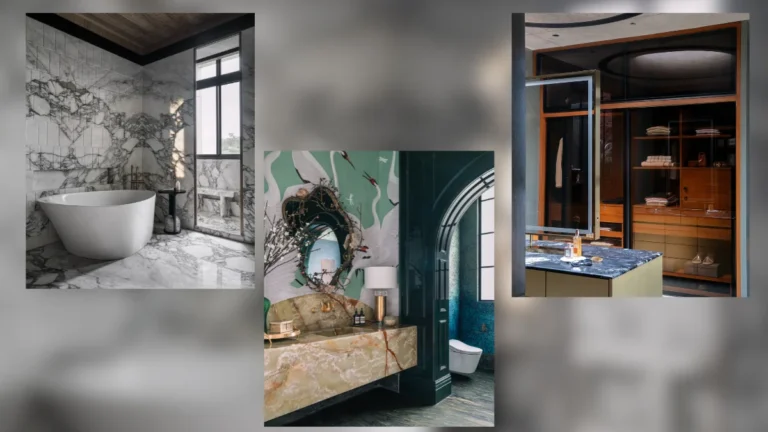
Complete residential satisfaction requires advanced mood lighting, smart modular cabinetry, imported luxury surfaces, stylized feature walls, ergonomic remote offices, custom kitchens, and highly aesthetic visual presentations.
Physical real estate remains the foundational investment asset, but custom interior design serves as the definitive expression of personal identity.
Future Outlook
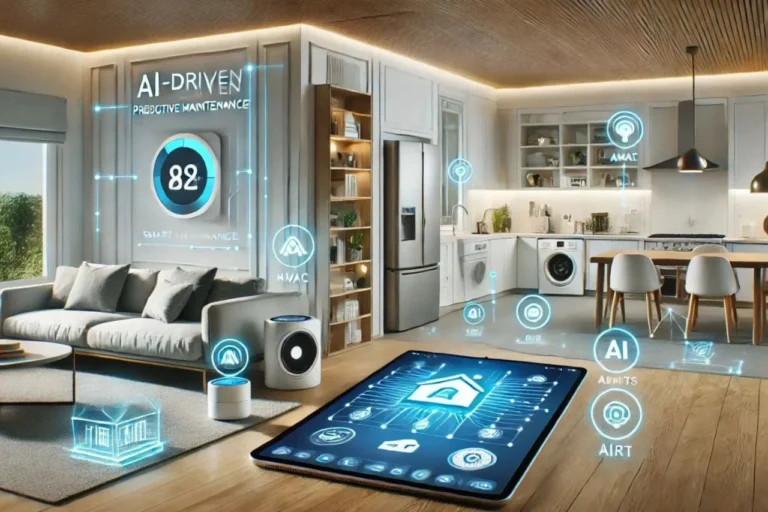
The Indian home interior market is positioned for significant institutionalization as corporate entities consolidate the unorganized landscape. Market analysts project the industry will sustain double-digit growth through 2030, driven by rising disposable incomes and expanding urbanization in Tier-2 regions. Technology integration, such as virtual reality design previews and automated project tracking, will likely become standard consumer expectations, further driving the transition from local independent carpenters to organized, national brands.
FAQs
What is the total market size of the Indian home interior design industry?
The Indian home interior design and decor market is valued at over $12 billion and experiences an annual growth rate ranging between 8% and 13%.
How much do Indian homeowners spend on interior design on average?
Homeowners typically allocate 10% to 20% of the total property valuation toward interior design, which translates to Rs 10-20 lakh on a Rs 1 crore apartment.
Which geographic regions are driving growth in the Indian decor market?
While Tier-1 metropolitan cities remain major revenue sources, Tier-2 cities such as Jaipur, Lucknow, Indore, Chandigarh, and Coimbatore are emerging as primary growth hubs due to rapid urbanization.
What percentage of India’s interior design industry is organized?
The organized corporate interior sector accounts for just 15% to 20% of the market, leaving the remaining 80% to 85% controlled by fragmented local carpenters and contractors.