15 Smart Home Technologies Transforming Indian Households By 2030
By 2030, urban Indian households will experience a massive technological shift. Residential properties will integrate artificial intelligence, automated sanitation, and health monitoring systems. This shift will transition conventional living spaces into highly automated, sustainable environments. Affordable access is driving rapid domestic adoption across mainstream residential markets.
Key Highlights
- Artificial intelligence and biometric security will manage daily household preferences seamlessly.
- Automated sanitation systems will introduce real-time health diagnostic tracking inside bathrooms.
- Advanced solar arrays and energy management dashboards will enable complete residential self-sufficiency.
- Multi-functional, fluid architectural layouts will optimize diminishing urban residential square footage.
15 Technologies That Will Be Common in Every Indian Home by 2030
1. Homes that Understand You
Advanced residential security frameworks will instantly identify authorized inhabitants. Future Indian properties plan to utilize localized artificial intelligence networks alongside integrated environmental detection units.
Facial scanning gates will govern primary property entryways. Inhabitants will manage ambient illumination and consumer electronics using localized vocal inputs.
Pervasive artificial intelligence systems will operate across multiple residential zones. Smart mirrors will display real-time weather metrics and recommend daily apparel choices.
Automated HVAC systems will dynamically recalibrate environmental variables. The technology ensures personalized climate and illumination parameters for every individual.
2. Intelligent Bathrooms & Toilets
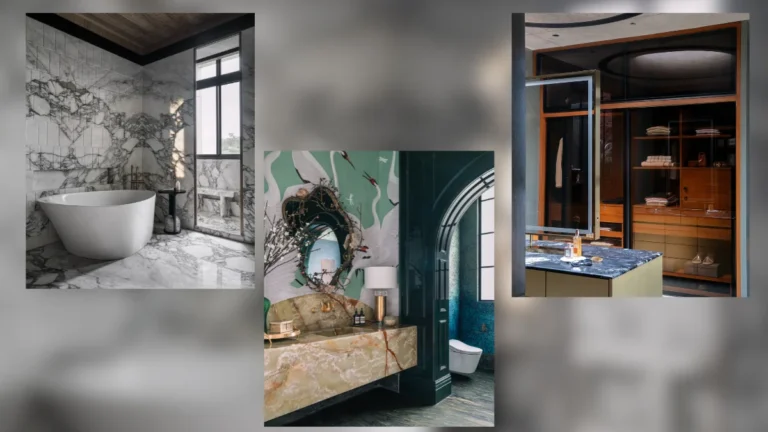
Domestic builders are deploying automated bathroom systems modeled after established frameworks in China and Japan. These systems emphasize advanced hygiene, physical comfort, and continuous medical diagnostics.
Bathrooms will represent the most technologically sophisticated residential zones by 2030. Installations will regularly include temperature-controlled commode seats.
Automated mechanical covers and proximity-based flushing mechanisms will minimize physical contact. Integrated self-sanitizing systems will maintain optimal cleanliness across fixtures.
Smart shower setups will feature automated water temperature presets. Built-in physiological sensors will consistently capture and evaluate fundamental user metabolic metrics.
3. Houses that Clean Themselves
Advanced residential automation will significantly lower the total hours needed for daily household maintenance. Centralized vacuum infrastructures will sit directly inside structural walls.
Autonomous mechanical devices will independently scour floor surfaces and external window panels. Kitchens and washrooms will deploy specialized self-washing surface technologies.
Resource management bins will automatically separate refuse types. Automated laundry systems will issue regular maintenance and washing alerts directly to residents.
4. Solar Power & Self Sufficient Homes
Modern residential architectural designs will move beyond simple resource consumption. Future units will actively generate critical operational utilities on-site.
Photovoltaic roofing modules and energy-harvesting window panels will capture solar radiation. Dedicated power storage arrays will retain surplus electricity for later consumption.
Integrated stormwater collection systems will optimize water conservation. Centralized smart energy management panels will provide real-time consumption oversight alongside localized kitchen gardens.
5. Automatic parking and Charging of EV
Surging consumer demand for electric vehicles requires advanced localized mobility setups. Residential towers will integrate vertical automated parking mechanisms.
Dedicated electrical charging docks will support private clean energy vehicles. Property entryways will utilize automated license plate recognition scanners.
Integrated logistics systems will coordinate visiting vehicular traffic. Real-time digital mapping tools will guide vehicles directly to assigned parking slots.
6. Wellness-Oriented Living Spaces
Modern residential real estate will prioritize occupant psychological and biological health. High-efficiency air purification systems will constantly regulate interior atmospheric safety.
Dynamic ambient illumination fixtures will naturally adjust to support healthy human sleep cycles. Specialized beds will integrate biometric sleep monitoring sensors.
Advanced acoustic dampening barriers will minimize external environmental noise pollution. These systems ensure a tranquil interior atmosphere for urban residents.
7. Kitchen of the Future
Artificial intelligence will manage modern culinary spaces and simplify grocery tracking. Smart refrigeration units will monitor food supplies in real time.
Automated culinary ovens will use machine learning algorithms to prepare meals perfectly. Voice-controlled kitchen devices will streamline daily meal preparation tasks.
These connected systems will significantly curb household organic food waste. Automated appliances will maximize operational efficiency throughout culinary zones.
8. Rooms that Change Instantly into Something Else
Accelerating urban density requires highly adaptive interior spatial management. Residential interiors will feature flexible components serving multiple functional purposes.
Concealed bedding assemblies will fold directly into structural wall recesses. Motorized track-mounted partitioning walls will reshape interior layouts on demand.
Convertible furniture arrays will maximize usable area. A single room can transition between an office, a gym, or a guest bedroom.
Future residences will integrate directly into interconnected smart neighborhood ecosystems. Citizens will orchestrate daily local tasks through a unified software interface.
Property micro-apps will coordinate community administrative tasks. Automated parcel receptacles will secure incoming deliveries, while digital visitor logs manage building security.
11. Fun without a TV
Traditional, bulky television displays will disappear from the standard modern living room. Advanced media setups will integrate directly into underlying interior design schemes.
Ceiling-mounted projection units will replace conventional electronic screens. Structural surfaces will transform into expansive, high-definition media panels.
Vocal instructions will manage complete home entertainment networks. Immersive acoustic arrays will deliver cinema-grade audio throughout the residential space.
12. Indoor Farming and Smart Gardens
Automated agricultural appliances will allow families to cultivate fresh produce inside urban spaces. High-rise apartments will sustain year-round herbal and vegetable yields.
Soilless hydroponic cultivation setups will maximize indoor farming yields. Automated irrigation setups will supply optimal moisture to indoor vegetation.
Vertical agricultural frameworks will optimize tight residential floor plans. Micro-climate growth enclosures will maintain perfect environments for domestic plant development.
13. Voice-activated Building
Vocal command architectures will expand beyond individual gadgets to govern entire residential towers. Everyday building functions will run on hands-free vocal inputs.
Elevator systems will transport passengers based entirely on vocal requests. Secure perimeter gates and private entryways will use vocal verification.
Inhabitants will adjust main illumination zones using spoken directives. Vocal prompts will operate appliances and grant building access to arriving guests.
14. Smart home solutions for pets
Advanced residential automation will expand to ensure the welfare of domestic animals. Future properties will incorporate specialized hardware for animal care.
Automated feeding units will dispense precise nutritional portions on schedule. Smart water stations will provide continuous access to fresh hydration.
Wearable sensors will monitor domestic animal physiological activity metrics. Artificial intelligence camera networks will oversee animal behavior, sending updates to mobile applications.
15. Predictive home maintenance
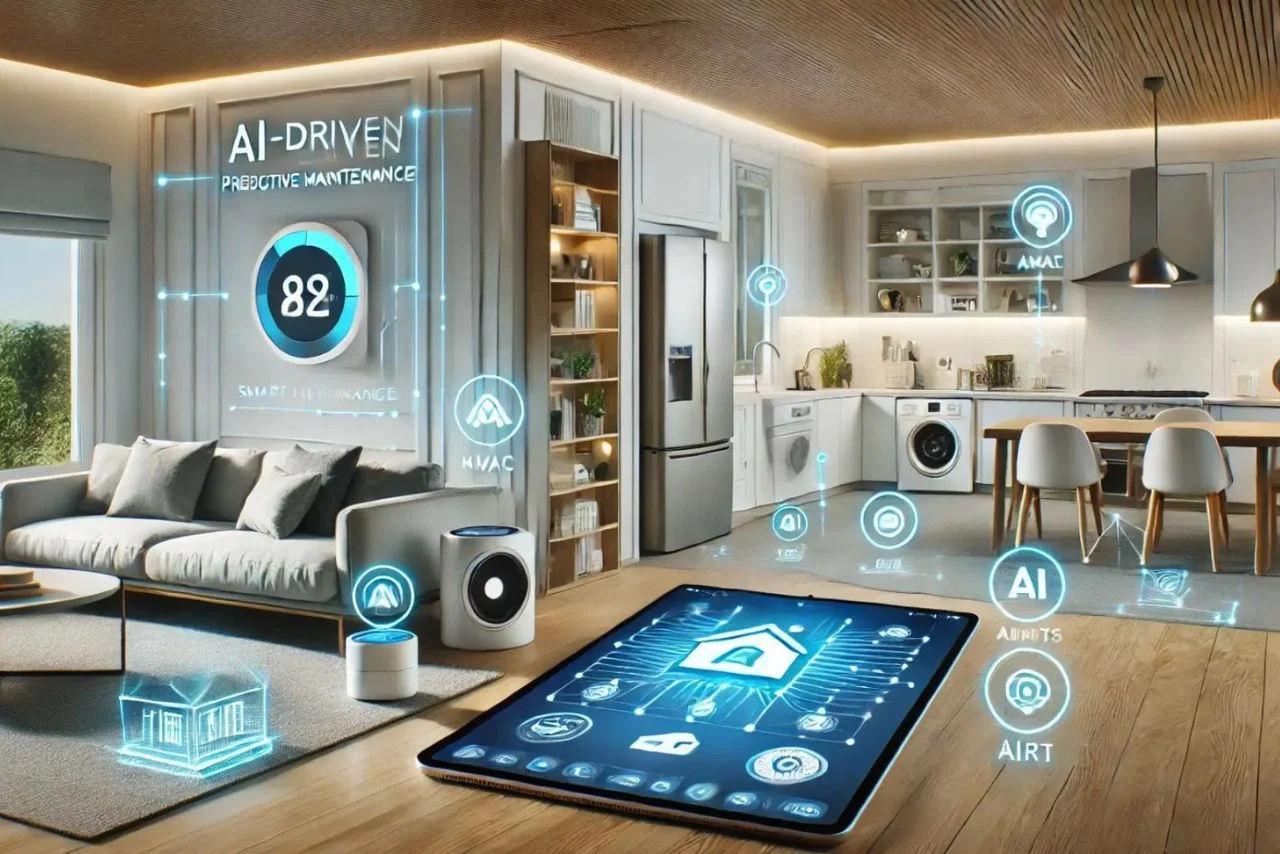
Pervasive sensor arrays and artificial intelligence will continuously monitor structural health and appliances. The system ensures constant evaluation of residential utility networks.
Machine learning tools will diagnose appliance performance issues before failures occur. Moisture sensors will identify early internal water line leaks.
Electrical monitoring systems will continuously audit power network safety. Automated notifications will alert homeowners ahead of necessary hardware service windows.
Centralized maintenance software will independently schedule certified technician appointments. This automated scheduling eliminates the stress of manual upkeep.
Declining component production costs will accelerate the adoption of these technologies across India. By 2030, mainstream households will utilize advanced tech to build safer, healthier lifestyles.
Future Outlook
The rapid evolution of the Indian domestic landscape points toward an era of unprecedented technological integration. As developers prioritize green building certifications and smart city compatibility, individual units will link into larger municipal grids. This shift will redefine real estate valuations, making tech-readiness a core market metric by the turn of the decade.
FAQs
What are the main benefits of a smart bathroom by 2030?
Smart bathrooms will focus on high hygiene, comfort, and proactive health tracking. Features include automated self-cleaning systems, heated commodes, and biometric sensors that monitor basic metabolic health parameters.
How will future Indian homes handle energy production?
Future residences will move from passive consumption to active production using solar roofs and energy-harvesting windows. Surplus power will be stored in home battery arrays and managed via digital energy dashboards.
Will these advanced residential technologies be affordable for average Indian families?
Yes. As manufacturing scales and technology becomes more cost-effective, these automated systems will transition from luxury items into standard fixtures across common Indian households by 2030.