Modi Commends Citizens for Supporting Economic Appeals Amid West Asia Crisis
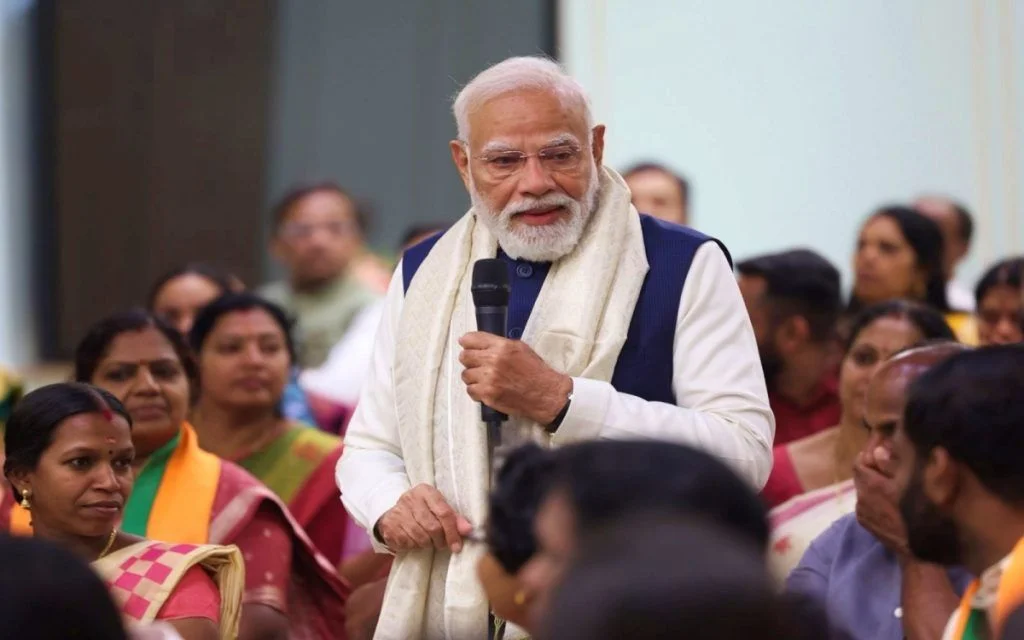
Prime Minister Narendra Modi expressed gratitude to Indian citizens for their positive response to austerity measures suggested during the ongoing Middle East conflict. Speaking on his monthly radio program, the leader noted that the public is actively implementing steps to stabilize the domestic economy.
Key Highlights
- PM Modi lauded the public for reducing gold consumption and deferring foreign trips during 2026.
- Citizens are adopting alternative strategies, including carpooling and recycling family jewelry for weddings.
- Market experts project that global bullion prices will face downward pressure due to US Federal Reserve policies.
New Delhi — Prime Minister Narendra Modi on Sunday praised the nation for its proactive response to his previous economic appeals issued during the escalating geopolitical crisis in West Asia. He stated that citizens have gone beyond mere approval by actively executing these measures in their daily lives.
Addressing the country during the 135th episode of his monthly radio broadcast, “Mann Ki Baat,” the Prime Minister highlighted the domestic behavioral shift. He acknowledged public cooperation in curbing luxury expenditures to shield the national economy from global shockwaves.
“In view of the prevalent war-like situation in West Asia, I had urged countrymen on a few points,” Modi stated. “I had asked people to avoid buying gold for some time, as far as possible. I am grateful to every citizen of the country; not only have they supported my appeal, they are also actively cooperating in every way.”
The prime ministerial address follows a comprehensive directive issued earlier this 2026, where he outlined strategy points to counter global volatility. These directives urged citizens to prioritize remote work, minimize fuel consumption, defer overseas vacations for 1 year, choose indigenous products, decrease cooking oil consumption, adopt natural agricultural methods, and restrict bullion purchases.
Modi noted that the public has embraced these conservation measures with practical adjustments. He remarked that citizens are regularly communicating their personal conservation metrics and lifestyle shifts directly to him.
“Many families have shared their experiences with me through messages,” the Prime Minister said. “People have shared many experiences regarding carpooling as well. Those who used to travel in their own vehicles in the same direction every day have now started commuting together.”
Addressing the reduction in precious metal demand, Modi observed that households are modifying traditional marriage custom expenditures. He noted a rising trend in utilizing existing resources rather than acquiring new assets.
“Numerous families have decided not to buy gold for weddings in their homes this time; if the need arises, they would recycle old gold to create new jewellery,” he stated. “Many people have even written on social media how they have postponed their foreign travel this time.”
Concurrently, financial analysts report that the physical gold market will likely face headwinds throughout the upcoming month. Commodity experts tie this trend to broader global macroeconomic shifts, predicting high volatility as market participants track the US Federal Reserve, inflationary markers, the US dollar index, and geopolitical tensions.
“Spot gold has managed to recover from its recent seven-month low after a sharp fall earlier this week, but the overall trend remains weak,” said Riteshkumar Sahu, Senior Manager of Commodities Research at Kotak Neo. He clarified that recent US inflation metrics temporarily aided bullion as bond yields softened.
Sahu added that a strengthening greenback and robust employment figures in the United States maintain downward pressure on the metal. He noted that lingering expectations for a subsequent US Federal Reserve interest rate hike later this 2026 continue to cap potential commodity gains.
Future Outlook
As geopolitical tensions persist in West Asia, the Indian consumer market is expected to witness prolonged shifts in spending habits. Analysts project that if domestic gold recycling continues to replace fresh imports, India’s current account deficit could see noticeable relief in the subsequent quarters of 2026. However, the sustainability of these consumer conservation trends will heavily depend on the duration of the Middle East conflict and the subsequent stabilization of global fuel and commodity supply chains.
FAQs
Why did PM Modi ask citizens to avoid buying gold?
PM Modi requested a temporary reduction in gold purchases to help stabilize the domestic economy and manage import costs during the volatile geopolitical crisis in West Asia.
What alternative measures did the Prime Minister praise during Mann Ki Baat?
The Prime Minister commended citizens for adopting carpooling practices, postponing overseas vacations, and recycling existing family jewelry for weddings instead of buying new gold.
What parameters are currently influencing global gold prices?
According to market experts, gold prices are being driven by the US Federal Reserve’s interest rate trajectory, inflation data, US employment figures, a strong US dollar, and ongoing geopolitical tensions.