Maharashtra Assembly Elections 2024 Manifestos Released
The ruling Bharatiya Janata Party and the opposition Maha Vikas Aghadi alliance have unveiled their competing manifestos in Mumbai ahead of the upcoming Maharashtra Legislative Assembly Elections. Both coalitions have proposed major financial assistance programs, agricultural relief packages, and employment initiatives to secure voter support across the state.
Key Highlights
- The BJP pledged to increase monthly welfare payments under the Laadki Bahin scheme from ₹1,500 to ₹2,100.
- The opposition MVA coalition countered by promising ₹3,000 per month for female residents.
- The BJP committed to generating 10 million jobs, while the MVA promised a 250,000 state government recruitment drive.
- Agricultural relief measures feature prominently in both manifestos, including enhanced loan waivers and financial incentives.
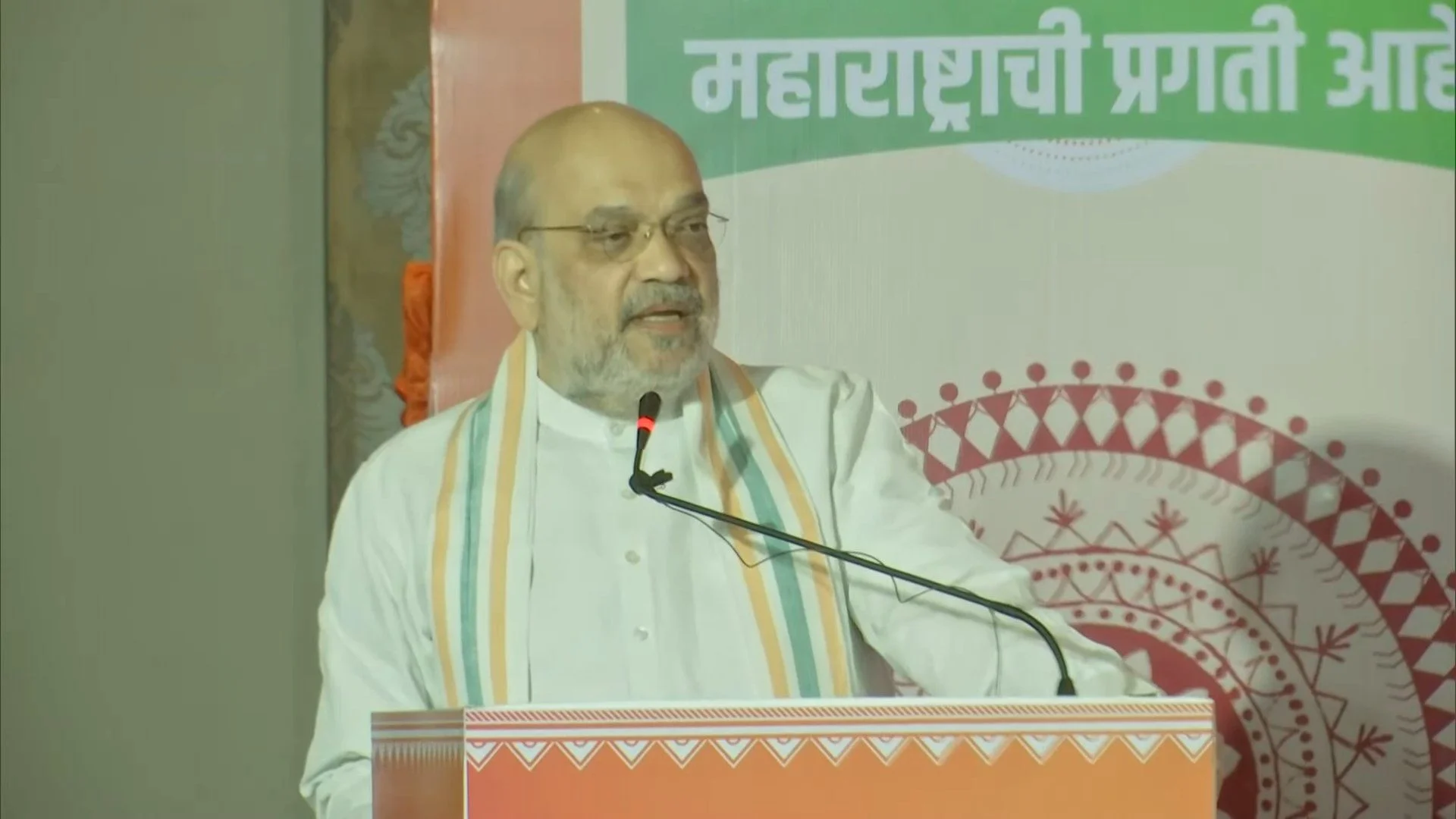
Union Home Minister and senior BJP leader Amit Shah launched the Bharatiya Janata Party’s ‘Sankalp Patra’ manifesto in Mumbai for the upcoming state legislative polls. The ruling party’s platform focuses on expanding welfare distributions, providing student stipends, and implementing major infrastructure upgrades.
Key promises in the BJP platform include raising monthly financial aid under the Laadki Bahin initiative to ₹2,100, broadening agricultural loan waivers, and providing ₹10,000 monthly stipends to 1 million students. The alliance also pledged a 30% reduction in electricity bills by transitioning toward renewable energy resources.
The ruling party’s manifesto additionally guarantees the creation of 10 million employment opportunities over the next five years. To achieve a drought-free Maharashtra, the document outlines extensive irrigation developments, river water diversion initiatives, and monsoon water redirection projects. Union Minister Piyush Goyal, Maharashtra Deputy Chief Minister Devendra Fadnavis, and other prominent BJP figures attended the official publication event.
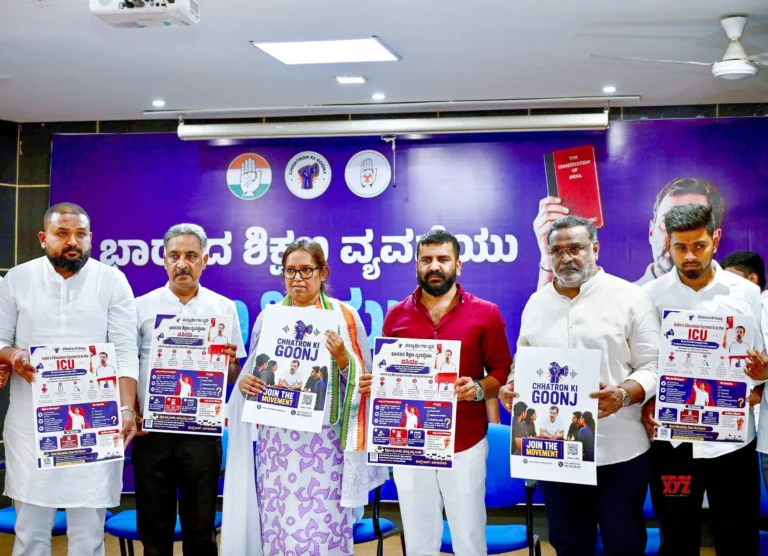
Concurrently, the opposition Maha Vikas Aghadi coalition organized a separate event in Mumbai to present its own electoral roadmap. Congress President Mallikarjun Kharge led the launch alongside Nationalist Congress Party (SP) leader Supriya Sule and Shiv Sena (UBT) leader Sanjay Raut, among other alliance figures.
The MVA platform guarantees a monthly payout of ₹3,000 for women and up to ₹4,000 per month for educated, unemployed citizens. Furthermore, the opposition pledged a farm debt waiver of up to ₹300,000, a ₹50,000 incentive for consistent loan repayment, and an immediate recruitment drive to fill 250,000 vacant state government positions.
Future Outlook
The simultaneous release of these competing manifestos sets the stage for an intense electoral battle centered on populist economic policies. Analysts expect that the fiscal feasibility of these welfare schemes, particularly the direct cash transfers to women and extensive farm loan waivers, will become central debate points leading up to the election. The outcomes will heavily depend on which coalition successfully convinces voters of its ability to deliver on these massive financial commitments without destabilizing the state budget.
FAQs
What are the main financial promises made to women in the Maharashtra election manifestos?
The ruling BJP has committed to raising the monthly allowance under the Laadki Bahin scheme from ₹1,500 to ₹2,100. In response, the opposition MVA alliance has promised a higher monthly payout of ₹3,000 for women in the state.
How do the BJP and MVA manifestos compare on employment generation?
The BJP has pledged to create 10 million jobs over the next five years alongside providing ₹10,000 stipends for 1 million students. The MVA has focused on immediate public sector employment, promising a recruitment drive for 250,000 vacant positions within the state government, plus monthly support for unemployed youth.
What agricultural relief measures have been proposed for Maharashtra farmers?
The BJP manifesto outlines enhanced loan waivers and massive irrigation infrastructure projects to redirect monsoon waters and end droughts. The MVA has proposed a formal debt waiver for farmers up to ₹300,000, along with a ₹50,000 financial incentive for individuals who consistently repay their agricultural loans on time.