India-Pakistan Indus Waters Treaty Suspended Over Terror Disputes New Delhi maintains water treaty suspension amid threats from Islamabad
India-Pakistan Indus Waters Treaty Suspended Over Terror Disputes New Delhi maintains water treaty suspension amid threats from Islamabad. Indus Waters Treaty india-pakistan-indus-waters-treaty-suspended India, Pakistan, Indus Waters Treaty, cross-border terrorism, Track-II dialogue, South Asia conflict, regional security politics
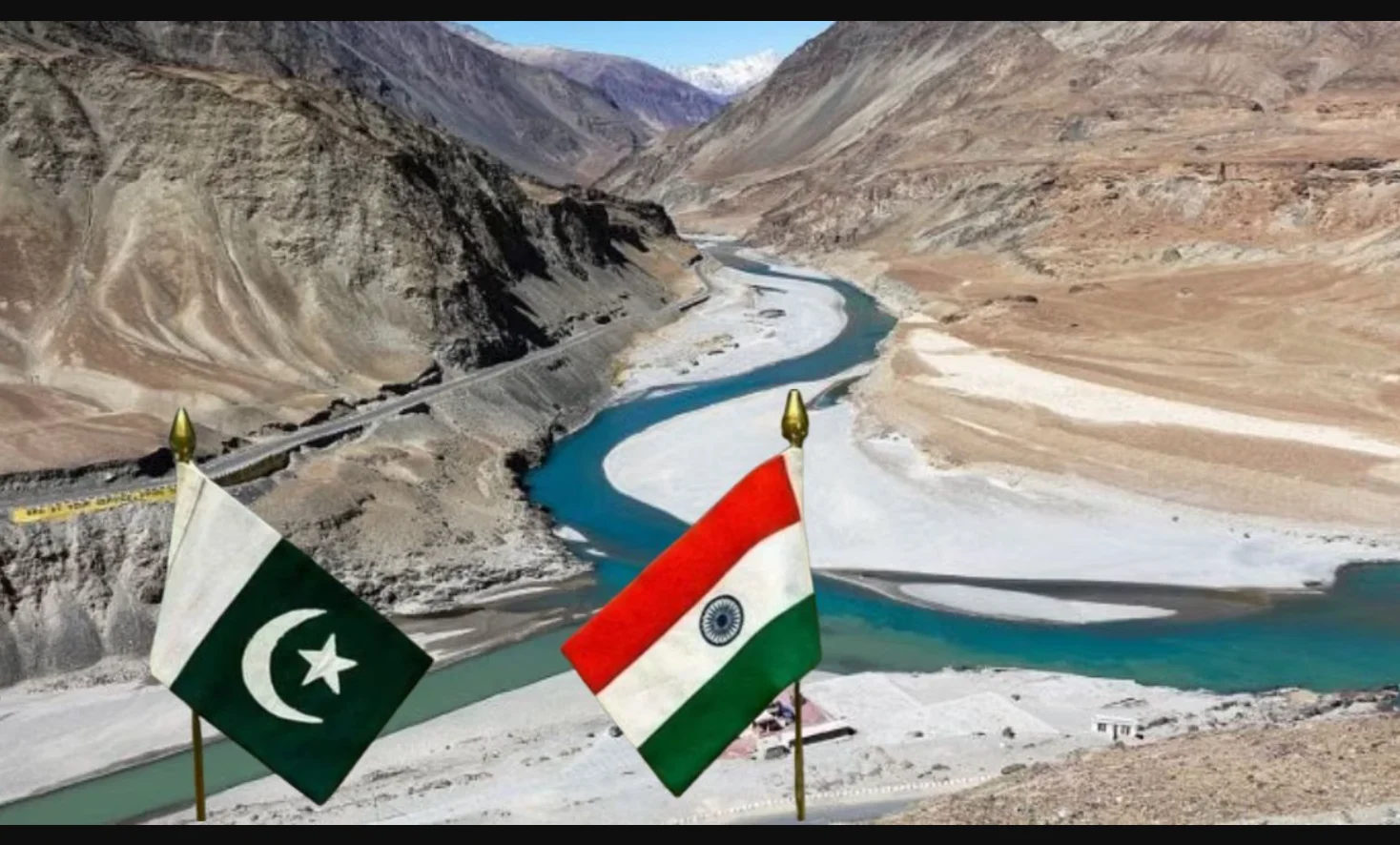
India’s foreign ministry confirmed the prolonged suspension of the historic Indus Waters Treaty, tying its resumption directly to the cessation of cross-border terrorism from Pakistan. The decision cements New Delhi’s rigid diplomatic posture following recent military confrontations, transforming a 66-year-old water-sharing agreement into a critical geopolitical lever.
Key Highlights
- India maintains the suspension of the 1960 treaty until cross-border terrorism stops completely.
- Pakistan warns that any unilateral restriction of western river flows could spark military action.
- Backchannel Track-1.5 and Track-2 dialogues continue in neutral venues despite domestic strategic skepticism.
- New Delhi continues demanding the extradition of high-profile fugitives as a prerequisite for normalization.
India’s external affairs ministry verified on June 5, 2026, that the landmark water pact will remain frozen. This position mirrors the stance adopted after the Pahalgam terror strike and the subsequent four-day war in May 2025. Pakistan’s defense minister retaliated by warning that any Indian maneuvers to block river volumes could provoke a military response.
The agreement, which endured for over six decades before New Delhi enacted the suspension, manages the vital distribution of the Indus river network. It has historically withstood numerous full-scale wars since its inception in 1960.
Why the Treaty Matters and What Suspension Means in Practice
The bilateral framework assigned the eastern rivers—comprising the Ravi, Beas, and Sutlej—to India. Meanwhile, the western channels—the Indus, Jhelum, and Chenab—were designated primarily for Pakistan. Islamabad relies heavily on these western currents to feed its massive agricultural sector.
Reports on June 22, 2026, indicate this environmental friction is mutating into a highly volatile flashpoint amid post-war hostilities.
New Delhi has withheld any official directives to physically reroute or stem the river flows. Observers view the current suspension as a tactical diplomatic asset rather than a functional redirection of water assets.
Track-II Talks Have Started but the Core Issues Remain Unresolved
Diplomats from both nations recently convened for informal Track-2 discussions managed by the International Institute for Strategic Studies in Colombo. The summit represents the initial backchannel contact since the absolute breakdown of bilateral ties after the Pahalgam incident.
Security analysts argue that water management negotiations will remain paralyzed until tangible progress occurs regarding regional terrorism. India explicitly links the two systemic challenges within its strategic framework.
The Indus Waters Treaty is suspended, Pakistan’s defense minister has spoken about war, and backchannel talks have barely begun. The distance between those three facts is where the risk lives.
Sections of India’s security establishment are openly challenging these backchannel efforts, which began in July 2025. Experts suggest normalization disproportionately favors Islamabad while ignoring India’s foundational security anxieties.
Records indicate at least five sessions occurred across London in July 2025, Muscat in October 2025, Thailand in December 2025, Doha in February 2026, and Colombo in June 2026. These sessions combined retired officers, strategic specialists, and former diplomats. The Thailand assembly operated under the Chao Track initiative, co-managed by New Delhi’s Centre for Social and Economic Progress and Islamabad’s Jinnah Institute.
Insiders reveal that India holds significant diplomatic assets but seeks concessions that Pakistan refuses to grant. New Delhi’s core prerequisites involve the handover of wanted individuals tied to terror plots, including Masood Azhar, Hafiz Saeed, and Dawood Ibrahim.
The strategic skepticism persists because Pakistan’s state rhetoric remains aggressive, border areas stay hostile, and cross-border infrastructure remains fully operational. Some officials trace the talks back to statements by former US Secretary of State Marco Rubio on May 10, 2025, regarding a negotiated ceasefire, though New Delhi maintains that understanding was limited to military de-escalation managed by Directors General of Military Operations without third-party mediation.
History of the Indus Waters Treaty
The Indus Waters Treaty was brokered by the World Bank and signed on September 19, 1960, by Indian Prime Minister Jawaharlal Nehru and Pakistani President Ayub Khan. For over 65 years, it stood as one of the world’s most successful transboundary water agreements, surviving major conflicts in 1965, 1971, and 1999. The treaty gives India control over roughly 20% of the total water carried by the Indus system, leaving the remaining 80% for Pakistan’s downstream usage.
FAQs
What is the current status of the Indus Waters Treaty?
The treaty remains suspended by India as of June 2026. New Delhi refuses to reinstate the agreement until Pakistan demonstrates a verified and complete halt to cross-border terrorism.
Why is the western river system vital to Pakistan?
Pakistan’s agricultural economy depends almost entirely on the western rivers assigned under the treaty. Any reduction or diversion of these waters by upstream India threatens its national food and economic security.
What are Track-1.5 and Track-2 diplomacy channels?
Track-1.5 diplomacy involves a combination of official government authorities and non-governmental experts interacting informally. Track-2 diplomacy consists exclusively of private citizens, academics, and non-governmental organizations operating without state participation.