Andy Burnham Will Make His Return to Westminster After Winning the Makerfield By-Election
Andy Burnham Will Make His Return to Westminster After Winning the Makerfield By-Election
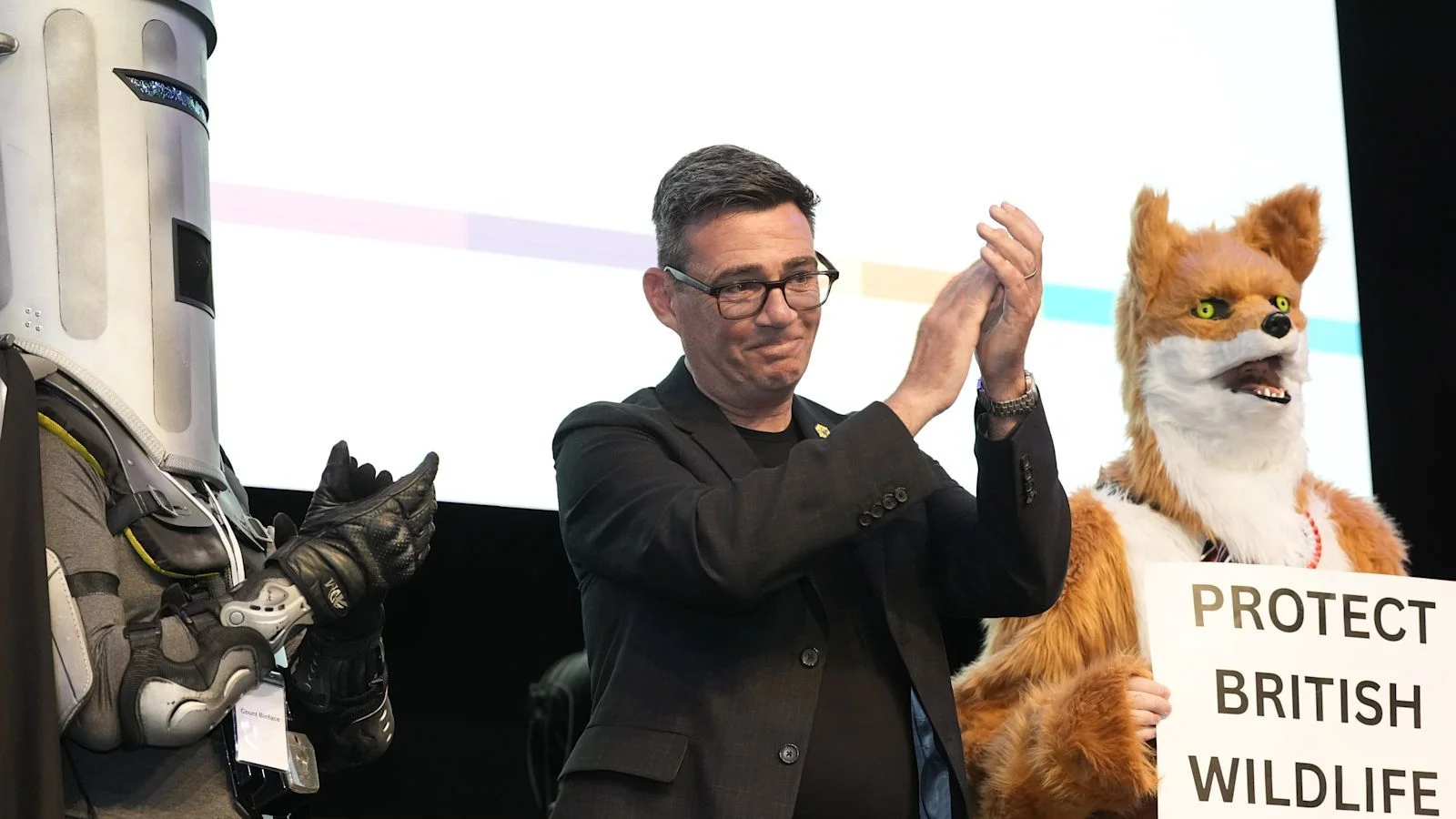
Andy Burnham has secured his return to Westminster following a decisive victory in the Makerfield by-election. The Greater Manchester Mayor successfully defended the Labour stronghold, achieving a substantial majority of 9,241 votes to defeat his closest rivals.
Key Highlights
- Andy Burnham won the Makerfield by-election with 24,937 votes, marking a major political comeback.
- The voter turnout reached 58.75%, the highest recorded for a parliamentary by-election in nearly 7 years.
- The defeat marks a second consecutive by-election loss for Reform UK in the North West region.
- Burnham must now resign as Metro Mayor, triggering a new mayoral election for Greater Manchester.
In his post-election victory speech, Andy Burnham addressed supporters by stating that public consensus indicates current British politics is failing. He noted the widespread sentiment that the United Kingdom is underperforming and suggested this electoral result could mark a definitive national turning point.
Burnham pledged to dedicate his full energy toward ensuring that Makerfield becomes central to driving national political reform. The newly elected Member of Parliament expressed immense pride in the constituency for drawing global attention during the weeks of intense campaigning.
He praised local residents for displaying exceptional warmth, humor, and hospitality throughout the voting period. Burnham emphasized that the seat would serve as his permanent political touchstone rather than a temporary stepping stone.
He stated that placing a “Makerfield test” at the center of British governance would guarantee fairness for regions previously overlooked by Westminster. During the campaign, Burnham informed reporters that the vote represented an appetite for change, promising enhanced authority and influence for the area.
Despite maintaining widespread popularity as Metro Mayor, Burnham faced sustained criticism from opposing political parties. Rivals accused him of utilizing the Makerfield seat as a strategic launchpad to challenge for the Labour leadership and prime ministership.
Burnham dismissed these allegations, calling it unusual to label a return to the area where his career began 25 years ago as a stepping stone, referencing his tenure as MP for neighboring Leigh.
Nevertheless, he confirmed he would contest any future leadership vacancy to succeed Sir Keir Starmer. Long-term polling indicates Burnham remains the most popular Labour figure nationally, with his previous absence from Parliament serving as the sole barrier to a leadership challenge.
The Greater Manchester Mayor is now designated to represent the Makerfield constituency in the House of Commons. The sudden by-election occurred after former Labour MP Josh Simons resigned, intentionally clearing the path for Burnham to seek a Westminster return.
Political analysts framed the contest as a direct battle between Burnham and Reform UK candidate Robert Kenyon. Burnham utilized the platform to demonstrate Labour’s capability to reclaim voters who had migrated to Reform UK.
Reform UK leader Nigel Farage elevated the stakes by declaring the contest the most significant by-election in 50 years, describing the campaign as a classic David versus Goliath struggle.
The definitive loss raises fresh doubts regarding Reform UK’s growth potential across North West England. This setback follows another recent by-election defeat to the Green Party in the Greater Manchester seat of Gorton and Denton.
Despite finishing second, Kenyon achieved a notable rise in his percentage of the electorate. He previously secured 18% of the vote during the 2024 General Election when contesting the identical seat.
Although Makerfield is historically a safe Labour seat, recent local voting patterns had cast doubt on Burnham’s prospects. Prior to the declaration, Cabinet Minister Lisa Nandy admitted that local municipal losses had made a Labour victory seem highly uncertain seven weeks earlier.
Nandy remarked that being in a position to secure a historic win was an extraordinary achievement attributable entirely to Burnham’s personal appeal. She suggested no other contemporary Labour politician could have achieved this specific outcome.
The political volatility was highlighted in Wigan, which contains parts of the constituency, where Labour lost all 22 of its council seats during the May local elections. Reform UK dominated that cycle, capturing 24 out of 25 available seats.
Looking at the specific 8 Makerfield wards involved in those local elections, Reform UK captured 50% of the total vote share compared to Labour’s 23%.
With Burnham expected to arrive at Westminster on Monday, immediate attention turns to the timing of a potential leadership challenge against Starmer. His parliamentary return necessitates his formal resignation as Greater Manchester Mayor, forcing a fresh mayoral election.
Both Reform UK and the Green Party are expected to campaign aggressively for the vacant mayoral post. Current plans indicate Deputy Mayors Paul Dennett or Kate Green will assume interim mayoral duties until an official election occurs.
Internal rivalries are already surfacing, with Health Secretary Wes Streeting confirming his intention to run in any future leadership contest. Former Deputy Prime Minister Angela Rayner and Environment Secretary Ed Miliband have similarly signaled their potential candidacies.
Official tracking confirmed the final ballot declaration occurred just after 3:00 AM on Friday, June 19, 2026. Burnham secured exactly 24,937 votes amid exceptional public engagement.
Future Outlook
The political calendar points toward a tense autumn as the annual Labour Party Conference returns to the ACC Liverpool from September 27 to September 30, 2026. The conference remains one of Europe’s largest political assemblies, drawing more than 20,000 delegates annually.
Key moments will include the Chancellor’s address on September 28, followed by the Prime Minister’s speech on September 29. This year, speculation mounts that Burnham could use the conference to solidify a challenge for No. 10.
Party rules dictate that any challenger wishing to trigger a leadership contest against an incumbent leader must first secure nominations from 20% of the Parliamentary Labour Party, amounting to 81 MPs, alongside local branch endorsements. While Starmer insists he will fight any challenge, Burnham’s allies state he will not accept a standard government frontbench role, focusing instead on the party’s ultimate prize.
FAQs
What was the final majority for Andy Burnham in the Makerfield by-election?
Andy Burnham won the seat with a majority of 9,241 votes, securing a total of 24,937 votes to beat Reform UK candidate Robert Kenyon.
What was the voter turnout for this specific election?
The final voter turnout was verified at 58.75%, making it the highest recorded turnout for a UK parliamentary by-election in nearly 7 years.
Who will manage the Greater Manchester mayoralty after Burnham resigns?
Following Burnham’s mandatory resignation to take his seat in Parliament, one of the current Deputy Mayors, either Paul Dennett or Kate Green, will become the interim Metro Mayor until a fresh election is organized.
What are the party rules for challenging a sitting Labour leader?
To launch a formal leadership challenge, a Labour MP must successfully secure written nominations from at least 20% of the Parliamentary Labour Party, which currently requires 81 MPs, plus support from 5% of local party branches or three affiliated groups.