India Israel Iran Foreign Policy Strategy West Asia
New Delhi must navigate escalating instability in West Asia by prioritizing maritime security, domestic defense capabilities, and energy stability. A pragmatic alignment with Tel Aviv, balanced alongside transactional diplomatic relations with Tehran, serves the long-term national interest of the country far better than traditional neutral stances.
Key Highlights
- Strategic defense and intelligence cooperation with Tel Aviv directly bolsters New Delhi’s sovereign security and counter-terrorism infrastructure.
- Transactional diplomacy with Tehran remains necessary to secure continental access via the critical Chabahar Port gateway.
- Diversification of the national energy basket minimizes domestic vulnerability to external sanctions targeting Persian crude oil exports.
- Public rhetoric regarding sensitive internal sovereign matters reveals a distinct contrast in diplomatic respect between the two Middle Eastern nations.
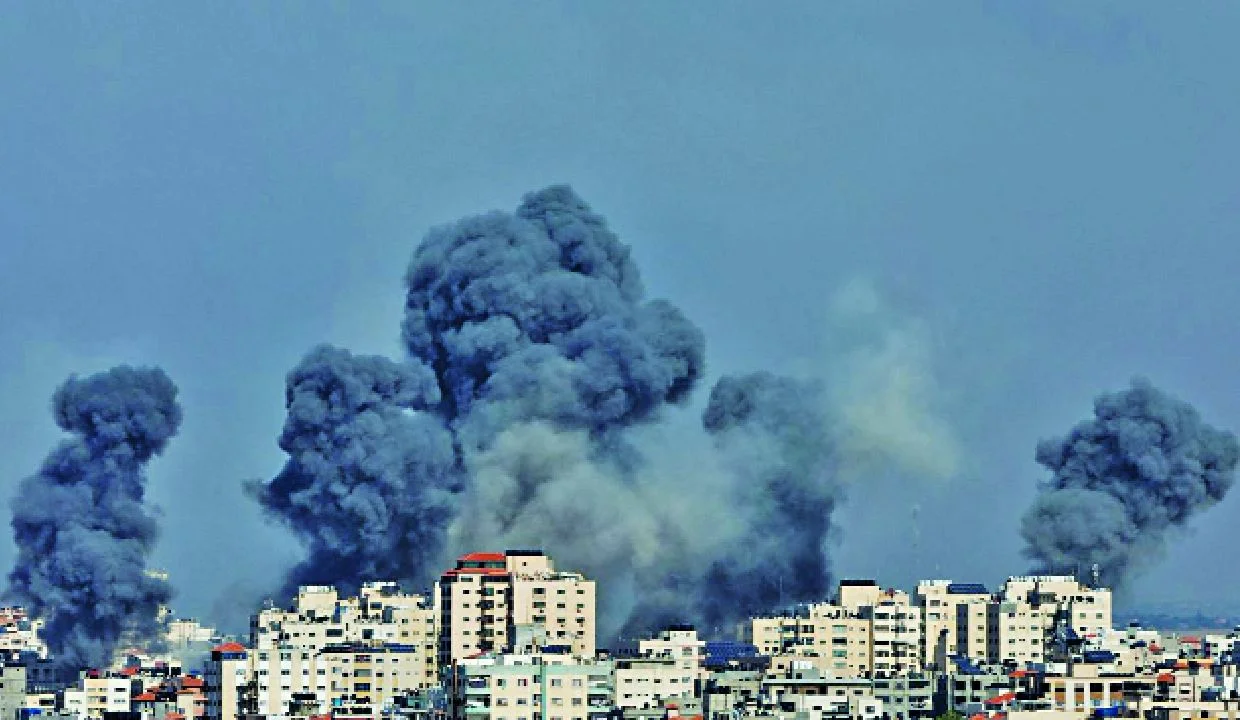
Growing volatility across West Asia prompts strategic circles in New Delhi to reassess long-standing foreign policy paradigms. When deep divisions fracture relations between Iran and Israel, India faces choices regarding its long-term alliance architecture. While historical approaches favored absolute neutrality, evolving geopolitical realities suggest contemporary security alignments lean decisively toward Tel Aviv over Tehran.
Deep civilizational ties connect India with ancient Persia through centuries of cultural exchange. However, historical records also document disruptive interactions, such as the destructive 1739 invasion led by Nadir Shah. While modern diplomatic relations are not dictated by eighteenth-century conflicts, such memories underscore that strategic partnerships rest on power dynamics rather than sentimentality.
During major security crises since independence, including conflicts with Pakistan in 1948, 1965, 1971, and the 1999 Kargil war, Tehran frequently adopted ambiguous stances. Driven by Islamic solidarity, its position often favored Islamabad. Conversely, Tel Aviv systematically expanded bilateral security ties with New Delhi following the establishment of formal diplomatic relations in 1992.
Both nations confront identical security threats stemming from cross-border militancy, radical networks, and hostile non-state actors. Tel Aviv consolidated its position as a critical defense supplier during periods of acute geopolitical urgency. During the Kargil conflict, the nation accelerated the delivery of precision-guided munitions and aerial surveillance drones.
Bilateral cooperation subsequently expanded into sophisticated missile defense platforms, advanced border surveillance systems, comprehensive counter-terrorism training, and robust cyber security infrastructure. Meanwhile, Iranian leadership, including the late Supreme Leader Ali Khamenei, periodically criticized domestic policies in Kashmir. These statements framed sovereign Indian administrative actions in restrictive religious and humanitarian terms.
Strong personal rapport between Prime Minister Narendra Modi and Prime Minister Benjamin Netanyahu elevated the bilateral relationship into a comprehensive strategic partnership. Today, Israel ranks alongside Russia, France, and the United States as a primary defense partner. Deep intelligence sharing and homeland security coordination significantly enhance counter-terrorism operations along sensitive border zones.
Recurrent commentary on Kashmir from Tehran invoking Islamic solidarity continues to complicate bilateral diplomacy. During periods of heightened subcontinental friction, Iranian messaging routinely mirrors religious solidarity narratives. This stance contrasts sharply with the explicit diplomatic backing required to respect New Delhi’s absolute territorial sovereignty.
This diplomatic posture presents a persistent dilemma for strategic planners in New Delhi. Tehran frequently overlooks internal sectarian violence targeting Shia communities within Sunni-majority Pakistan, a nation historically aligned with Saudi Arabia. Furthermore, Iran maintains close rhetorical ties with Islamabad despite Pakistan’s long-standing military alignment with Washington.
Tehran’s alignment with Islamabad on core sovereign matters like Kashmir creates direct diplomatic friction with New Delhi. For India, the status of Kashmir represents a non-negotiable domestic matter. External attempts to reframe this issue through a religious lens run contrary to the spirit of historic civilizational ties.
The diplomatic approach from Tel Aviv offers a sharp contrast in statecraft. Despite holding divergent views on various international developments, Israel consistently respects Indian sovereignty. The nation refrained from commenting on internal constitutional adjustments, including the 2019 abrogation of Article 370, demonstrating adherence to strict diplomatic red lines.
While Iran historically functioned as a vital energy supplier, New Delhi successfully diversified its crude oil procurement matrix. Major energy imports are now distributed across Iraq, Saudi Arabia, the UAE, Russia, and the United States. Consequently, international sanctions targeting Tehran have systematically reduced Indian reliance on Persian crude oil.
Simultaneously, Israel drives high-technology cooperation across sectors vital to future economic expansion, including agriculture technology, water management, artificial intelligence, cyber security, and defense innovation. These highly specialized commercial partnerships remain resilient against sanctions politics while advancing India’s aspirations as a technological power.
The foundational doctrine of strategic autonomy dictating Indian statecraft ensures that deepening ties with Tel Aviv does not require abandoning Tehran. New Delhi continues to invest heavily in the development of the Chabahar Port, utilizing the infrastructure as a vital transit gateway to Central Asia and Afghanistan.
Yet, amid intensifying regional polarization, strategic choices must prioritize verifiable security reliability and defense operationality. Israel consistently demonstrates reliable defense cooperation and international diplomatic alignment. Conversely, Iran remains constrained by heavy international sanctions, regional proxy operations, and an ideological framework that occasionally challenges Indian national interests.
Both democracies face direct security challenges from radical extremist networks. Joint initiatives in surveillance technology, intelligence gathering, and counter-insurgency doctrines provide mutual benefits. Tel Aviv’s expertise in border fencing infrastructure and unmanned aerial vehicles yields direct, practical applications for safeguarding Indian national borders.
In contrast, Tehran’s regional security doctrine relies extensively on proxy militias and asymmetric escalation across the Middle East. New Delhi’s strategic objectives require regional stability, uninhibited sea lanes, and coordinated counter-terrorism frameworks. Consequently, India cannot endorse an escalation model driven by regional proxy forces.
Modern foreign policy must prioritize cold realism over emotional civilizational narratives. While cultural ties with Iran warrant careful preservation, contemporary geopolitical realities demonstrate that Israel remains the more consistent partner concerning core sovereign security. Balancing pragmatic alignment with Israel alongside transactional ties with Iran best preserves long-term national security.
Future Outlook
As West Asia undergoes profound structural transformations, India’s foreign policy is shifting from traditional non-alignment to a strategy of issue-based partnerships. Evolving security dynamics indicate that New Delhi will increasingly decouple its technological and defense relationships from its energy diplomacy. The operationalization of continental trade corridors and deep-sea trade routes will require India to expand its naval footprint in the Indian Ocean and the Arabian Sea, ensuring maritime stability through closer coordination with partner navies, including Israel and moderate Arab states.
FAQs
How has Israel supported India during past military conflicts?
Israel acted as a critical defense supplier by expediting deliveries of military hardware during times of crisis. During the 1999 Kargil conflict, Tel Aviv quickly provided precision-guided munitions and advanced surveillance drones to assist Indian military operations.
Why is the Chabahar Port strategically important to India?
The Chabahar Port serves as a critical maritime gateway that allows India to bypass overland transit constraints through Pakistan. It establishes a direct commercial transport corridor connecting Indian ports to Afghanistan and the broader landlocked markets of Central Asia.
How has India mitigated its energy dependence on Iran?
India significantly diversified its international energy basket to protect its economy from geopolitical shocks. New Delhi shifted its crude oil procurement away from Iran by increasing import volumes from alternative suppliers, including Iraq, Saudi Arabia, the UAE, Russia, and the United States.