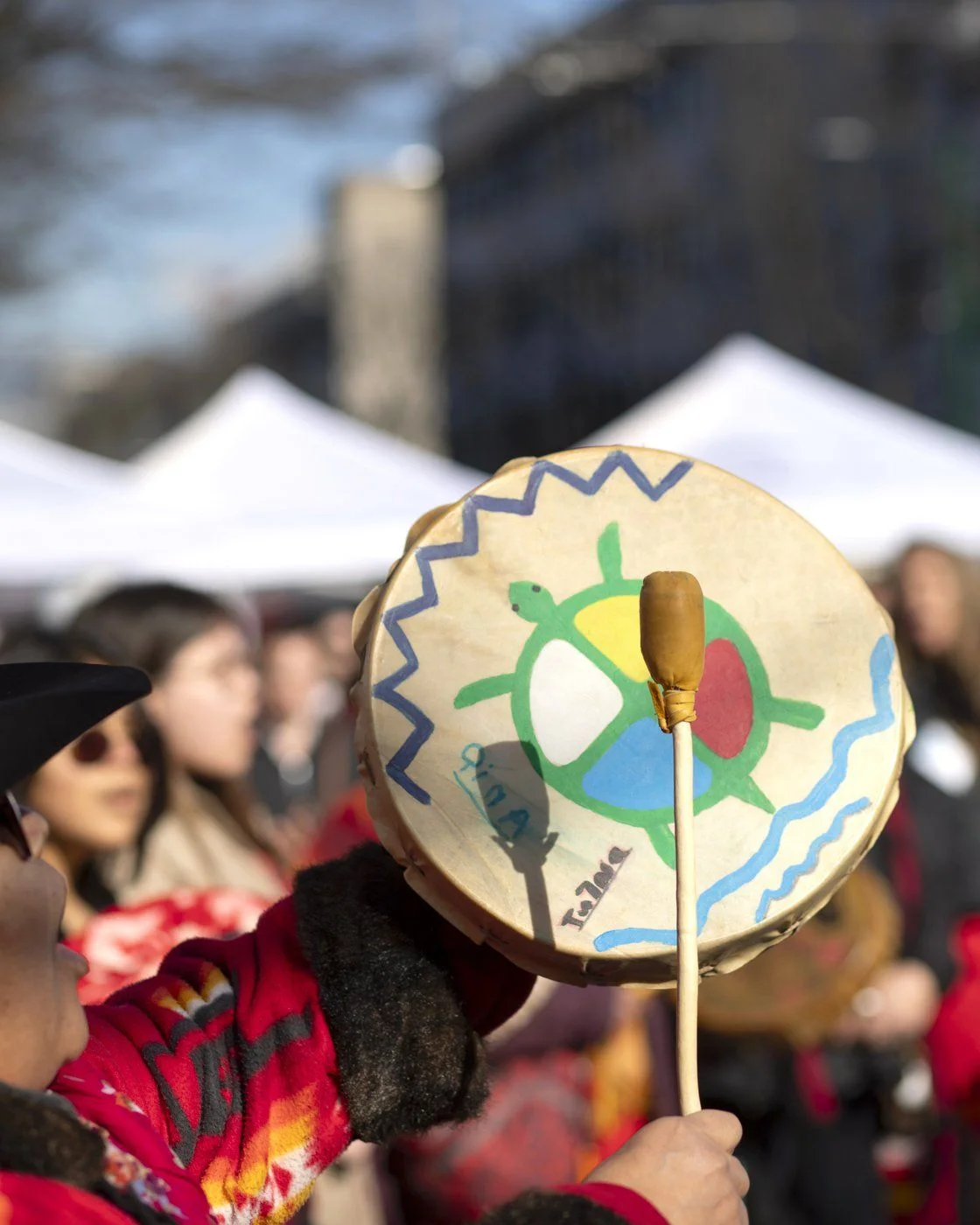
Canada Confronts Enduring Legacy of 1876 Indian Act
Canada marks National Indigenous History Month and National Indigenous Peoples Day on June 21 by confronting the colonial legacy of the 1876 Indian Act. The federal law serves as a contemporary legal mechanism governing First Nations bands, reserves, and systemic socio-economic realities across generations.
Key Highlights
- The 1876 legislation remains the primary legal structure regulating First Nations individuals, band councils, and ancestral reserve territories.
- Historical amendments stripping legal status from Indigenous women marrying non-Indigenous men were partially reversed only in 1985.
- The residential school system forced 150,000 children into assimilation, resulting in an estimated 6,000 deaths or disappearances before the final closure in 1997.
- Census data from 2021 reveals the Indigenous population grew 9.4% from 2016, representing a resilient, rapidly expanding domestic demographic.
The Indian Act of 1876 functioned as an administrative apparatus for structural oppression against Indigenous populations throughout domestic history.
National Indigenous History Month in June brings critical focus to this statutory framework. The legislation represents a functional legal system governing current First Nations communities rather than an archived artifact from a bygone era.
Modern political and socio-economic conditions for multiple generations of Indigenous Peoples remain tied to this overarching federal statute. The law dictates the state’s official interactions with First Nations individuals, administrative bands, and designated reserve geography.
Historically, compliance failures under the statutory terms triggered immediate financial penalties or incarceration. Living Indigenous elders survived eras where the state actively denied them fundamental democratic voting rights until federal franchise expansion in 1960.
Indigenous men automatically forfeited legal status and treaty rights upon earning university degrees or completing theological ordination. Furthermore, Indigenous women lost legal recognition, reserve residency rights, and band resource access when marrying non-Indigenous partners. Conversely, non-Indigenous women acquired full legal status through marriage to status men prior to statutory adjustments in 1985.
Pre-contact Indigenous societies managed highly sustainable, autonomous governance networks across their respective ancestral territories. Distinct political institutions, economic structures, ancestral traditions, localized languages, and resource management protocols defined each sovereign nation. This self-determination shifted abruptly when the federal government imposed European-style electoral systems for chiefs and council members. Imposing foreign governance frameworks dismantled traditional political models without addressing local community needs.
The state established geographic reserves to contain and manage Indigenous populations. This strategy simultaneously granted incoming settlers unhindered access to local fisheries, game, timber, and valuable mineral deposits.
The administration implemented a restrictive permit system to block Indigenous farmers from participating in open agricultural markets. Statutory provisions banned individuals from selling, bartering, or distributing reserve-grown crops and products without explicit written bureaucratic approval.
The government banned Indigenous individuals from entering commercial pool halls. Officials claimed frequenting these establishments wasted time and money, encouraged family neglect, and slowed assimilation into western society.
The federal state forcibly replaced traditional names with European alternatives to streamline demographic registration systems. This 19th-century assimilation policy altered entire communities to erase ancestral connections and kinship lineages.
Settlers routinely classified traditional naming conventions as overly complex or unpronounceable. Indigenous cultures utilized hereditary, spiritual, familial, clan, and animal names carrying distinct communal responsibilities and intangible wealth. Colonial administrators rejected these naming systems during registration.
The state explicitly criminalized the potlatch and related cultural ceremonies. The potlatch served as the central societal institution for Pacific coastal nations, facilitating the transfer of names, titles, and leadership responsibilities. The ceremonies distributed community wealth, confirmed societal rank, marked marriages or births, and commemorated passings before being driven underground. Missionaries and state agents condemned the practice as an impediment to total cultural assimilation.
European observers misconstrued a socioeconomic framework where rank depended on wealth distribution rather than capital accumulation. The potlatch ban lasted more than 70 years, depriving three successive generations of vital ancestral traditions and destroying thousands of sacred ceremonial items.
Matriarchal Indigenous societies traditionally held women in high esteem. Women maintained crucial positions within local governance, directed spiritual ceremonies, and held ancestral authority within the family network.
The Indian Act intentionally dismantled these maternal structures while introducing systemic vulnerabilities. This legislative erasure, combined with widespread residential school abuses, continues to impact Indigenous women.
The residential school system inflicted severe human suffering across First Nations, Inuit, and Métis communities. This policy stood as the most destructive element of state-sponsored assimilation.
The state removed 150,000 children from their families, banning Indigenous languages and spiritual practices. The Truth and Reconciliation Commission confirms at least 6,000 children perished or vanished from disease and malnutrition before the final facility closed in 1997.
State efforts to eliminate Indigenous identities failed to achieve total cultural genocide. Indigenous cultures show measurable resilience, with the 2021 census documenting a 9.4% population increase since 2016 driven by high fertility rates and increased self-identification.
Communities are successfully revitalizing indigenous languages and restoring original geographical place names to towns, landmarks, and streets.
Abolishing the law remains legally problematic because it simultaneously preserves specific Aboriginal rights and historical treaties. Current strategy centers on transitioning toward expanded, independent self-governance.
Replacing this legislative framework offers an opportunity to eliminate systemic stereotypes and construct a new bilateral relationship.
History of the Indian Act
The Indian Act of 1876 consolidated earlier colonial ordinances aimed at eradicating Indigenous culture in favor of Euro-Canadian assimilation. Over the next 150 years, the Canadian government used the Act to control every aspect of Indigenous life, from the restriction of movement via the pass system to the total ban on legal counsel for land claims. Despite multiple modern amendments, the underlying architecture of the Act still defines the legal status of First Nations people. The ongoing transition toward self-governance agreements represents an effort to bypass this colonial framework entirely.
FAQs
What is the Indian Act of 1876?
The Indian Act of 1876 is a Canadian federal statute that establishes the legal framework governing the state’s relationship with First Nations people, bands, and reserve lands. It historically functioned as an instrument of assimilation and containment.
When did Indigenous Peoples in Canada gain the right to vote?
Indigenous Peoples in Canada were granted the right to vote in federal elections in 1960 without being forced to give up their legal Indian status.
What was the purpose of banning the potlatch ceremony?
The Canadian government and Christian missionaries banned the potlatch ceremony because they viewed it as a wasteful practice that conflicted with Western economic values and hindered the cultural assimilation of coastal Indigenous nations.
How many children died or disappeared in the residential school system?
The Truth and Reconciliation Commission estimates that at least 6,000 of the 150,000 First Nations, Inuit, and Métis children who forcibly attended the schools between 1870 and 1997 died or disappeared.
Why is the Indian Act difficult to abolish completely?
Abolishing the Indian Act is a complex legal issue because, while it is a colonial tool, it also legally protects specific Aboriginal and treaty rights, land titles, and federal responsibilities toward First Nations communities.