New York Challenges Seneca Land Status in Federal Court
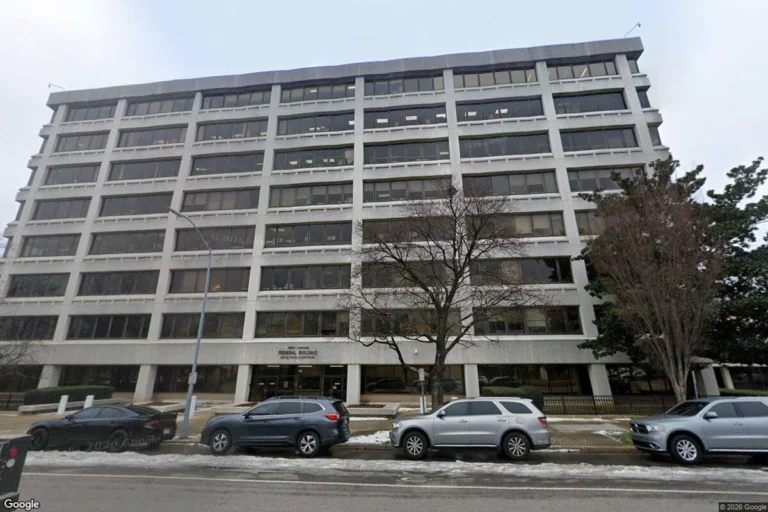
Governor Kathy Hochul’s administration filed two federal lawsuits on November 6 in the U.S. District Court for the Western District of New York, challenging restricted-fee land designations granted to the Seneca Nation in Buffalo and Grand Island.
The lawsuits name the U.S. Department of the Interior as the primary defendant and challenge its authority under the Seneca Nation Settlement Act of 1990. New York argues that federal decisions improperly removed tribal properties from state and municipal jurisdiction.
The disputed properties include 5 Miami Street and 124 Chicago Street in downtown Buffalo, where the Nation is developing a fueling station and cannabis dispensary, and a separate 207-acre property on Grand Island.
Buffalo Development Faces Federal Challenge
The Department of the Interior granted restricted-fee status to the Buffalo properties in 2023, allowing the Seneca Nation to advance its planned Seneca One Stop commercial development.
The project has faced opposition from Buffalo Mayor Sean Ryan, whose administration previously pursued state-level legal action over construction and municipal oversight.
State court judges twice denied municipal requests for preliminary injunctions, allowing construction to continue.
Those earlier decisions addressed requests to halt development rather than the validity of the federal land designations. New York’s latest lawsuits challenge the legal foundation for exempting the parcels from certain local requirements.
The state maintains that the designation restricts Buffalo’s authority to apply zoning regulations, enforce building codes and collect property taxes.
Settlement Act Funding Under Scrutiny
New York’s central argument concerns the Seneca Nation Settlement Act of 1990, which established federal funding arrangements connected to tribal land acquisitions.
The Interior Department exceeded its statutory authority by approving restricted-fee status for the challenged properties.
New York argues that the funding mechanisms established by the 1990 Settlement Act were exhausted decades ago.
The state contends that the federal government cannot rely on those arrangements to approve subsequent property designations without satisfying the law’s requirements.
The state’s challenge focuses on whether the Interior Department had legal authority under the Settlement Act to approve the properties’ restricted-fee status.
These are allegations advanced in civil litigation, not findings that the Interior Department violated federal law.
Grand Island Acquisition Faces Scrutiny
The second lawsuit concerns a February 2026 Interior Department decision covering a vacant tract near Long Road and Bedell Road on Grand Island.
The Seneca Nation acquired the property in December 2025 for $1 from a commercial developer who had encountered difficulties with local development regulations.
State attorneys contend that the acquisition does not satisfy the statutory requirements for restricted-fee treatment. They also argue that the Grand Island property is disconnected from historic Seneca tribal territory.
Unlike the Buffalo parcels, which are associated with an active commercial construction project, the Grand Island property remains vacant.
The state’s complaint identifies several consequences of the designation, including limitations on environmental oversight, wetlands protections and municipal sewer regulation.
New York also raises concerns about the loss of authority to collect applicable property and sales taxes. The state’s position is that these exemptions interfere with powers ordinarily exercised by state and local governments.
Municipal and Tribal Interests
The Seneca Nation’s position on the new federal lawsuits must be distinguished from its previously expressed opposition to municipal restrictions on tribal development.
The dispute also involves the Nation’s longstanding efforts to exercise jurisdiction over land acquired under the Settlement Act.
For Buffalo’s municipal government, the immediate concern is whether local development rules can be enforced at a commercial site already under construction.
The federal lawsuits present a broader jurisdictional question because the Interior Department’s decisions determine how the challenged properties are treated under federal law.
Mayor Ryan’s earlier legal efforts focused on stopping construction through municipal litigation. The state’s new approach directly challenges the federal approvals supporting the Nation’s land status.
Federal Litigation and Next Steps
The cases now place the Interior Department’s designation authority before the U.S. District Court for the Western District of New York.
If New York succeeds, the challenged restricted-fee determinations could be invalidated, potentially restoring state and municipal regulatory authority over the properties.
If the federal designations are upheld, the existing restrictions on local jurisdiction would remain in place.
The immediate issue for the court is whether the Interior Department complied with the Settlement Act when it approved the Buffalo and Grand Island properties for restricted-fee status.