New York Confirms First Wild Deer CWD Case Since 2005
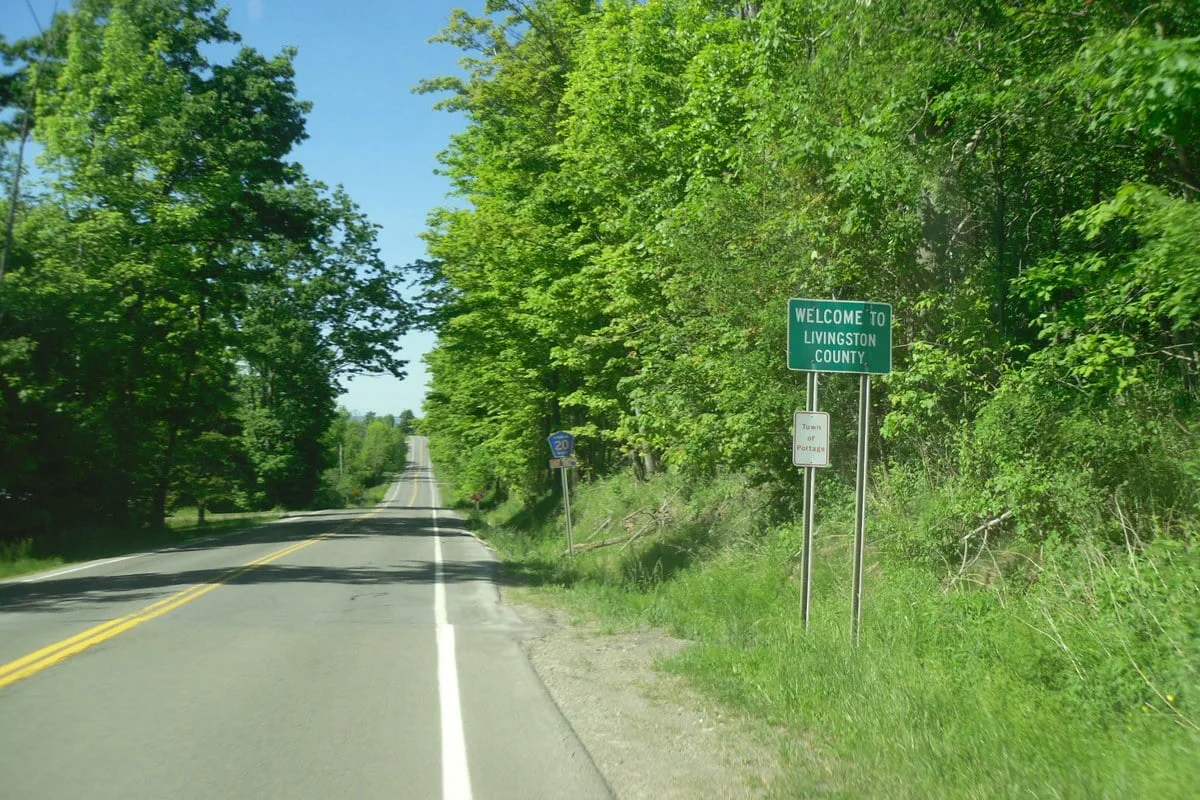
The November 6, 2026, that an adult female white-tailed deer harvested in Sparta, Livingston County, tested positive for chronic wasting disease (CWD” target=”_blank” rel=”noopener”>New York State Department of Environmental Conservation, marking New York’s first confirmed detection in a wild deer since 2005.
The discovery prompted a state response requiring mandatory testing in six towns, restrictions on transporting harvested deer and expanded surveillance to determine whether the fatal disease has spread within the local wild deer population.
The positive sample came from DEC’s annual wildlife surveillance program. The exact harvest date was not specified in the announcement.
DEC announced the positive finding on November 6. The testing laboratory and federal validation status were not established in the confirmed information.
Six-Town Containment Area Established
DEC established an initial containment area covering Conesus, Groveland, North Dansville, Sparta, Springwater and West Sparta.
The agency may expand the boundaries or establish additional restricted areas if further testing identifies positive cases elsewhere.
The response follows New York’s CWD Response Plan, developed jointly by DEC and the New York State Department of Agriculture and Markets. Both agencies are involved in efforts to prevent the disease from spreading through wild and captive deer populations.
DEC is implementing emergency measures under 6 NYCRR Part 189, New York’s existing CWD regulations. The rules govern carcass handling, movement of susceptible animals and deer rehabilitation within the affected area.
The containment regulations have no announced expiration date. Their duration and any changes to the restricted area will depend on further surveillance and management decisions.
Mandatory Testing for Deer Hunters
Every hunter who harvests a deer inside the containment area must submit tissue samples for testing, including animals that show no visible signs of illness.
Hunters must submit samples through DEC collection stations, cooperating processors or taxidermists, or designated head collection bins.
DEC said collection locations and operating hours would be published as stations became available. Instructions and testing arrangements are available through the agency’s [CWD information page](https://dec.
Hunters submitting deer heads for testing should follow DEC’s collection instructions:
- Remove the head with a portion of the neck remaining.
- Keep the head chilled or frozen until submission.
- Remove the skull plate and antlers from bucks unless taxidermy arrangements require otherwise.
- Place the head in a plastic garbage bag labeled with the hunter’s contact information.
- Complete the required DEC identification tag and secure the bag before depositing it at a designated collection location.
DEC encourages hunters and processors to use paper carcass tags or change-of-possession tags to identify where each animal was harvested.
Hunters may retain venison from deer submitted for testing, but DEC advises against consuming it until the results are available.
Hunters whose animals test positive will be notified so the infected meat can be disposed of appropriately.
Carcass Transportation and Disposal Restrictions
Whole deer carcasses cannot leave the containment area without authorization. Hunters may transport deer to cooperating meat processors or taxidermists outside its boundaries only with a DEC-issued transportation permit.
The emergency regulations also impose restrictions on potentially contaminated animal materials and activities:
- Prohibiting movement of CWD-susceptible carcasses or carcass parts outside the containment area without the applicable authorization.
- Prohibiting possession of deer and other susceptible animals killed in vehicle collisions within the restricted area.
- Prohibiting collection, possession, transportation, use or sale of urine, feces, glandular secretions and velvet products from CWD-susceptible deer and related species within the containment area.
- Prohibiting rehabilitation of CWD-susceptible deer and related species originating from or within the containment area.
- Restricting carcass disposal through composting, rendering or distribution on the landscape, except for parts removed during normal field dressing.
DEC permits double-bagged carcasses to enter municipal waste collection or be taken, double-bagged, to a DEC-provided dumpster.
These restrictions are intended to prevent potentially infectious tissues and other materials from being carried into locations where the disease has not been detected.
Previous Outbreaks and State Surveillance
New York began monitoring deer for CWD in 2002. The disease was first identified in the state in 2005, when infections were confirmed in captive and wild deer in Oneida County.
That outbreak prompted an extensive response involving the conservation department and the Department of Agriculture and Markets.
DEC says a $1 million testing and culling operation eliminated the 2005 outbreak.
A separate infection was confirmed in 2024 in a captive red deer herd in southern Herkimer County. The affected herd was subsequently depopulated, and enhanced surveillance continued in surrounding communities.
DEC conducts annual risk-based surveillance, focusing on animals and locations considered most likely to reveal an emerging infection.
The department’s earlier surveillance efforts had not identified another wild deer infection after 2005. The Livingston County finding therefore represents a change in the state’s documented disease status.
Human Health and Domestic Animal Risks
Chronic wasting disease is an always-fatal neurological disease affecting deer, elk and moose. It is caused by abnormal proteins called prions that damage the brain and nervous system.
According to DEC, infected animals can spread the disease through saliva, urine and feces. Prions can also contaminate soil and remain infectious in the environment for years.
There is no documented evidence of CWD transmission to humans. The Centers for Disease Control and Prevention nevertheless recommends that people avoid consuming meat from animals known to be infected.
DEC also identifies no established evidence of transmission to domestic dogs, cats or livestock outside susceptible deer-related species.
Hunters handling deer from affected areas should wear protective gloves, minimize contact with brain and spinal tissue, and sanitize equipment after processing.
The department encourages residents to report deer that appear unusually thin, disoriented or otherwise seriously ill. Such reports can help identify animals requiring further examination.
Outside the mandatory testing area, hunters can arrange paid CWD testing through Cornell University’s wildlife health laboratory.
What to Watch Next
DEC will hold a virtual public information session on November 17, 2026, at 7 p.m. to discuss the disease and potential management and containment measures. Additional in-person outreach is planned in Livingston County, while further testing will help determine whether the state needs to adjust the boundaries or introduce additional restrictions.