Indian Mango Festival Draws Hundreds of Consumers in Washington
Hundreds of agricultural enthusiasts and consumers gathered in Washington’s vibrant Dupont Circle on Saturday to experience premium Indian mangoes. The celebrated annual exhibition highlighted the rich horticultural landscape of India, triggering immense interest and calls for expanded retail availability across the United States.
Key Highlights
- Massive Turnout: Hundreds of American buyers queued for hours at Dupont Circle to sample elite fruit varieties.
- Diplomatic Backing: Organizers included the Embassy of India, APEDA, and the Department of Commerce to bolster bilateral trade.
- Supply Constraints: Indian diplomats noted that arriving shipments frequently sell out completely before reaching major retail shelves.
- Expansion Blueprints: Export executives announced strategic plans to triple the accessible product varieties by 2027.
Washington, June 28 (IANS)—Crowds of international visitors formed extensive lines in Washington’s prominent Dupont Circle quadrant on Saturday afternoon to experience authentic Indian mangoes during the curated culinary exhibition, as participants petitioned for broader commercial access to premium South Asian produce within American consumer markets.
The specialized trade gathering was co-engineered by the Embassy of India in Washington alongside the Agricultural and Processed Food Products Export Development Authority (APEDA), the Department of Commerce, and the localized Dupont Circle Business Improvement District. The platform successfully introduced numerous iconic cultivars, featuring Alphonso, Kesar, Dasheri, Langra, Banganapalli, Chausa, Malda, and Rajapuri.
Indian Ambassador to the United States Vinay Mohan Kwatra highlighted that the agricultural showcase has expanded exponentially over recent consecutive periods, cementing its status as an anticipated seasonal fixture.
The chief diplomat observed that global patrons assembled not merely for agricultural samplings, but to immerse themselves in comprehensive Indian gastronomic traditions.
“If you survey the perimeter of Dupont Circle, you will witness dense, cascading files of individuals waiting explicitly to sample authentic Indian mangoes. Culinary pairings feature premium Indian rice alongside traditional biryani selections, complemented by regional teas and artisanal coffees. The atmosphere is vibrant and celebratory,” Kwatra stated.
“While our current mandate requires scaling up the structural volume of incoming fruit shipments, incoming consignments consistently sell out entirely before secure retail shelf space can even be designated,” the Ambassador added.
Domestic consumers strongly mirrored those observations following scheduled tasting sessions.
An event participant named Crystal designated the robust Rajapuri selection as her primary preference.
“I previously encountered exceptional narratives detailing the quality of Indian horticulture, yet this profile is distinct—delivering an intensely sweet, velvety texture that is thoroughly rewarding,” she remarked.
Another corporate attendee, David Woodhead, remarked that experiencing the fresh produce immediately triggered nostalgic recollections of his historical travels throughout South Asia.
“Tasting these specific cultivars acts as an immediate chronological conduit back to India. The flavor depth is remarkably profound, presenting an elite standard unavailable at wholesale outlets like Costco or standard domestic grocery chains,” Woodhead verified.
The distinct flavor profiles remain totally unparalleled by common agricultural varieties distributed across North America, attendee Radha noted.
“While we routinely procure Mexican imports from specialized regional markets, they lack the specific aromatic depth experienced here. Securing streamlined commercial channels for these items would be highly advantageous,” she stated.
Participating agricultural logistics providers confirmed that the unprecedented domestic demand has incentivized South Asian distribution networks to dramatically scale up their long-term supply operations.
Export Director Ravi Soni stated that his enterprise currently manages logistics for a restricted suite of cultivars but is executing a aggressive operational expansion.
“Our logistics network has systematically introduced specialized Indian varieties, and we intend to scale our active portfolio from roughly four or five distinct profiles to between 15 and 20 by next year,” Soni projected. He emphasized that buyers should anticipate more competitive price points and an extended procurement selection in the upcoming cycle.
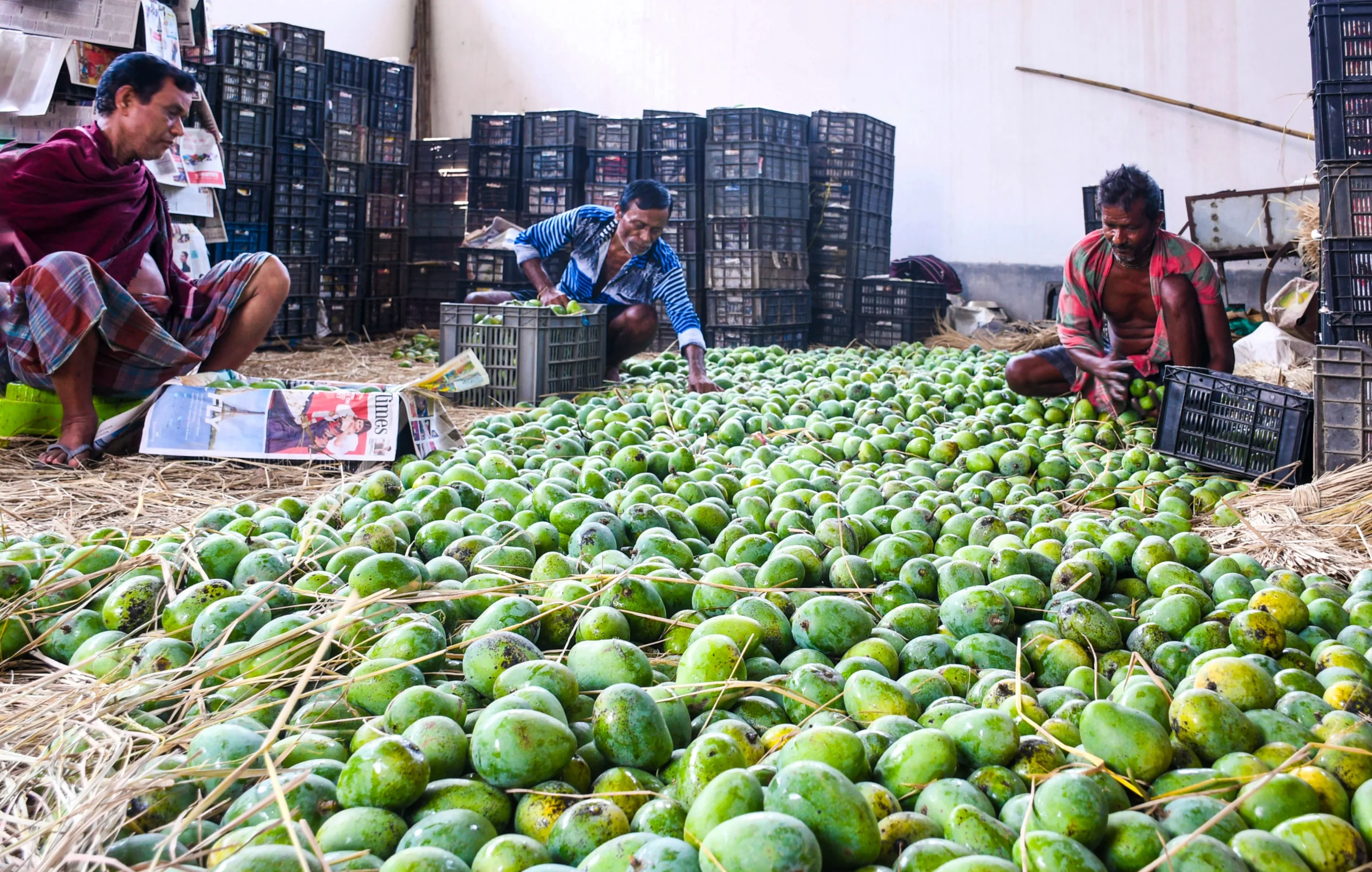
India maintains its status as the primary global producer of mangoes, cultivating hundreds of distinct variations across diverse internal territories. However, stringent international phytosanitary frameworks and specialized pre-shipment quarantine protocols restrict the net volume cleared for global transit. Elite offerings like the Alphonso, Kesar, and Banganapalli retain significant institutional demand among diaspora groups and expanding segments of mainstream American shoppers.
Bilateral trade data shows that export volumes entering the United States have scaled up incrementally via targeted coordination by APEDA and certified domestic irradiation infrastructure. Targeted promotional operations like the annual gathering in Washington are strategically designed to elevate market penetration, optimize agricultural commerce, and solidify interpersonal ties between both nations.
Future Outlook
As bilateral agricultural mechanisms become increasingly streamlined, commerce experts anticipate a structural shift in how premium perishables are transported into North America. The implementation of enhanced irradiation centers and optimized cold-chain logistics is expected to mitigate existing transit bottlenecks. Analysts predict that if regulatory approvals accelerate, the presence of specialized South Asian produce in mainstream supermarkets could rise by over 35% within the next three fiscal years, transforming a niche seasonal luxury into a stable commercial commodity.
FAQs
Why are Indian mangoes difficult to find in standard US supermarkets?
The limited availability stems from strict international phytosanitary regulations and mandatory pre-shipment treatments, such as specialized irradiation. Because these import protocols require highly specific infrastructure, inbound volumes remain low, causing available batches to sell out rapidly within specialized markets before reaching mainstream supermarket shelves.
Which specific mango varieties were showcased at the Washington festival?
The annual exhibition featured an array of India’s top horticultural selections, including the highly popular Alphonso, Kesar, Dasheri, Langra, Banganapalli, Chausa, Malda, and Rajapuri varieties.
How do exporters plan to improve availability and pricing for US consumers next year?
Agricultural exporters plan to expand the number of imported varieties from the current baseline of four or five to a broader selection of 15 to 20 distinct cultivars. This planned scaling of supply chains is expected to lower overall logistics costs and provide consumers with more affordable pricing in the upcoming year.