India Marks 10 Years of GST System
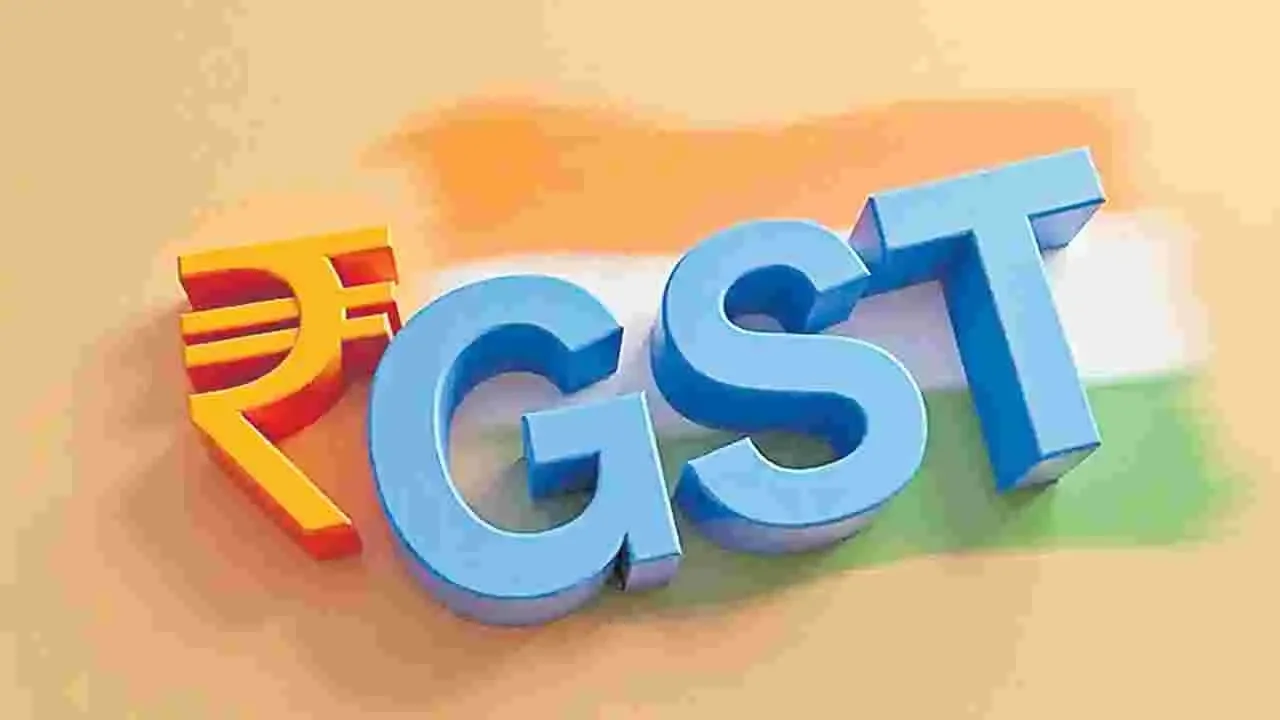
India enters the tenth year of its unified indirect tax regime, marking a decade of major structural shifts. Since its historic launch on July 1, 2017, the Goods and Services Tax has transitioned from an initial rollout phase into an advanced technological ecosystem.
Key Highlights
- Taxpayer registrations surged from 6.65 million to approximately 16 million by 2026.
- The original four-tier tax structure consolidated into a streamlined two-slab system in September 2025.
- Annual gross revenue collection climbed to Rs 22.27 trillion during the 2025-26 fiscal year.
- Advanced data-sharing frameworks now link GST, income tax, and customs databases to curb evasion.
GST Ten Years
New Delhi: Our nation’s Goods and Services Tax (GST) has successfully finished nine years of operation and is now entering its tenth year. Standing as one of the most critical economic reforms in the country, the unified tax structure officially came into effect on July 1, 2017.
Currently, the administration is shifting its attention from basic execution toward maximizing operational efficiency. Authorities are deploying artificial intelligence (AI), comprehensive data-sharing networks, and simplified procedures to minimize corporate compliance expenses, accelerate tax refunds, and execute stringent anti-evasion measures.
The government is heavily leveraging technological tools to simplify statutory compliance specifically for micro, small, and medium enterprises (MSMEs).
Furthermore, targeted initiatives are underway to upgrade risk assessment frameworks, eliminate tax fraudulent activities, and minimize human intervention. As part of this strategy, official networks are actively integrating GST, income tax, and customs databases with one another.
The domestic implementation of GST has successfully expanded the broader tax base. Concurrently, statutory compliance metrics have shown steady improvement, leading to a substantial increase in public revenue streams.
The unified framework replaced 17 different central and state indirect taxes alongside 13 distinct cesses to establish a single indirect taxation system. This uniform tax applies equally across the country on all goods and services, aiming to build a single national market and eliminate the cascading effect of taxes.
At the inception of the unified tax regime, the total pool of registered taxpayers stood at 6.65 million. By the year 2026, this baseline figure expanded dramatically to reach nearly 16 million registrants.
Initially, authorities introduced the tax regime with four primary slab rates, which were set at 5%, 12%, 18%, and 28%. As total collections stabilized and registered taxpayer volumes grew, policymakers decided to rationalize the rate architecture.
Consequently, a restructured two-slab taxation system came into effect on September 22, 2025. Under this framework, essential commodities attract a 5% levy, while standard goods and services face an 18% rate, alongside a distinct 40% luxury and sin tax slab.
The reduction in overall tax rates successfully lowered the prices of numerous commodities. This lighter taxation burden has subsequently given citizens a better opportunity to increase their personal savings.
During the initial 2017-18 launch year, average monthly collections hovered at Rs 89,700 crore. In the 2024-25 financial year, average monthly receipts grew significantly to Rs 1.84 lakh crore, moving up further to Rs 1.85 lakh crore in 2025-26.
Meanwhile, gross GST revenue for the 2025-26 fiscal year recorded an 8.3% year-on-year increase to reach Rs 22.27 lakh crore. This followed a 9.4% growth rate in the 2024-25 financial period, which yielded Rs 22.08 lakh crore.
Future Outlook
The fiscal administration is positioning the unified tax framework for its next phase of digital evolution. By deepening the integration of automated risk engines and cross-matching transactional data across multiple government departments, the system aims to eliminate leakage while providing seamless processing for legitimate businesses.
FAQs
When did the Goods and Services Tax come into effect in India?
The unified tax system was officially launched across the country on July 1, 2017, replacing multiple central and state indirect levies.
How much has the taxpayer base grown since inception?
The total number of registered tax entities expanded from an initial 6.65 million at launch to roughly 16 million taxpayers by 2026.
What are the current tax slabs under the rationalized system?
Following reforms introduced on September 22, 2025, the system primarily operates on a two-slab model of 5% for essential items and 18% for standard goods, with a special 40% rate for luxury products.
What was the total gross GST collection for the 2025-26 fiscal year?
Gross annual revenue grew by 8.3% year-on-year to hit a record Rs 22.27 lakh crore during the 2025-26 financial period.