PETA India Donates Robotic Elephant to Telangana Zoo
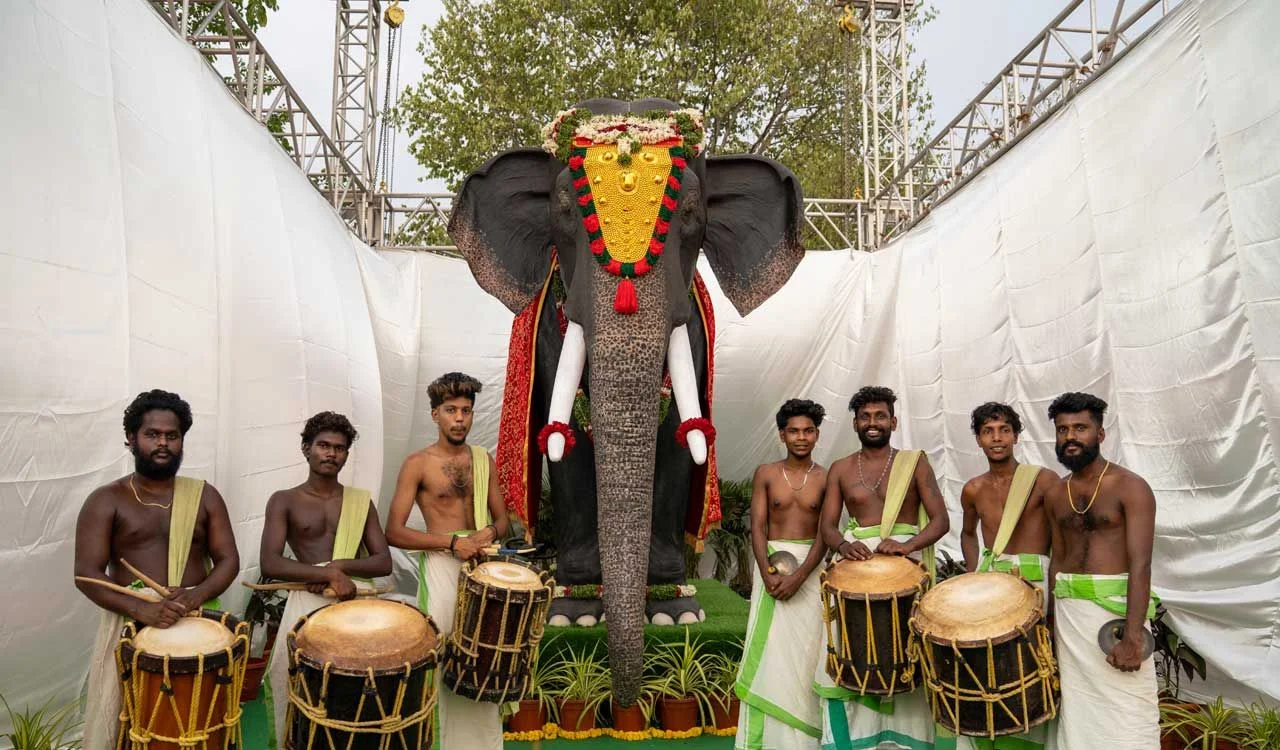
People for the Ethical Treatment of Animals India has contributed a mechanical elephant to Telangana to improve public protection and animal welfare. Located at Nehru Zoological Park, the realistic substitute will replace live animals in parades, religious ceremonies, and cinematic productions to decrease dependence on captive wildlife.
Key Highlights
- PETA India supplied a highly realistic robotic elephant to Telangana to replace live animals in public events.
- Chief Minister A Revanth Reddy officially received and inaugurated the mechanical creature at Ibrahimpatnam.
- The device will reside at Nehru Zoological Park for public, religious, and commercial utilization.
- More than 40 mechanical elephants are currently operational across Indian temples and events.
Hyderabad: In a pioneering move focused on protecting the citizens of Telangana and advancing animal rights, People for the Ethical Treatment of Animals India (PETA India) has provided a mechanical elephant designed for parades, movie productions, and traditional events where live animals have historically been deployed.
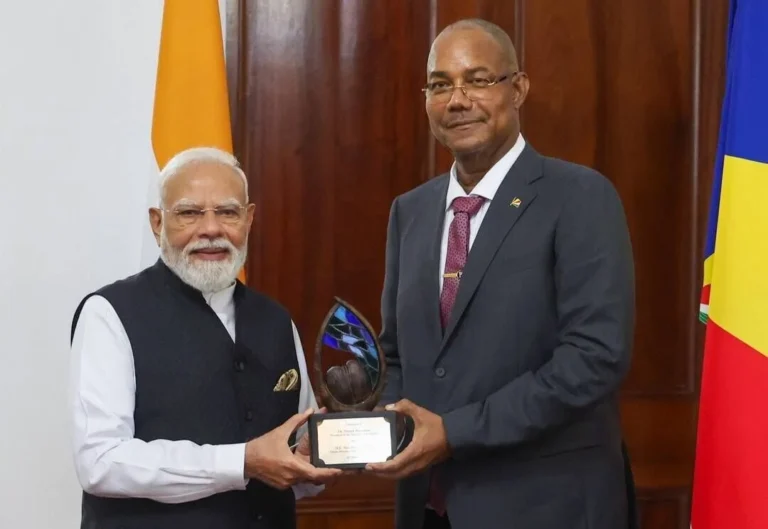
Chief Minister A Revanth Reddy officially accepted and assigned the mechanical elephant during a ceremony conducted at the Gurramguda Forest Block in Ibrahimpatnam.
The realistic mechanical creature, which will be maintained at the Nehru Zoological Park for deployment by individuals and groups coordinating with the Telangana Forest Department, can shake its head, rotate its ears and eyes, wag its tail, and raise its trunk.
Crafted by diverse local artisans, these mechanical animals can support riders and accommodate a traditional seating saddle on their backs. They function via a standard electrical connection. Constructed on a wheeled platform, they can be navigated through public roads for safe deployment in rituals and processions.
Over 40 artificial elephants are currently utilized in Hindu and Jain temples nationwide. PETA India distributed 27 of these units to celebrate the decisions of religious institutions to cease owning or leasing live animals. These mechanical substitutes also appear in commercials, weddings, circuses, and political campaigns.
Captive wildlife faces continuous chaining and physical control via weapons. These creatures suffer from hunger, dehydration, and isolation, resulting in extreme frustration and dangerous behavioral outbursts, according to a PETA India statement. Data from the Heritage Animal Task Force reveals captive elephants killed 526 individuals in Kerala over 15 years.
Future Outlook
The deployment of mechanical fauna marks a growing shift toward tech-driven animal welfare solutions in India. As tech replication improves, more religious institutions and film production houses are expected to phase out live wildlife entirely. This transition aims to eliminate public safety liabilities while preserving cultural heritage through humane alternatives.
FAQs
Why did PETA India donate a robotic elephant to Telangana?
The organization provided the mechanical alternative to eliminate the use of live captive elephants in public events, thereby improving public safety and preventing the physical abuse and psychological distress associated with wild animal captivity.
What movements and features can the robotic elephant perform?
The realistic substitute can lift its trunk, wag its tail, shake its head, and move its eyes and ears. It is built on a wheeled chassis for mobility and can be ridden safely during public processions.
How many robotic elephants are currently used across India?
More than 40 mechanical elephants are active throughout the country in various temples and public functions, with PETA India directly contributing 27 of those units to supportive institutions.