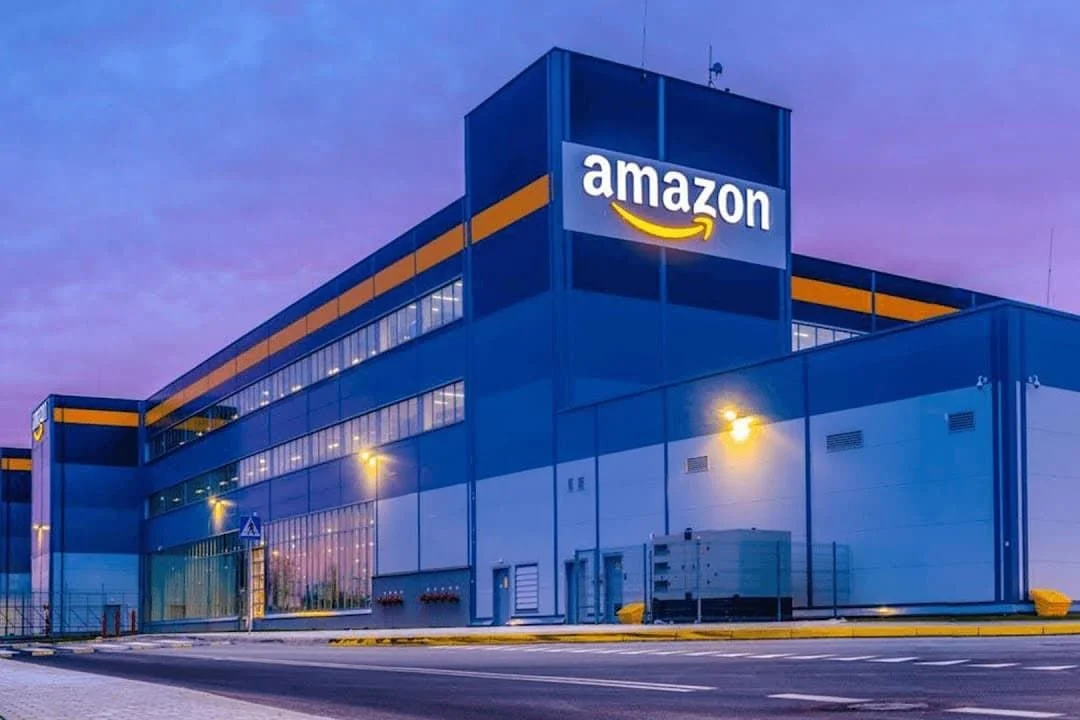
Amazon India Achieves Water Positive Status Ahead of 2027 Target
Amazon has achieved water positive status across its Indian operations ahead of its original 2027 target. The e-commerce giant now returns more water to local communities than it consumes across its corporate offices, fulfilment centres, and data centres.
Key Highlights
- Amazon successfully returned 120% of the freshwater utilized throughout its entire network of Indian operations in 2025.
- The company allocated over Rs 62 crore toward critical water stewardship initiatives across six Indian states.
- Completed replenishment projects will safely restore over 4 billion litres of water to local ecosystems annually.
- Amazon Web Services has completed 75% of its separate mandate to become globally water positive by 2030.
Amazon announced this operational milestone at a critical juncture for India. The nation supports 18% of the global population but holds a mere 4% of the world’s accessible freshwater reserves, creating immense environmental pressures.
The corporation calculates its net environmental impact by audit-verifying total volume withdrawn against total volume returned. This comparison measures freshwater drawn for direct operations against volumes restored via community conservation and regional replenishment programs.
Independent third-party audits alongside rigorous internal reviews systematically validate these ecological metrics. This double-layer verification process ensures all reported data matches actual volumetric impact on the ground.
Abhinav Singh, Vice President of Operations for Amazon India, APAC, Middle East, and Türkiye, emphasized the firm’s localized responsibility. He stated that water remains essential to their operational communities, prompting the firm to address India’s substantial supply crisis.
Singh noted that reaching this benchmark reflects sustained operational adjustments and targeted investments. These range from restoring degraded urban lakes to implementing large-scale watershed management systems across vulnerable territories.
He concluded by reinforcing Amazon’s ongoing commitment to improving regional water quality. The business intends to continue supporting public infrastructure to construct climate-resilient water networks nationwide.
Company Focuses on Reducing and Reusing Water
Amazon confirmed its Indian data infrastructure bypasses liquid-based cooling systems entirely. Consequently, facility consumption remains limited to essential human needs, including drinking supplies, kitchen usage, and basic sanitation.
Engineers integrated low-flow plumbing fixtures and automated smart meters across all building networks. These deployments maximize daily efficiency, optimize flow rates, and provide instant leak alerts to prevent unnecessary waste.
By 2025, on-site wastewater reclamation systems successfully recycled massive volumes of operational effluent. These facilities treat and redirect 298 million litres of greywater annually toward landscape irrigation and toilet flushing.
Management continues expanding internal water recycling frameworks across its massive fulfillment network. This structural push aims to scale industrial reuse capabilities for heavy cleaning and specialized cooling applications.
Integrated rooftop rainwater harvesting infrastructure captured 178 million litres of precipitation during 2025. This captured volume diverted runoff directly into dedicated subterranean structures to restore depleted aquifers.
Community Projects Across Six States
Replenishment programs target highly stressed hydrological zones closely tied to Amazon’s primary logistics nodes. These localized interventions are designed and executed alongside established regional conservation organizations.
The firm committed an investment exceeding Rs 62 crore to fund long-term conservation programs. These capital allocations support ecological projects across Maharashtra, Karnataka, Telangana, Andhra Pradesh, Tamil Nadu, and the Delhi-NCR territory.
The collective projects will return more than 4 billion litres of clean water annually upon total completion. The multi-state strategy focuses on holistic watershed management, lake restoration, groundwater recharge infrastructure, and agricultural efficiency.
A premier initiative involves an extensive Yamuna River watershed restoration deployment based in Delhi. This infrastructure network is projected to return over 400 million litres annually through engineered aquifer recharge wells.
Simultaneously, the enterprise finances dedicated pollution mitigation and water quality enhancement efforts within Chennai. These interventions target the heavily impacted Adyar River watershed to improve municipal supply health.
AWS Moves Towards Global Water Positive Goal
This resource preservation strategy directly encompasses Amazon Web Services, which maintains independent corporate mandates. In 2022, the cloud computing division pledged to achieve a net-positive water footprint globally by 2030.
Current progress charts show AWS has finalized 75% of that sustainable computing roadmap. Operational reports indicate the technology subsidiary successfully restored three litres of freshwater for every four litres consumed in 2025.
Within India, AWS partnered with global non-profit WaterAid to execute critical resource security campaigns around Hyderabad. This regional collaboration is modeled to return 640 million litres of water to local aquifers each year.
The cloud unit also joined forces with Water.org to build sustainable supply lines near Mumbai and Hyderabad. These joint projects are engineered to deliver over 500 million litres of freshwater annually to vulnerable populations.
Furthermore, AWS works closely with the socioeconomic organization SEARCH in agricultural belts surrounding its Hyderabad data hubs. This partnership focuses on deploying enhanced irrigation and conservation tools to stabilize water security for rural farmers.
More Than 50 Water Projects Announced Globally
Globally, Amazon has greenlit more than 50 distinct water replenishment installations across multiple continents. Once fully operational, this international portfolio will return over 24 billion litres of water to global communities annually.
These worldwide campaigns center on restoring natural wetlands, improving community sanitation access, eliminating supply line leakage, and mitigating severe streamflow depletion. Every initiative addresses localized scarcity while stabilizing surrounding river basins.
The enterprise confirms its long-term resource management follows core corporate pillars. These include unwavering customer obsession, technological innovation, strict operational excellence, and decoupled sustainable business growth.
Future Outlook
Looking past its early milestone in India, Amazon aims to expand its localized replenishment frameworks to match growing industrial logistics footprints. As the corporation builds larger fulfillment networks and cloud data zones through 2026 and beyond, its water accounting methodology will integrate real-time sensor monitoring across all connected watersheds. By matching infrastructure growth with immediate capital investments in community filtration and lake rejuvenation, the company intends to establish an adaptive corporate sustainability model that other multinational technology firms operating within highly water-stressed developing economies can replicate.
FAQs
What does it mean for a company to be water positive?
A company is water positive when its sustainability, conservation, and community replenishment initiatives return more freshwater to local ecosystems and municipal water basins than the total volume consumed across its direct corporate and industrial operations.
How did Amazon achieve its water positive goals early in India?
Amazon hit its targets ahead of schedule by eliminating liquid cooling in its data centres, installing smart meters and low-flow fixtures, harvesting 178 million litres of rainwater, recycling 298 million litres of wastewater, and investing over Rs 62 crore in community replenishment projects.
Which Indian states host Amazon’s water replenishment initiatives?
Amazon’s environmental investments are concentrated across six specific states experiencing high water stress, which include Maharashtra, Karnataka, Telangana, Andhra Pradesh, Tamil Nadu, and the Delhi-NCR region.
What specific projects are AWS and Amazon supporting in India?
Key projects include the Yamuna River watershed project in Delhi, water quality improvements in Chennai’s Adyar River, and community water availability programs near Hyderabad and Mumbai alongside partners like WaterAid, Water.org, and SEARCH.