WMO Report Warns of Accelerated Climate Warming in Asia
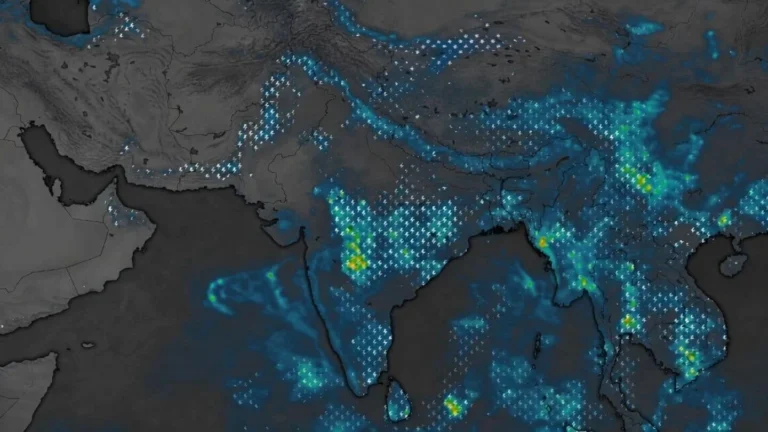
A devastating combination of extreme heat, historic rainfall, severe flooding, and prolonged droughts impacted millions of individuals across Asia during 2025. The World Meteorological Organization revealed that the continent is warming at a pace significantly exceeding the global average, while oceanic temperatures simultaneously surged to unprecedented historical peaks.
Key Highlights
- Asia is warming twice as fast as it did during the late 20th century, accelerating regional climate risks.
- All 23 monitored glaciers in high-mountain Asia shrank due to diminished winter snow and surging temperatures.
- Coastal sea levels along India are climbing at 4.9 mm/year, outpacing the global mean rate.
- Critical early warning systems are urgently required to safeguard vulnerable populations and dense infrastructure.
The persistent warming trend observed across Asia from 1991 to 2025 escalated to approximately double the rate recorded between 1961 and 1990. Depending on the specific analytical dataset utilized by researchers, 2025 ranked between the second and fourth warmest year ever recorded in history.
Glacial masses receded sharply as a direct consequence of persistent above-average temperatures coupled with deficient winter snowfall. The past year was also marred by multiple catastrophic glacial lake outburst floods and sudden glacier collapses. These compounding environmental disasters directly jeopardize human lives and vital infrastructure across the densely populated Indo-Gangetic plain.
OP Shreejith, the lead author of the study, noted that the accelerated melting of Himalayan glaciers remains a paramount anxiety for India. He emphasized that the subsequent flooding inflicts severe damage on both local communities and foundational infrastructure throughout the vulnerable northern territories.
According to the WMO State of the Climate in Asia 2025 report, oceanic heat accumulation has escalated unhindered since the 1990s and achieved a new record high. Severe marine heatwaves blanketed nearly the entirety of the Asian oceanic zone, compounding ecological threats to marine life and coastal human settlements.
The publication further highlighted that sea levels are rising faster than the global average across the northern Indian Ocean. This rise reached an alarming 4.9 mm/year specifically along the Indian coastline, prompting the WMO to call for enhanced early warning frameworks to mitigate future socio-economic losses.
Future Outlook
As greenhouse gas concentrations continue to influence global thermal patterns, the climatic trajectory for Asia points toward heightened volatility. Experts project that without aggressive carbon mitigation and substantial investments in resilient infrastructure, the compounding effects of rising sea levels, intense marine heatwaves, and structural glacier failure will severely test regional disaster management frameworks in the coming decades.
FAQs
Why is Asia warming faster than other regions?
Asia’s vast landmass and specific geographical features cause it to retain heat more rapidly than the global average. The warming trend observed on the continent between 1991 and 2025 was nearly double the rate seen in earlier decades.
How does glacier melting affect India specifically?
The retraction of all 23 monitored high-mountain glaciers triggers glacial lake outburst floods and unpredictable downstream flooding. This directly threatens the extensive infrastructure and millions of residents living within the northern Indo-Gangetic plain.
What is happening to sea levels along the Indian coast?
Sea levels along the coast of India are rising at an accelerated rate of 4.9 mm/year, which exceeds the global mean average and increases the vulnerability of coastal ecosystems and communities.
What solutions does the WMO recommend to handle these climate threats?
The World Meteorological Organization strongly emphasizes the immediate implementation and strengthening of comprehensive early warning systems to minimize casualties and reduce infrastructural damage from extreme weather events.