Indian Automakers Tap Chinese EV Tech to Accelerate Launches
Indian automobile manufacturers are rapidly licensing established electric vehicle technologies from Chinese corporations to accelerate product rollouts. This strategic shift aims to bypass lengthy development timelines and capture growing domestic market share, though it exposes automakers to risks stemming from volatile bilateral relations between New Delhi and Beijing.
Key Highlights
- Indian carmakers are licensing Chinese EV platforms to reduce development cycles by at least three years.
- Tata Motors and Sajjan Jindal’s JSW Group have established major technology agreements with Chinese automaker Chery.
- Domestic electric vehicle sales surged 72% during March and April 2026 compared to the prior year.
- Heavy reliance persists on Chinese components, which currently account for nearly 75% of India’s lithium-ion batteries.
Tata Motors recently disclosed its strategy to utilize electric vehicle architecture from China-based Chery Automobile. This move underscores a growing trend where domestic manufacturers rely on verified Chinese innovations to power their upcoming fleets. While the approach compresses launch schedules, it introduces vulnerabilities due to historically strained diplomatic ties.
The prominent domestic automaker confirmed on June 3 that its upcoming premium Avinya vehicle range will deploy an architecture co-developed by Chery and Jaguar Land Rover. This platform was originally engineered to revive the Freelander brand. The debut Avinya model is scheduled to enter the market next year, 2027.
Chery is simultaneously supporting the automotive plans of billionaire Sajjan Jindal. His conglomerate, JSW Group, secured an official license to implement the Chinese manufacturer’s proprietary systems for an upcoming automotive brand. These vehicles are slated for release around the impending local festive season, spanning October and November.
This contract expands JSW Group’s existing corporate ties to China. The conglomerate previously acquired a 35% equity stake in the Indian operations of MG Motor. That entity is entirely controlled by the Shanghai-based, state-owned automotive giant SAIC Motor.
These corporate agreements highlight an urgent need for local brands to introduce competitive vehicles. Global rivals from Europe, South Korea, and Japan are targeting India after experiencing intense competition from Chinese EV firms in other regions. India represents the world’s third-largest automotive market.
The South Asian nation has largely blocked direct entry to Chinese automotive manufacturers through stringent foreign direct investment regulations. Concurrently, domestic consumers are increasingly adopting electric options. This shift accelerates as geopolitical conflicts in the Middle East drive crude oil prices higher, inflating traditional fuel costs.
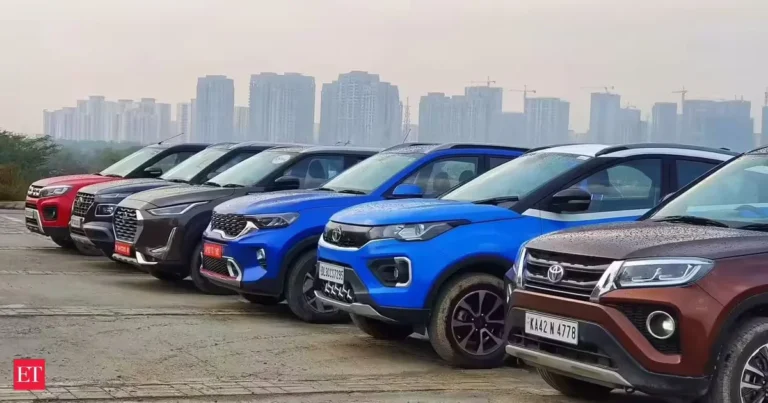
Retail data from the Federation of Automobile Dealers Associations reveals that combined electric vehicle sales in March and April reached nearly 46,000 units. This figure represents a 72% surge compared to the identical timeframe from the previous year. This rapid expansion prompts automakers to secure their market positions.
Industry experts note that the primary motivation behind these corporate alliances is operational speed. Building a proprietary electric vehicle platform from inception requires billions of dollars and extensive engineering timelines. Licensing existing platforms allows companies to advance their product launches by roughly 36 months.
This methodology significantly diminishes execution and operational hazards for domestic firms. The corporate decisions highlight a global pattern where international automotive groups leverage Chinese clean-energy expertise. China remains the largest market globally for electrified transport options.
Multiple international conglomerates have purchased equity in Chinese electric vehicle startups to gain direct access to advanced software and hardware. Germany’s Volkswagen Group holds a financial stake in Xpeng. Similarly, multinational automaker Stellantis has injected capital into Leapmotor while managing joint ventures alongside Dongfeng Motor.
Market analysts observe that while domestic manufacturers have achieved engineering maturity regarding internal combustion engines, they are still perfecting electric powertrain integration. Electric vehicles represent a major technological shift, prompting local firms to abbreviate R&D phases to remain competitive against global actors.
Nomura Research Institute identifies these licensing deals as a pragmatic evolution for the domestic industry. Analysts suggest local firms must utilize this short-term phase to build internal engineering capabilities. The long-term objective should transition from assembly to localized manufacturing and eventual technological leadership.
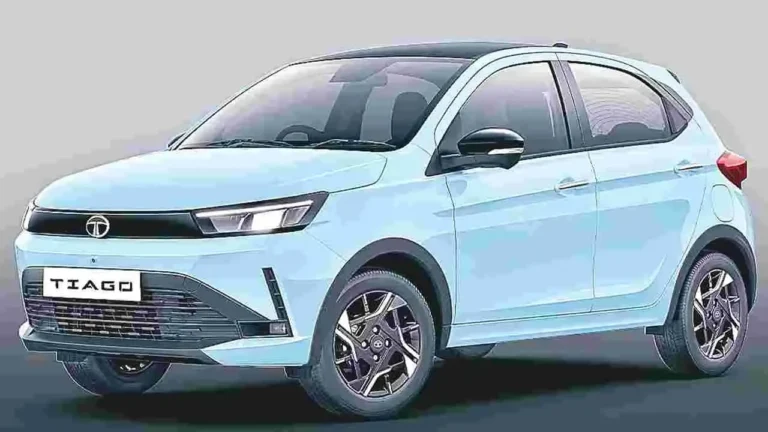
Despite these challenges, domestic progress is visible. Mahindra & Mahindra has engineered its electric platforms independently and intends to commence international vehicle exports in approximately two years. Tata Motors also commands current market share by selling electrified iterations of its internal combustion passenger models.
Furthermore, domestic industrial groups are investing in massive battery cell manufacturing facilities to limit import dependencies. Corporations like Agratas, Exide Industries, and Amara Raja Energy & Mobility are constructing local gigafactories. These projects aim to decrease the national import capital outflow.
The Institute for Energy Economics and Financial Analysis reports that approximately 75% of lithium-ion cells utilized in domestic electric vehicles originate in China. The national import expenditure for these components increased eightfold between fiscal year 2019 and fiscal year 2025, exceeding $3 billion.
Projections indicate this import bill could escalate to $23 billion by 2030 if localization stalls. However, Chinese corporations maintain a tight grip on battery IP. Amara Raja has licensed chemistry solutions from a Gotion subsidiary, while Exide Industries partnered with Chinese cell manufacturer Svolt.
Strategic experts warn that sustained reliance on Chinese entities carries geopolitical risks given historical border conflicts in the Himalayan region. New Delhi implemented severe curbs on Chinese corporate capital in 2020 following military friction, though some administrative bottlenecks were moderated in March 2026.
The overarching risk extends beyond simple supply chain logjams. Protracted dependence on external entities exposes the domestic ecosystem to vulnerabilities regarding pricing controls, intellectual property disputes, cybersecurity risks, data sovereignty, and diminished corporate bargaining power in future negotiations.
Future Outlook
The domestic automotive sector is entering a transitional phase where speed-to-market is balanced against supply chain security. While partnerships with Chinese firms offer an immediate solution to counter global rivals, the long-term viability of India’s EV transition rests on successful technology absorption. The upcoming commissioning of local battery gigafactories by 2027 will serve as a critical indicator of India’s ability to decouple its green transition from total foreign supply reliance.
FAQs
Why are Indian carmakers partnering with Chinese EV companies?
Indian automakers are licensing technology from Chinese firms to bypass long development cycles and reduce costs. This strategy accelerates vehicle launches by up to three years, allowing local brands to compete effectively as domestic demand for electric vehicles surges.
Which Indian companies have signed technology deals with Chinese automotive firms?
Tata Motors is utilizing a platform linked to Chery Automobile for its upcoming premium Avinya lineup. Additionally, JSW Group has licensed Chery’s technology for a new brand and holds a 35% stake in SAIC-owned MG Motor India.
What percentage of EV batteries in India are currently imported from China?
Nearly 75% of the lithium-ion batteries used in Indian electric vehicles are sourced from China. The national import bill for these components surpassed $3 billion in fiscal year 2025 and could rise significantly by 2030.