JSW Group Transforms MG Motor India Automotive Strategy
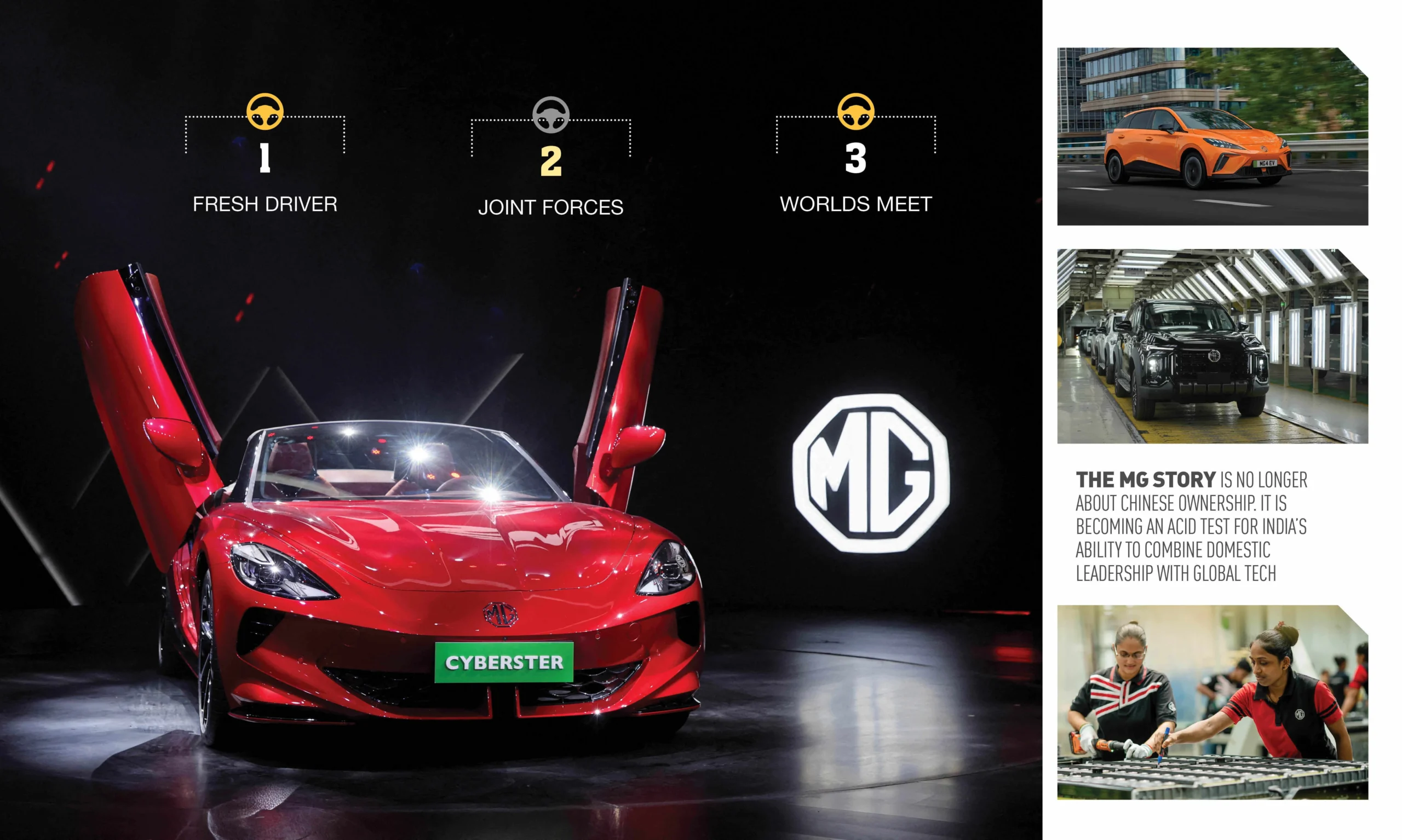
Indian consumers now focus on corporate ownership over mechanical specifications when MG Motor India vehicles stop at traffic intersections. The brand faces a unique market challenge, balancing its British heritage and Chinese ownership against rising domestic nationalism and geopolitical tensions.
Key Takeaways
- MG Motor India shifted consumer focus from vehicle horsepower to digital technology and ownership origins.
- JSW Group is acquiring a majority stake to transform MG into an Indian-led automotive enterprise.
- Geopolitical friction after 2020 intensified scrutiny of Chinese supply chains and investments in India.
- The alliance aims to synthesize global software platforms with local industrial manufacturing capabilities.
Digital Darling
MG anticipated the digital appetite of the domestic market well ahead of established automotive competitors. The brand launched the Hector in 2019 as an ‘Internet SUV,’ attracting buyers with expansive touchscreens and connected-car systems. Drivers enthusiastically embraced these initial digital features, over-the-air software updates, and voice recognition technologies.
The automaker subsequently prioritized digital-first experiences, advanced cabin environments, and comprehensive electrification. This product strategy yielded successful results, particularly within the competitive alternative-energy passenger vehicle segment.
The Windsor EV established a strong market presence by merging utilitarian value with advanced digital architecture. This product success elevated the brand from an industry challenger to a leader in modern mobility discussions. However, commercial achievements simultaneously highlighted persistent questions regarding corporate ownership structures and foreign geopolitical ties.
Chinese Lineage
The manufacturer operated under complex domestic conditions because product appeal clashed with its corporate parentage. Affiliation with SAIC Motor frequently overshadowed engineering achievements, product design, and customer satisfaction metrics. Government scrutiny of Chinese corporate investments intensified significantly following military border skirmishes in 2020.
This scrutiny revealed structural ironies within the global automotive supply chain ecosystem. Essential components powering modern electric vehicles, including battery chemistry and platform architectures, remain tied to Chinese manufacturing capabilities. Domestic legacy automakers secretly rely on these international supplier networks to achieve vehicle localization goals.
The domestic automotive market continues to navigate this complex industrial and political environment. Future vehicular development demands international technology access, even as regulatory bodies respect national security sentiments. The brand came to symbolize this deep operational contradiction for an extended period.
New Indian Driver
Corporate governance adjustments in the executive boardroom are now reshaping the operational direction of the automaker. The primary obstacle for the brand historically centered on public perception rather than showroom transaction volumes. This ownership narrative is shifting as JSW Group increases its equity stake to become the largest corporate shareholder.
This corporate restructuring alters the position of the brand within the domestic market.
JSW Group brings extensive industrial experience from steel, energy, infrastructure, cement, paints, and educational sectors. The conglomerate possesses deep expertise in large-scale manufacturing operations, capital allocation strategies, and long-term industrial development. The new corporate strategy emphasizes deep domestic localization, market expansion, and sustained consumer relevance.
The transition arrives as the automotive industry shifts toward software, battery chemistry, connectivity, and artificial intelligence. Modern market success requires a calculated balance between advanced global technologies and precise domestic operational execution.
JSW’s Call to Action
The industrial group is designing a comprehensive automotive network that extends far beyond the existing brand asset. Corporate expansion blueprints include new sport utility vehicles and premium vehicle lines designed to utilize advanced foreign platforms. These future product programs will leverage strategic international partnerships to access established global software systems.
Critics might view the integration of foreign platforms by a domestic conglomerate as a strategic contradiction. However, global automotive operations historically depend on cross-border collaboration and diversified international supply chains. Successful manufacturers absorb external innovation effectively rather than isolating operations from global technological advancements.
Establishing operational synergy across manufacturing facilities, supply networks, and vehicle engineering pipelines could create a significant industry precedent. The corporate alliance may define how domestic industrial groups manage global mobility technologies moving forward.
That New Template
Consumer willingness to purchase vehicles with international corporate connections is no longer the primary market question. The critical inquiry centers on whether domestic capital and management can successfully capture and modify foreign innovation. This operational synthesis represents the true structural importance of the recent corporate intervention.
The industrial group chooses to utilize, adapt, and deploy global technology assets for domestic consumers. Such industrial pragmatism provides superior commercial value compared to isolationist ideologies during an era defined by electrification.
The corporate transition offers a broader economic lesson regarding industrial competitiveness and international trade. Manufacturing sectors grow resilient by developing internal capabilities to refine, modify, and improve global technological innovations. Ultimate market success depends on consumer trust rather than promotional brochures, as domestic hands take the steering wheel.
Future Outlook
The joint venture between JSW Group and SAIC Motor introduces a new operational blueprint for the domestic automotive sector. Industry analysts project accelerated production schedules and expanded manufacturing facilities in Gujarat to meet rising alternative-energy vehicle demand. The integration of domestic capital will likely ease regulatory approvals for future product lines, allowing faster deployment of connected vehicle platforms. Over the next five years, the partnership aims to capture a dominant share of the premium electric passenger vehicle market by balancing global supply efficiencies with localized manufacturing costs.
FAQs
Why is JSW Group purchasing a stake in MG Motor India?
The acquisition allows JSW Group to enter the automotive ecosystem while transitioning the car brand into an Indian-led enterprise. This structural shift helps alleviate regulatory scrutiny and consumer concerns regarding the previous sole Chinese ownership model.
When did MG Motor India first enter the domestic market?
The automaker officially launched its commercial operations in India in 2019 with the introduction of the Hector SUV. The vehicle was marketed heavily on its connected-car capabilities and digital cabin features.
How does the Windsor EV fit into the strategy of the brand?
The vehicle serves as a core product that balances digital technology, utilitarian value, and competitive pricing. It has helped solidify the position of the manufacturer as a serious competitor in the electric vehicle transition.
Will future vehicles still use international technology?
Yes, the corporate strategy relies on utilizing advanced global platforms and software through strategic partnerships. The goal is to absorb global innovation and localize production to match domestic market demands.