Honda Prepares Major Indian SUV Offensive With Four New Models
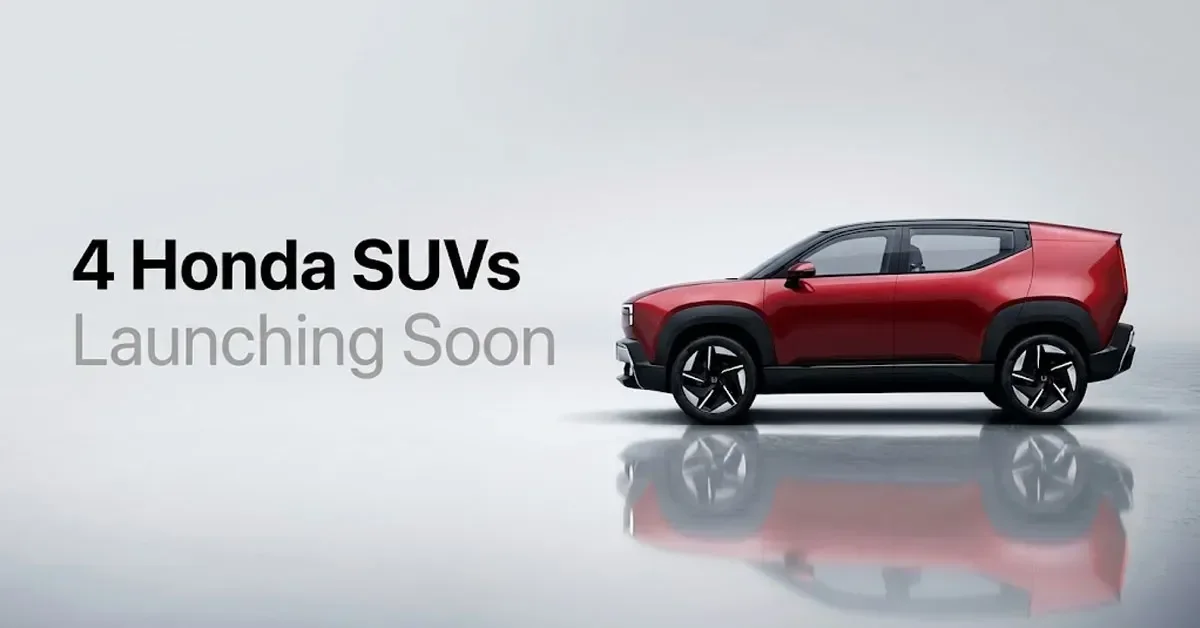
Sport utility vehicles are set to serve as the cornerstone for Honda’s comprehensive strategy to rebuild its market presence within India. The Japanese automaker plans to introduce a minimum of four fresh models into the domestic market over the upcoming months. This product wave will target both traditional internal combustion engine segments and rapidly growing electric vehicle categories, providing a multi-pronged approach to consumer demand.
Key Highlights
- Honda will introduce four new sport utility vehicles in India across multiple powertrain segments.
- The premium ZR-V hybrid will arrive as a fully imported model by July 2026.
- A refreshed Elevate mid-size sport utility vehicle will debut later this year with enhanced features.
- The legendary CR-V nameplate returns by 2027, alongside the Zero Alpha all-electric vehicle.
The carmaker showcased the premium ZR-V model within India during May of this current year. Official pricing strategies for this premium offering are scheduled for public release in July, with customer vehicle deliveries set to commence immediately afterward. Honda intends to position the ZR-V as its premier flagship utility vehicle, utilizing Completely Built Unit imports to bring the machine directly from overseas manufacturing facilities.
This upcoming sport utility vehicle features a sharp, highly athletic exterior aesthetic designed to command attention on domestic roads. The exterior layout incorporates advanced light-emitting diode headlamps, a highly contoured hood, streamlined rear lighting clusters, robustly styled front and rear bumpers, and a striking gloss-black front grille assembly. Inside the vehicle, occupants will find a highly organized, minimalist dashboard configuration utilizing high-grade premium materials alongside a comprehensive suite of modern comfort features.
Mechanical power for the premium ZR-V comes from an advanced 2.0-liter, four-cylinder strong hybrid gasoline engine assembly. This internal combustion engine operates in tandem with dual electric motors and a dedicated onboard battery pack setup. The integrated powertrain generates a total system output of approximately 181 horsepower and 315 Newton-meters of torque, enabling the vehicle to accelerate from zero to 100 kilometers per hour in precisely 8 seconds before reaching a maximum velocity of 172 kilometers per hour. The manufacturer also claims an impressive fuel economy rating of 22.79 kilometers per liter, positioning it as a direct competitor to mid-size premium alternatives like the Skoda Kodiaq and the Volkswagen Tiguan R-Line.
In addition to the flagship import, the Japanese manufacturer plans to roll out an updated iteration of the Elevate mid-size sport utility vehicle. This specific model originally entered the highly competitive domestic marketplace back in 2023. The mid-cycle refresh, which is slated to debut later in the current calendar year, will introduce notable aesthetic refinements alongside a substantially expanded equipment list to attract tech-savvy buyers.
Exterior visual modifications for the mid-size vehicle will remain relatively subtle rather than radical. The refreshed Elevate will sport restyled front and rear bumper assemblies, modified headlamp units, updated rear tail lamps, and a subtly redesigned front grille structure. Interior cabin upgrades will focus heavily on premium equipment additions, including the integration of ventilated front seating, a comprehensive 360-degree camera system, and a fully digital instrument display panel. The updated model retains its proven 1.5-liter, four-cylinder, naturally aspirated i-VTEC gasoline engine, which delivers 121 horsepower and 145 Newton-meters of torque.
The automaker additionally intends to resurrect the CR-V badge, which represents one of its most recognizable global automotive nameplates, for Indian consumers. Industry intelligence indicates that the next-generation iteration of the CR-V Hybrid is on track to officially arrive in domestic showrooms by 2027.
The preceding iteration of the CR-V sold within the domestic market belonged to the fifth-generation global family. That historical model gave buyers a choice between two distinct propulsion systems, consisting of a 2.0-liter gasoline engine and a 1.6-liter turbocharged diesel motor. The diesel variant could also be optioned with an advanced all-wheel-drive configuration before the entire model line left local showrooms in 2020.
Next year, the company will introduce the most recent global generation of this popular utility vehicle to Indian buyers. The upcoming iteration relies on a modernized 2.0-liter gasoline hybrid propulsion unit. This complex powertrain links the gasoline engine with a pair of electric motors and an advanced high-voltage battery system, with the vehicle expected to utilize an electronic all-wheel-drive configuration.
The next-generation CR-V boasts a highly advanced, technology-centric interior cabin environment designed for premium comfort. The dashboard will house an expansive 15-inch central infotainment touchscreen interface, alongside advanced driver assistance systems and integrated connected vehicle technologies. The physical cabin dimensions have grown larger than past iterations, using highly sophisticated interior upholstery materials and revised color schemes, with estimated showroom pricing expected to fall between Rs 45 lakh and Rs 55 lakh.
To round out its comprehensive utility vehicle strategy, the manufacturer will also debut its very first completely electric sport utility vehicle in the country. Known under the developmental moniker Zero Alpha, the upcoming model utilizes a completely fresh, dedicated electric vehicle platform architecture. Consumers will have access to two distinct lithium-ion battery capacities, specifically a 65 kilowatt-hour pack and a larger 75 kilowatt-hour option, delivering estimated driving ranges of 450 kilometers and 500 kilometers respectively while rolling on aerodynamically optimized 19-inch alloy wheels.
The interior layout of the electric model features an entirely flat cabin floor to maximize passenger legroom, paired with a distinct, hexagonally shaped steering wheel assembly. Initial showroom pricing for the new electric vehicle is projected to range between Rs 17 lakh and Rs 25 lakh. This entry will place the vehicle in direct market competition against rivals like the Maruti eVitara, the Mahindra BE6, and the upcoming Hyundai Creta Electric.
Future Outlook
The strategic rollout of these four distinct utility vehicles highlights Honda’s long-term commitment to recapturing its position in the competitive Indian automotive sector. By offering a diverse mix of traditional engines, strong hybrids, and full battery-electric options like the Zero Alpha, the company aims to address various consumer preferences and shifting regulatory demands. Over the next few years leading up to 2027, this multi-layered approach will test the brand’s ability to compete effectively against both established domestic automakers and aggressive global rivals in the rapidly expanding utility vehicle segment.
FAQs
When will the Honda ZR-V be launched in India?
The Honda ZR-V is expected to have its official price announcement in July 2026, with customer deliveries commencing shortly thereafter.
What are the expected battery specifications for the Honda Zero Alpha EV?
The Honda Zero Alpha electric vehicle is anticipated to offer two distinct battery pack capacities: a 65 kWh option providing up to 450 km of range, and a 75 kWh option offering a range of up to 500 km.
How much will the new-generation Honda CR-V cost in India?
The upcoming next-generation Honda CR-V is projected to be priced within the range of Rs 45 lakh to Rs 55 lakh, ex-showroom.