BRS Slams Telangana Government Over Farm Crop Procurement Caps
The Bharat Rashtra Samithi (BRS) has launched a severe attack against the Telangana administration, asserting that officials have abandoned local agriculturists. The opposition highlights a recent decision to restrict state crop purchases strictly to the volumes specified under federal government guidelines, sparking widespread political friction.
Key Highlights
- BRS working president KT Rama Rao urged farmers to directly confront Congress politicians over unfulfilled promises.
- The opposition claims the state reversed its pledge to purchase every single grain of cultivated yield.
- A compensation package of 300,000 rupees was delivered to the family of a farmer who died by suicide.
- BRS demanded an additional 2.5 million rupees in state ex gratia and employment for the deceased’s children.
Adilabad: The Bharat Rashtra Samithi (BRS) has publicly condemned the ruling Congress administration, alleging a deep betrayal of regional cultivators after state procurement for paddy, jowar, and alternative yields was capped strictly at federal quota limits.
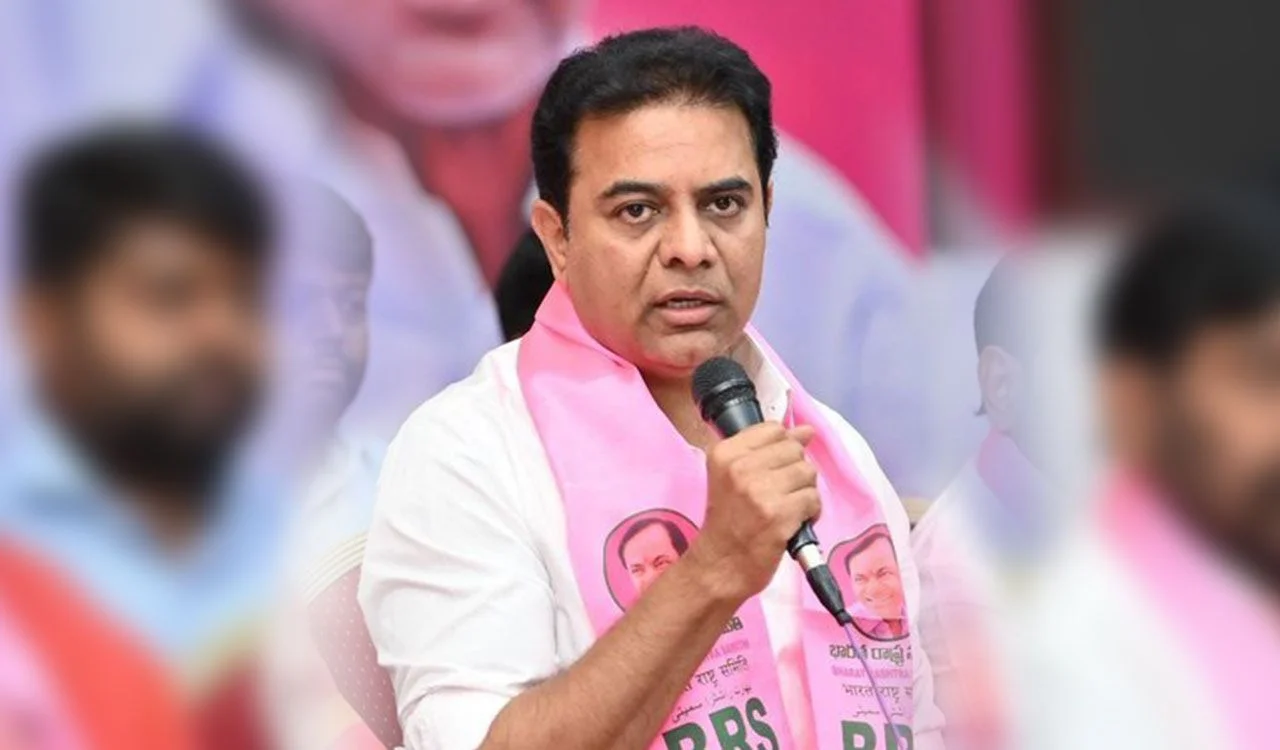
KT Rama Rao stated that cultivators must not beg administrative authorities if procurement centers refuse their yields. He insisted that citizens should aggressively confront Congress officials regarding committed bonuses, functional purchase stations, and state-guaranteed minimum support rates, suggesting they hold leaders accountable by their collars.
The working president warned that his party plans to escalate demonstrations throughout Telangana until the executive branch rescinds this policy and resumes full purchasing operations for all regional agricultural output.
The prominent opposition figure asserted that the current leadership effectively deserted the agricultural community by tying local purchasing limits to quotas established by the central authorities, directly violating previous executive assurances.
Rama Rao noted that Chief Minister Revanth Reddy had recently guaranteed the complete procurement of all local grain, making the sudden shift to federally mandated limits a direct deception of the farming population.
Restricting state intake for crops like paddy, sorghum, pulses, and soybeans would leave independent producers vulnerable to predatory commercial merchants, forcing them to liquidate inventory at highly disadvantageous market rates.
He questioned the logic of the policy, noting that if a cultivator produces 40 quintals of paddy but federal limits only cover 10 quintals, the individual is left with no viable options for the remainder of their hard-earned harvest.
The political leader further argued that the administration failed to deliver its promised 500 rupee structural bonus, neglected the setup of local distribution hubs, and systematically dismantled successful agrarian welfare frameworks established by the prior BRS cabinet.
Earlier that day, the BRS representative traveled to Ponn village within the Sirikonda mandal of Adilabad district to meet with the relatives of Pandurang, a local cultivator who reportedly ended his life following procurement rejections for his sorghum yields.
The visiting politician presented a financial aid sum of 300,000 rupees directly from party funds to assist the grieving relatives during the crisis.
He requested that the state government immediately clear an official ex gratia payment of 2.5 million rupees for the household, alongside providing secured public sector employment for the individual’s surviving children.
He additionally implored the broader agricultural community to maintain hope and avoid taking desperate measures during these systemic market difficulties.
Rama Rao closed his address by promising that the opposition forces will maintain active solidarity with local producers and fight hostile state policies until comprehensive procurement is restored across the territory.
Historical Context
The tension over crop procurement reflects a long-standing systemic friction between state and central operations in India. Under the previous BRS-led government, Telangana frequently maximized state-level buying structures to absorb surplus grain, often clashing with central agencies over buffer stock limits. The transition to a Congress-led ministry in late 2023 brought promises of expanded welfare, but budget realities and alignment with federal distribution pools have forced difficult policy constraints, triggering immediate resistance from the newly displaced opposition.
FAQs
Why is the BRS protesting against the Telangana government?
The BRS is protesting because the Telangana Congress government decided to limit local agricultural procurement to the exact quotas permitted by the central government, which the opposition calls a betrayal of farmers.
What specific demands did KT Rama Rao make for the deceased farmer’s family?
He demanded that the state government provide 2.5 million rupees in financial compensation and secure official government employment opportunities for the children of the deceased farmer.
Which crops are affected by the new procurement limits in Telangana?
The restriction impacts several major regional crops, including paddy, sorghum, jowar, pulses, and soybeans.
What financial assistance did the BRS provide directly to the family in Adilabad?
The BRS working president handed over 300,000 rupees in direct financial assistance to the family on behalf of the political party.